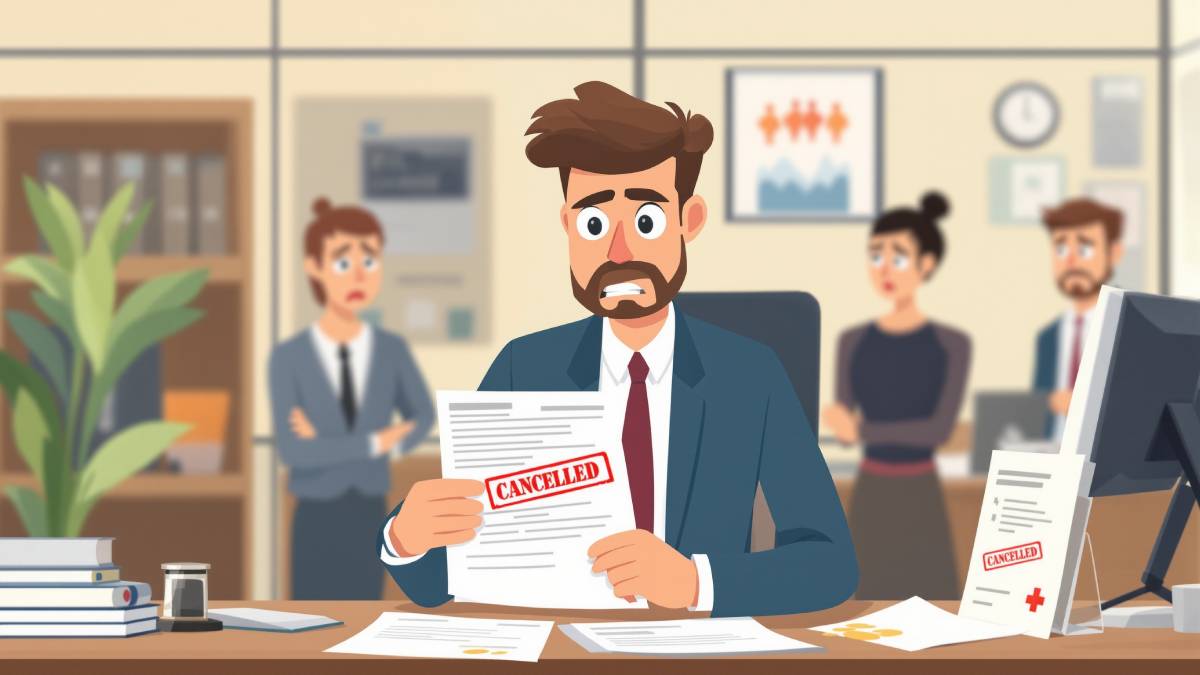
The employer’s failure to pay group health insurance contributions constitutes a serious breach of legal obligations regarding supplementary social protection. Since the implementation of the National Interprofessional Agreement (ANI), every company is required to take out group health insurance for its employees and ensure the regular payment of contributions. Beyond the question of the cost of company health insurance, meeting payment deadlines becomes crucial. What happens in case of default? What are the employees’ rights and the penalties incurred? The employer’s legal obligations regarding group health insuranceSince January 2016, the French Labor Code has required all private-sector employers to implement group supplementary health insurance coverage. This legal obligation entails several responsibilities:
Mandatory enrollment and membership
Take out a group health insurance contract with an insurer or provident institution
Automatically enroll all employees in the contract
- Finance at least 50% of the premiums
- Ensure the regular payment of premiums by the due date
- Mandatory minimum coverage
- The contract must comply with the minimum coverage defined by the National Interprofessional Agreement (ANI), including coverage for routine care, hospitalization, dental care, and vision care, up to specified thresholds.
Consequences of non-payment of premiums for the employer
Failure to pay premiums exposes the employer to serious legal and financial consequences. Administrative and criminal penalties
Employers who fail to comply with their obligation to provide group health insurance are subject to:
An administrative fine of up to €1,500 per employee concerned
Criminal penalties in case of repeat offenses
- Increased monitoring by the labor inspectorate
- Legal action before the labor court by employees
- Civil liability and litigation
- In the event of non-payment, the employer incurs civil liability and may be subject to legal action. Employees can take their case to the labor court to obtain:
Reimbursement of uncovered medical expenses
Damage for damages suffered
- A formal notice to comply with legal obligations
- Impact on employee health coverage
- When the employer stops paying premiums, several situations may arise depending on the terms of the insurance contract.
Immediate suspension of coverage
Most contracts provide for automatic suspension of coverage in the event of non-payment by the due date. This suspension may occur:
After a grace period of 10 to 30 days, depending on the insurer
With immediate effect for new treatments
- By temporarily maintaining ongoing hospital care
- Termination of the contract by the insurer
- Beyond a certain period (generally 3 months), the insurer may terminate the group contract. This termination results in:
The definitive cessation of all coverage
The loss of group contract benefits
- The employer’s obligation to quickly find an alternative solution
- Employee Rights and Recourse
- Faced with non-payment of contributions by the employer, employees have several avenues of action to assert their rights.
Amicable Resolution
The first step is to notify the employer in writing of the situation and request that the outstanding payments be settled promptly. This approach often resolves the issue without litigation.
Referral to the Labor Inspectorate
Employee representatives or employees can report the situation to the labor inspectorate, which has the power to monitor and impose sanctions.
Legal Action
As a last resort, employees can file a claim with the labor court to:
Comply with the employer’s obligations
Obtain compensation for damages suffered
- Requesting Coverage of Medical Expenses
- Solutions for Employers in Difficulty
- Several options are available to companies facing difficulties paying their health insurance premiums.
Negotiation with the Insurer
In case of temporary difficulties, it is possible to negotiate with the insurance company:
A payment plan
- A deferral of the due date
- A repayment plan adapted to the financial situation
- Changing Insurers
If the situation persists, the employer can consider changing insurers to find rates better suited to their financial capacity, while respecting the notice period for cancellation. This transition can also be an opportunity to offer senior employees approaching retirement information on
how to change their health insurance after age 70 , thus anticipating their future needs.Legal Support
The company can seek legal counsel to negotiate with creditors and avoid the most severe penalties. Procedures in case of termination by the mutual insurance company
When the insurer terminates the contract for non-payment, the employer must act quickly to avoid a lapse in coverage.
Notice period
The insurer must respect a notice period before the effective termination, generally 30 days. This period allows the employer to:
Settle outstanding payments to avoid termination
Find a new insurer
- Inform employees of the situation
- Continuity of coverage
- To ensure continuity of social protection for employees, the employer must:
Immediately take out a new contract
Ensure there is no interruption of coverage
- Maintain the same minimum guarantees
- Prevention and best practices
- To avoid situations of non-payment, several preventative measures can be implemented.
Rigorous management of deadlines
Setting up automatic alerts before deadlines
Provisioning of necessary funds
- Regular monitoring of accounts with the insurer
- Communication with employees
- Transparent information on the company’s financial situation
Consultation with employee representatives
- Seeking collective solutions in case of difficulties
- Frequently asked questions about non-payment of contributions
- What happens if the employer stops paying health insurance contributions?
The insurer can immediately suspend coverage after the grace period and then terminate the contract. The employer is subject to administrative penalties and legal action from employees.
Can employees continue to benefit from their health insurance?
In the event of suspension or termination, employees temporarily lose their coverage. However, they can activate their portability rights or take out individual health insurance while awaiting regularization. In certain situations,
the Evin Law allows employees to retain their company health insurance
even after leaving the company or after termination of the contract by the employer. What are the penalties for a defaulting employer?
The employer risks an administrative fine of up to €1,500 per employee, criminal penalties in case of repeat offenses, and claims for damages before the labor court.
How can the contract be terminated?
It is essential to act quickly by negotiating a payment plan with the insurer, settling outstanding payments on time, or changing insurers if necessary.
Conclusion: anticipate to avoid risks
Failure by the employer to pay health insurance contributions exposes the company to serious legal and financial consequences, while depriving employees of their supplementary social protection. Prevention remains the best strategy: rigorous management of deadlines, transparent communication with employees, and proactively seeking solutions in case of difficulties help avoid these critical situations.
If a problem does arise, it is essential to act quickly to limit the damage: negotiate with the insurer, explore alternatives, and seek legal support. Employee social protection should never be taken lightly, as it constitutes a fundamental right and an unavoidable legal obligation for every employer.