Keloid: Understanding the Causes of an Abnormal Scar
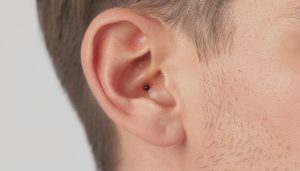
The keloid is a particular form of scar characterized by a hypertrophy of scar tissue due to an excessive production of collagen. This fibrosis results from an exaggerated inflammatory reaction during the healing of a skin lesion. Extending beyond the limits of the initial wound, it appears as a firm mass, often painful and sometimes itchy (pruritus).
There is an uncontrolled proliferation of fibroblasts, the cells responsible for collagen synthesis, which explains the thick and raised appearance of these scars. While the exact cause remains partially unknown, a genetic predisposition is frequently identified, especially in people with darker skin.

Triggering Factors and the Mechanics of Formation
The formation of a keloid can be triggered by various skin traumas, which go far beyond visible injuries:
- Light or deep burns
- Insect bites
- Severe acne or infected pimples
- Surgical interventions or injections
- Piercings and tattoos
- Repeated abrasions
Signs of local inflammation, such as redness and a feeling of heat, often promote the proliferation of fibrous tissue. Sometimes, simple mechanical tension on the scar can exacerbate fibrosis growth.
Recognizing the Signs and Symptoms of Keloid Scars
Keloids usually take several months to fully develop but can persist and evolve over years. Here are the characteristic signs to watch for:
- Thick and raised scar that extends beyond the original wound’s edges
- Shiny, smooth, or slightly bumpy surface
- Firm texture, sometimes rubbery to the touch
- Color variations, from bright pink to purple or even brown depending on skin type
- Pruritus (itching) that can be very bothersome
- Pain or a pulling sensation, especially during movements or friction
These symptoms can impair quality of life, particularly when the affected area is visible, such as on the face or earlobes.

When to See a Specialist?
A medical opinion is essential as soon as an abnormal scar swells or appears to spread. Early management can limit the progression of the keloid. It is also recommended to consult a dermatologist if itching and pain become intense or if functional discomfort occurs.
For old scars, don’t give in to discouragement: innovative treatments exist and can reduce both the appearance and symptoms. Discover, for example, how facial dermabrasion can help improve the skin texture around a scar.
Differentiating Keloid and Hypertrophic Scar
Although similar, these two scars have important differences:
- Keloid: extends beyond the wound borders, persistent and difficult to treat
- Hypertrophic scar: remains within the injury perimeter, often fades over time
- Keloids are often associated with more inflammation, itching, and pain
Understanding this distinction is key to avoiding inappropriate treatments. The overproduction of collagen in keloids is a true healing dysfunction phenomenon, which can benefit from targeted approaches.
To soothe a naturally swelling scar, there are several gentle methods. Feel free to consult our advice to soothe scars naturally as a complement to medical care.
Risk Factors Increasing Keloid Formation
Certain elements increase the likelihood of occurrence:
- Dark skin: people with brown or black skin are more exposed
- Family history: a significant genetic predisposition often observed
- Age: more frequent before age 30
- Areas of high skin tension or subjected to frequent friction