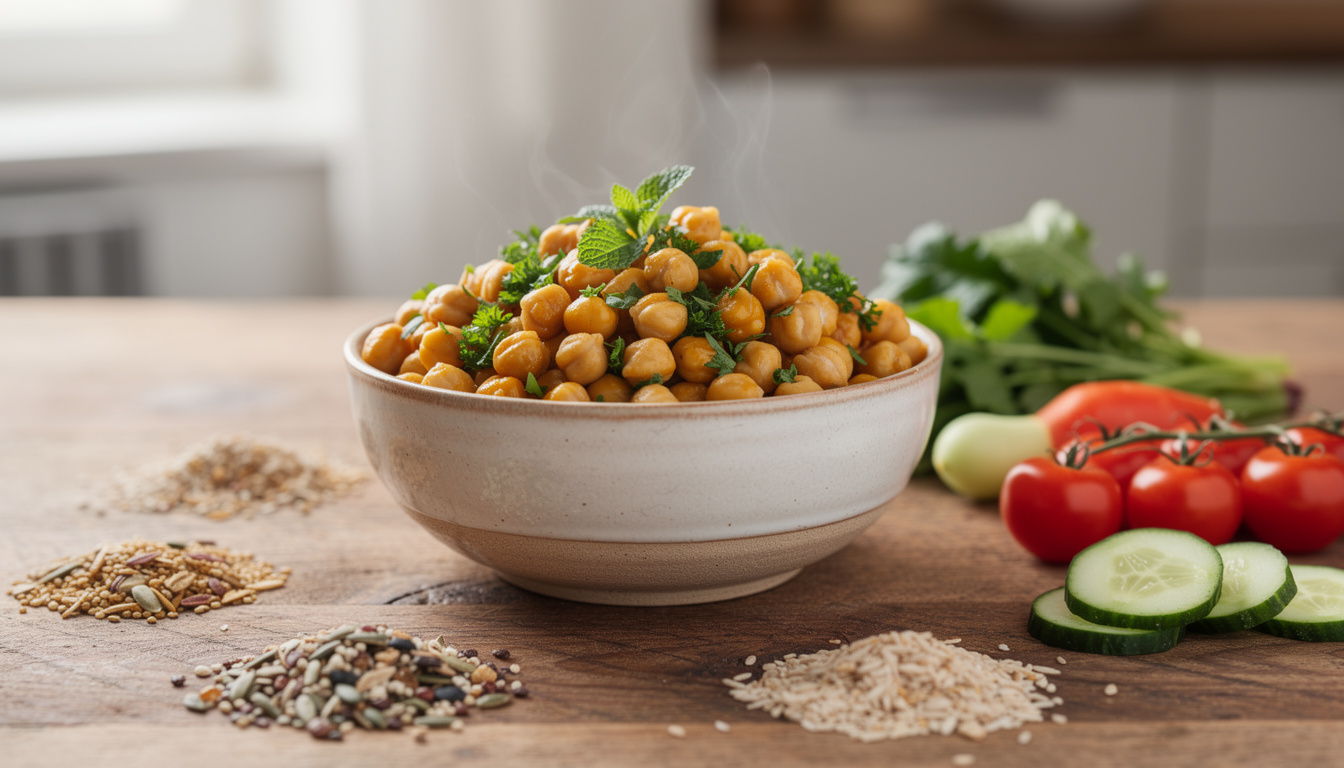
Often relegated to the status of a common ingredient, chickpeas truly deserve all our attention. Consumed regularly, they establish a genuine harmony in our digestive system, particularly at the level of the gut microbiota. This little plant treasure not only provides calories and proteins: it plays a subtle and essential role in intestinal health and, consequently, in our overall well-being.
Chickpeas and gut microbiota: a beneficial alliance
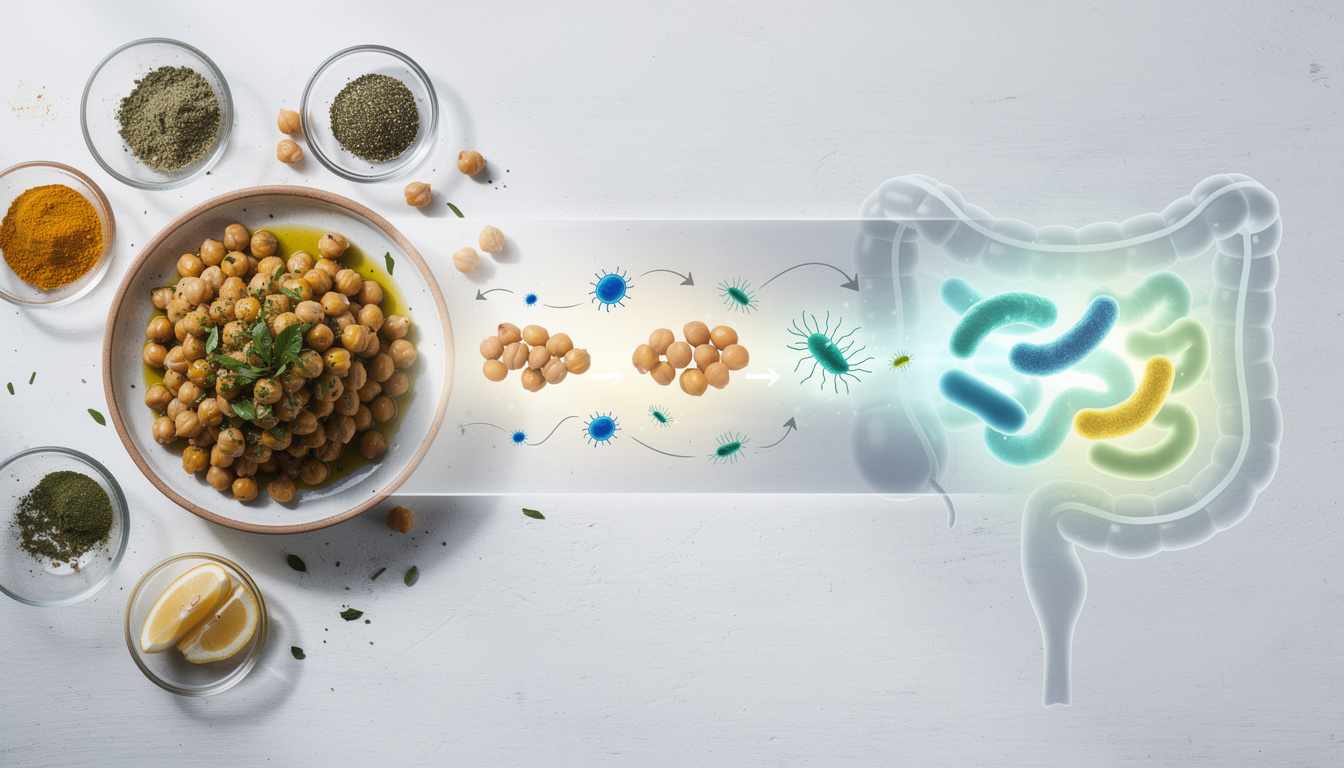
Each time we enjoy a chickpea salad or homemade hummus, we introduce precious dietary fibers into our body, which act as prebiotics. These serve as food for the beneficial bacteria of the microbiota. By stimulating their growth, these fibers promote fermentation in the intestine, a natural process essential for harmonious digestion and balance of the intestinal flora.
These bacteria, while digesting the fibers, produce substances beneficial for the intestinal lining and even for our immune system. Thus, a well-nourished microbiota thanks to chickpeas helps reduce inflammation phenomena and strengthens our natural defenses.
Fibers and fermentation: how chickpeas transform digestion
100 g of cooked chickpeas provide approximately 8.2 g of fiber. These fibers are not only useful for regulating transit but also strengthen intestinal health by nourishing probiotic bacteria. This fermentation generates short-chain fatty acids, known to protect the intestinal mucosa.
However, it is necessary to gradually introduce this legume into the diet. A sudden change can cause bloating, a sign that the microbiota is adapting. Once this period is passed, it promotes better regularity of transit, limiting constipation.
The many health benefits of chickpeas on overall health
Beyond their role on the microbiota, chickpeas are an excellent source of plant proteins, essential for muscle maintenance. Their low fat content and richness in complex carbohydrates contribute to balanced glycemic management, thus avoiding blood sugar spikes and premature hunger sensations.
The minerals present, notably magnesium and zinc, also contribute to the proper functioning of the nervous system and skin health. Additionally, these legumes are naturally gluten-free, making them a valuable ally for those who need to adapt their diet.
Incorporating chickpeas into meals: practical advice
To fully benefit from their advantages, it is advisable to consume about 80 to 100 g of cooked chickpeas per day. Here are some ideas to diversify their use in cooking while preserving your intestines:
- Soak dry chickpeas long before cooking to limit digestive discomforts.
- Prepare homemade hummus with reduced oil for a tasty and healthy snack.
- Incorporate chickpeas into composed salads, tabbouleh, or curries.
- Use chickpea flour in gluten-free recipes, such as pancakes.
Gradual increase of quantities and spreading consumption over several meals allow the microbiota to adapt without overly straining digestion.
Table of key nutritional values of chickpeas (per 100 g cooked)
| Component | Quantity | Main role |
|---|---|---|
| Calories | 147 kcal | Moderate energy, useful for satiety |
| Plant proteins | 8.3 g | Muscle maintenance and feeling of fullness |
| Dietary fibers | 8.2 g | Stimulates beneficial bacteria, improves digestion |
| Fats | 3 g | Low, promotes a balanced diet |
| Vitamin B9 (folates) | 84.4 µg | Essential for cell formation |
| Magnesium | Significant amount | Participation in proper nervous and muscular function |
| Beta-carotene | Present | Antioxidant, beneficial for the skin |
Chickpeas, a resource at the heart of current concerns
In an era where the dietary model tends to favor sustainable and healthy options, the chickpea naturally establishes itself as an alternative. Easy to cultivate, rich in nutrients, and favorable to the microbiota, it fully fits into a healthy and environmentally respectful food approach.
For those wishing to deepen the impact of foods on their health, it is interesting to consult specialized resources. For example, this article details the importance of plant-based proteins to combat fatigue, and magnesium management to optimize nervous and muscular function.
{“@context”:”https://schema.org”,”@type”:”FAQPage”,”mainEntity”:[{“@type”:”Question”,”name”:”Why are chickpeas beneficial for the gut microbiota?”,”acceptedAnswer”:{“@type”:”Answer”,”text”:”Chickpeas are rich in prebiotic fibers that feed the good bacteria of the microbiota, thus promoting beneficial fermentation and a healthy digestive balance.”}},{“@type”:”Question”,”name”:”What are the risks of eating too many chickpeas at once?”,”acceptedAnswer”:{“@type”:”Answer”,”text”:”Too rapid or large quantity consumption can cause bloating or gas due to the necessary gradual adaptation of the gut microbiota.”}},{“@type”:”Question”,”name”:”How to incorporate chickpeas into a daily diet?”,”acceptedAnswer”:{“@type”:”Answer”,”text”:”By starting with small portions, spreading them out over several meals, and favoring varied recipes such as hummus, salads, or curries.”}},{“@type”:”Question”,”name”:”Are chickpeas suitable for people with gluten intolerance?”,”acceptedAnswer”:{“@type”:”Answer”,”text”:”Yes, this legume is naturally gluten-free, and its flour is an excellent alternative in gluten-free recipes.”}},{“@type”:”Question”,”name”:”What other benefits do chickpeas provide besides intestinal health?”,”acceptedAnswer”:{“@type”:”Answer”,”text”:”They contribute to muscle maintenance thanks to their plant proteins, help manage blood sugar, and provide minerals beneficial for skin and bones.”}}]}Why are chickpeas beneficial for the gut microbiota?
Chickpeas are rich in prebiotic fibers that feed the good bacteria of the microbiota, thus promoting beneficial fermentation and a healthy digestive balance.
What are the risks of eating too many chickpeas at once?
Too rapid or large quantity consumption can cause bloating or gas due to the necessary gradual adaptation of the gut microbiota.
How to incorporate chickpeas into a daily diet?
By starting with small portions, spreading them out over several meals, and favoring varied recipes such as hummus, salads, or curries.
Are chickpeas suitable for people with gluten intolerance?
Yes, this legume is naturally gluten-free, and its flour is an excellent alternative in gluten-free recipes.
What other benefits do chickpeas provide besides intestinal health?
They contribute to muscle maintenance thanks to their plant proteins, help manage blood sugar, and provide minerals beneficial for skin and bones.