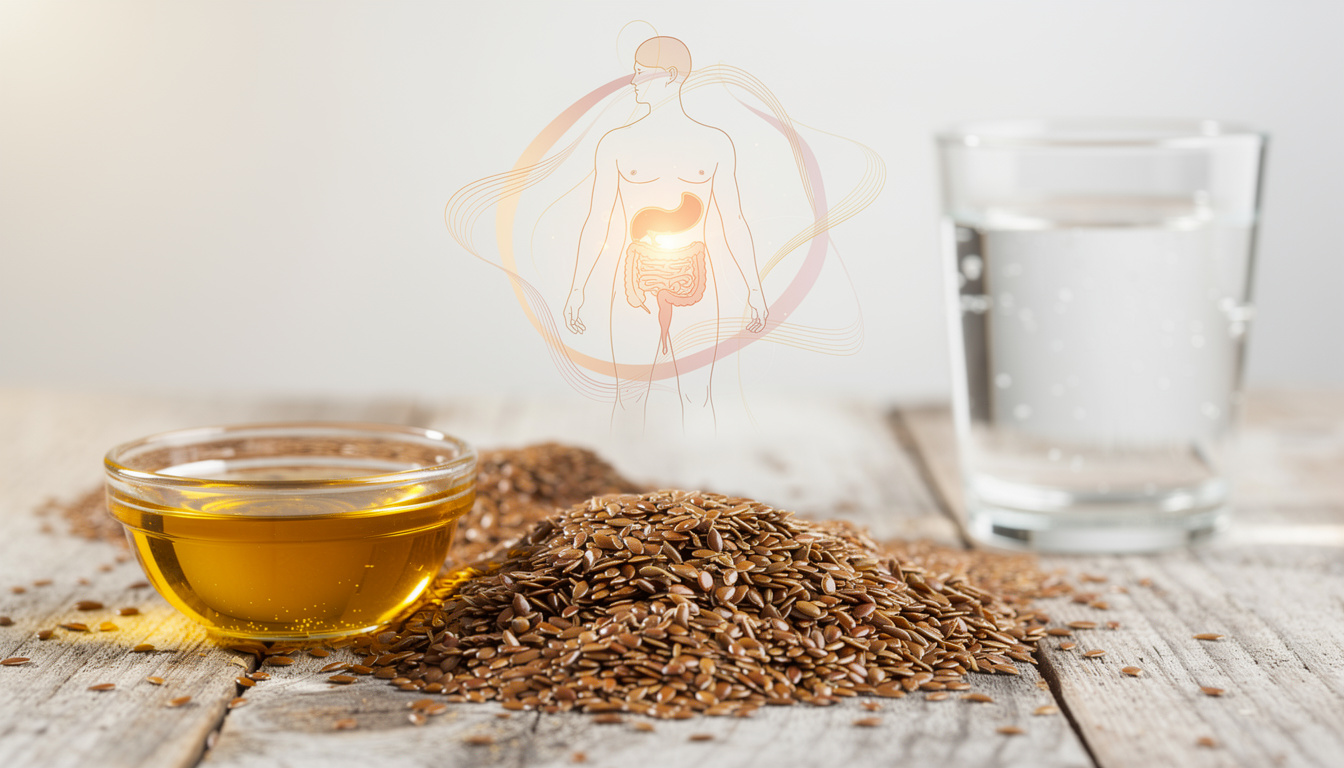
Flax seeds: allies of hormonal balance and intestinal well-being
Flax seeds, derived from the Linum usitatissimum plant, are recognized as a nutritional treasure with numerous virtues. Their richness in dietary fiber, omega-3, and phytoestrogens makes them a valuable ally to support both intestinal health and hormonal regulation. Far from being a simple supplement, they actively contribute to the body’s overall balance.
Origin and characteristics: a seed with ancient roots
Flax has been known for more than eight thousand years, used both for its textile fibers and its nutritious seeds. These seeds come in two main colors, brown and golden, with no significant nutritional difference but a slight variation in taste. Composed of fairly tough shells, they release their potential once ground, thus optimizing the absorption of the precious nutrients they contain.
In cooking, flax seeds provide a mild, slightly nutty flavor that blends easily, whether integrated into whole wheat bread or sprinkled over yogurt. Their nutritional profile is particularly dense, combining fiber, plant protein, and essential fatty acids, with a notable emphasis on plant-based omega-3s.
Impact on intestinal health: fiber and digestion at the heart of benefits
At the forefront of flax seeds’ virtues is their beneficial action on intestinal transit. Their composition of soluble and insoluble fibers acts both as a mechanical stimulant and as a lubricant for digestive walls, thus promoting smoother digestion and effectively preventing constipation. This effect is all the more interesting as it occurs without irritation, even in sensitive intestines, such as during irritable bowel syndrome.
A simple ritual consists of soaking a tablespoon of seeds in half a glass of water overnight, to drink the obtained mucilage upon waking—a traditional method still recommended today for sustainably relieving transit.
Hormonal benefits: the modulatory role of phytoestrogens
Flax seeds also stand out for their richness in lignans, a type of phytoestrogen. These natural compounds act subtly on hormonal regulation, mimicking or modulating the action of estrogens depending on the body’s needs. This property makes them a valuable support during the premenstrual phase or menopause, helping to reduce hot flashes and associated discomforts.
Moreover, these lignans are powerful antioxidants, contributing to the prevention of certain hormone-dependent cancers, notably breast cancer. This antioxidant action also helps slow down skin aging, providing a soothing effect in cases of redness or irritation.
Table of key nutrients in flax seeds for health
| Nutrient | Content per 100 g | Main function |
|---|---|---|
| Dietary fiber | 27.3 g | Improvement of transit, microbiota regulation |
| Omega-3 (alpha-linolenic acid) | around 24.9 g | Cardiovascular protection, anti-inflammatory effect |
| Lignans (phytoestrogens) | high concentration | Hormonal regulation, antioxidants |
| Plant proteins | 20.2 g | Muscle building and satiety |
| Minerals (calcium, magnesium, potassium) | variable amount | Support of enzymatic and nervous functions |
Practical advice for integrating flax seeds into your diet
Better assimilation of flax seeds comes from consuming them ground, preferably fresh, in order to preserve the stability of their omega-3s. Indeed, these fatty acids are very sensitive to heat and oxidation. Storage in the refrigerator in an airtight container is thus recommended to limit their degradation.
Here are some ideas for daily consumption:
- Incorporate a tablespoon into a bowl of porridge or yogurt at breakfast, combining satiety and omega-3 intake.
- Sprinkle on salads, soups, or raw vegetables to enrich your dishes with fiber and healthy fats.
- Prepare dressings with fresh flaxseed oil, lemon, and turmeric for enhanced anti-inflammatory action. To delve deeper into this subject, you can consult this article on natural anti-inflammatory turmeric.
- Use ground seeds to replace an egg in pastries, which is particularly suitable for vegetarian diets.
Usage precautions and situations to avoid
It is important not to exceed one tablespoon of ground flax seeds per day to avoid an overly pronounced laxative effect. Moreover, their high fiber content requires good hydration to prevent paradoxical constipation. People suffering from inflammatory bowel diseases or intestinal obstruction should refrain from consuming them without medical advice.
Possible interactions with certain hormonal treatments or anticoagulants invite caution and consultation with a healthcare professional when in doubt. Furthermore, flaxseed oil should only be used as a seasoning, never heated, and kept cool to avoid rancidity.
Why choose organic and freshly ground flax seeds?
At a time when sustainable and healthy eating is gaining importance, opting for certified organic flax seeds guarantees better nutritional quality by limiting pesticide residues. Moreover, whole seeds maintain their integrity longer but are less bioavailable than ground seeds, which fully release their essential fatty acids and phytoestrogens.
Good storage, therefore, is essential to fully enjoy the riches of this small seed and to make the most of its virtues combining intestinal health, hormonal balance, and anti-inflammatory protection.
List of beneficial effects of flax seeds on health
- Effective support for intestinal transit thanks to the dual mechanical and lubricating action of dietary fibers.
- Natural anti-inflammatory effect linked to the high content of plant-based omega-3s.
- Modulation of hormonal regulation via lignans, useful for alleviating discomforts of the female cycle.
- Contribution to cardiovascular health by reducing LDL cholesterol and regulating blood pressure.
- Antioxidant effect preventing premature skin aging and protecting cells from oxidative damage.
Can whole flax seeds be consumed?
Whole flax seeds have a mechanical effect on transit but their tough shell limits the absorption of omega-3s. It is therefore preferable to consume them ground to fully benefit from their virtues.
What quantity of flax seeds should be consumed daily?
One tablespoon of ground flax seeds per day is generally sufficient to meet omega-3 needs while ensuring a good fiber intake. It is recommended to start with a smaller amount and gradually increase.
Are flax seeds suitable for people with hormonal disorders?
Thanks to their phytoestrogens (lignans), flax seeds help regulate hormones, which can be beneficial during menopause or menstrual disorders. However, in case of hormonal treatment, it is advisable to consult a healthcare professional.
How should flaxseed oil be stored?
Flaxseed oil, very fragile, should be stored in the refrigerator in an opaque bottle and consumed quickly (within 3 weeks after opening) to avoid oxidation and rancidity.
Can flax seeds help reduce hot flashes?
Some studies have shown that lignans in flax seeds can reduce the frequency and intensity of hot flashes, providing natural relief during menopause.