
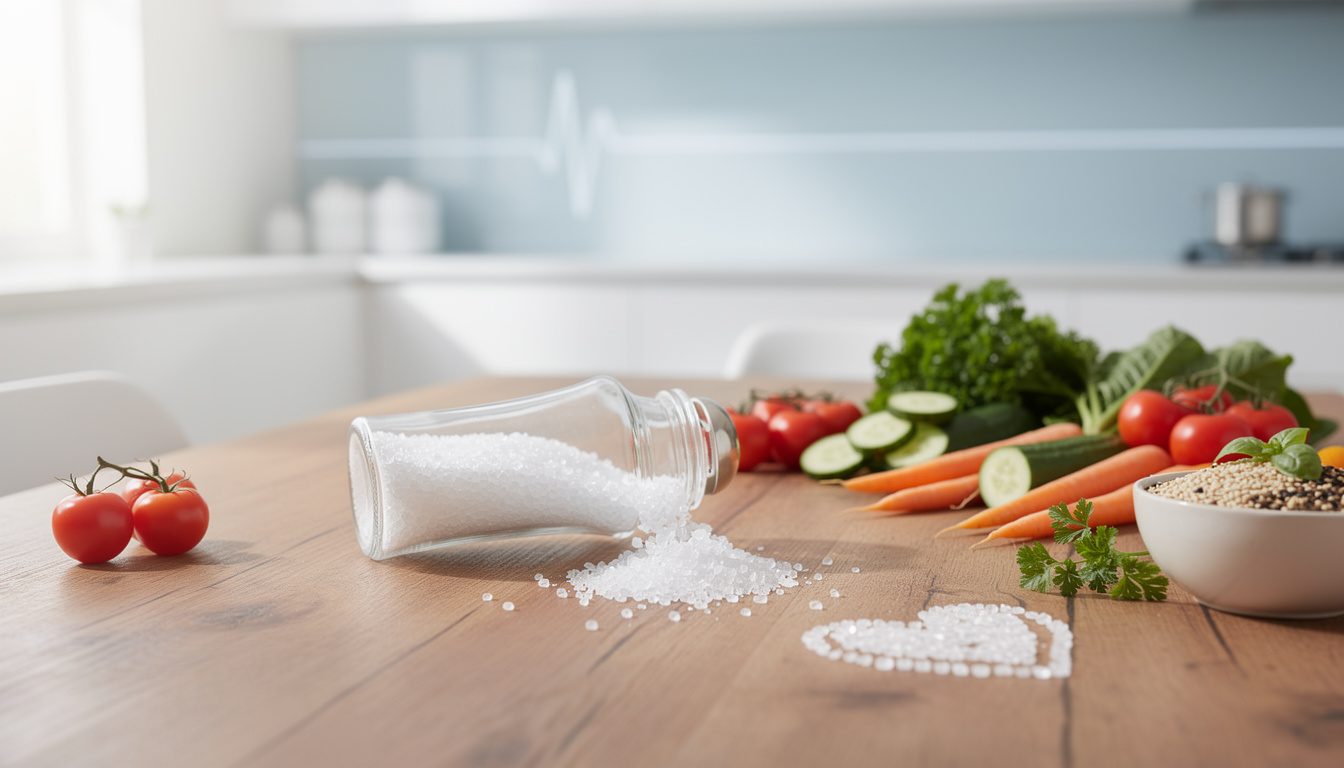
Salt, an age-old ingredient, actively participates in human life far beyond its role as a simple condiment. Its presence in the diet is essential for several vital functions, but excessive consumption leads to significant health risks, notably related to hypertension and cardiovascular diseases. This ambivalence drives the need to understand in detail how to properly dose its consumption while avoiding common dietary mistakes. Let’s explore together the role of this mineral in our health as well as the practices to adopt to benefit from it while limiting its harms.
The delicate balance between the benefits and dangers of salt for health
Salt is not an enemy but rather an essential component of our body. It regulates the electrolyte balance necessary for proper cellular function, supports muscle contraction, and nerve transmission. However, when consumption becomes excessive, it promotes water retention and raises blood pressure, significantly increasing the risk of cardiovascular diseases. This duality illustrates why the recommended dosage must be scrupulously respected.
The importance of the recommended salt dosage
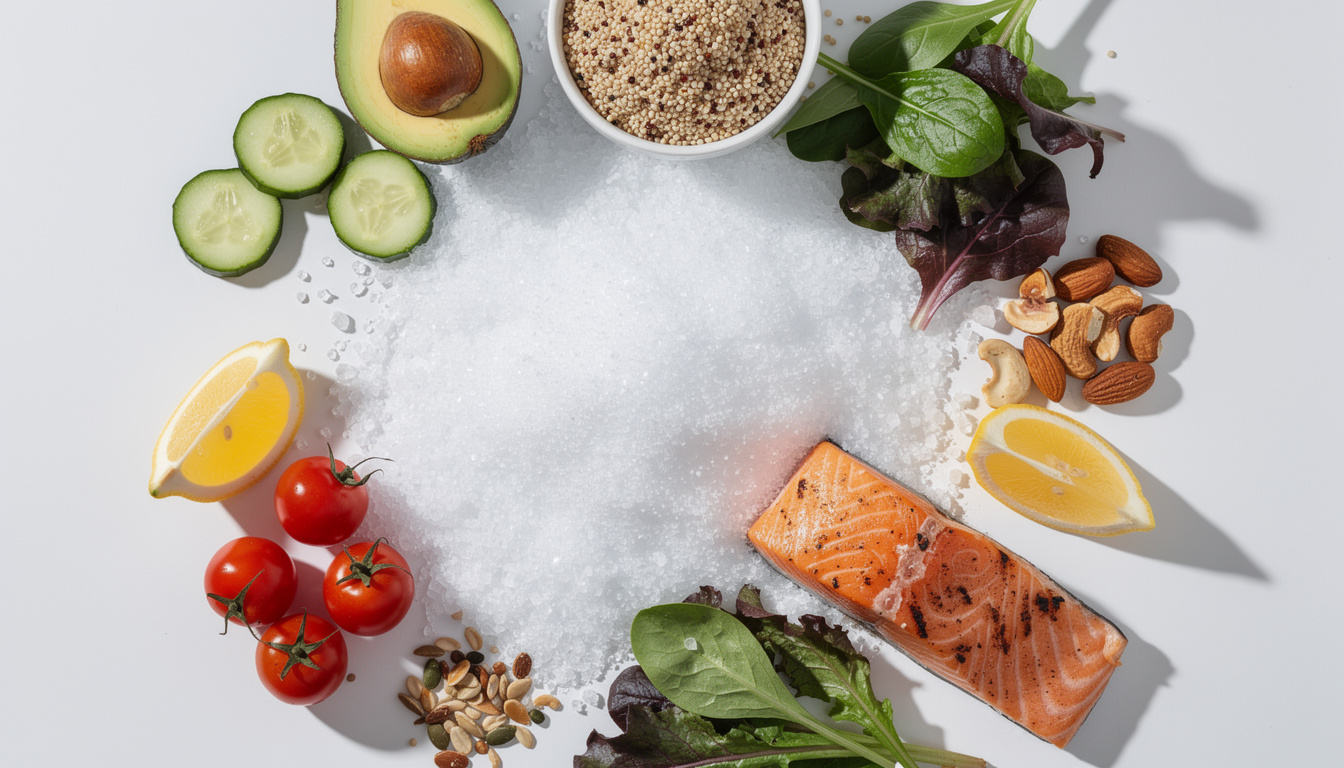
Health authorities such as the World Health Organization recommend not exceeding 5 grams of salt per day, which is about one level teaspoon. Yet, in many households, actual consumption greatly exceeds this limit, often due to hidden intake in processed foods. Reducing this overload is a priority for the prevention of hypertension and its complications.
Common mistakes in salt consumption
Several dietary mistakes affect salt intake management:
- Favoring industrial refined salt with high sodium content over natural salt, which also contains essential minerals.
- Ignoring the “hidden salt” in processed foods such as canned soups, deli meats, and salty snacks.
- Systematically adding too much salt during cooking or at the table, without considering previous intake.
- Not using salt substitutes to limit consumption while preserving flavor, such as aromatic herbs and certain spices.
Recognizing these mistakes helps to adjust one’s diet to better control sodium intake.
Consequences of excessive salt consumption on health
When salt is consumed in excess, the effects on health are multiple and often interconnected. High blood pressure is the most documented, increasing the risk of strokes and heart failure. Sodium overload can also cause water retention, visible through swelling and a feeling of heaviness.
| Effect on health | Physiological mechanism | Long-term consequences |
|---|---|---|
| High blood pressure | Excess sodium increases osmotic pressure and blood volume. | Increased risk of stroke, heart attack, heart diseases. |
| Water retention | Sodium promotes water conservation in tissues. | Edema, increased body weight, discomfort. |
| Bone demineralization | Calcium loss related to increased excretion due to sodium. | Osteoporosis, bone fractures. |
| Kidney problems | Overload on the kidneys to eliminate excess sodium. | Renal function degradation, risk of nephropathy. |
Adopting salt substitutes to preserve health
For those who want to reduce their consumption without sacrificing taste, several alternatives exist. Using aromatic herbs, spices, or adding lemon juice can flavor dishes without increasing sodium intake. This type of substitution promotes a healthier diet and supports the prevention of salt-related problems.
Tips for a healthy and moderate salt diet
Here are some practical tips to control and balance your salt consumption:
- Favor fresh foods and cook yourself to control the amount of added salt.
- Carefully read nutritional labels to spot sodium content, especially in prepared foods.
- Experiment with natural substitutes like blueberry in recipes to vary flavors.
- Limit consumption of deli meats, salty snacks, and canned soups, which are major sources of hidden sodium.
These simple but targeted actions actively contribute to the prevention of diseases linked to excessive salt consumption.
{“@context”:”https://schema.org”,”@type”:”FAQPage”,”mainEntity”:[{“@type”:”Question”,”name”:”What is the maximum recommended amount of salt per day?”,”acceptedAnswer”:{“@type”:”Answer”,”text”:”Current recommendations advise a maximum of 5 to 6 grams of salt per day for adults, which corresponds approximately to one level teaspoon.”}},{“@type”:”Question”,”name”:”Why can salt cause hypertension?”,”acceptedAnswer”:{“@type”:”Answer”,”text”:”Excess salt causes an increase in blood volume due to water retention, which exerts additional pressure on the vessel walls and raises blood pressure.”}},{“@type”:”Question”,”name”:”What common mistakes aggravate salt consumption?”,”acceptedAnswer”:{“@type”:”Answer”,”text”:”Common mistakes include excessive salt addition in cooking, ignoring hidden salt in processed foods, and choosing refined salts instead of natural salts.”}},{“@type”:”Question”,”name”:”What are natural substitutes for salt to season dishes?”,”acceptedAnswer”:{“@type”:”Answer”,”text”:”Aromatic herbs, spices, lemon juice, and certain dressings without added salt are effective alternatives to limit sodium intake while enhancing the taste of foods.”}},{“@type”:”Question”,”name”:”How can I tell if I consume too much salt?”,”acceptedAnswer”:{“@type”:”Answer”,”text”:”Symptoms such as a feeling of heavy legs, swelling, or elevated blood pressure can be signs of excessive consumption. Consulting a healthcare professional is recommended for an accurate diagnosis.”}}]}What is the maximum recommended amount of salt per day?
Current recommendations advise a maximum of 5 to 6 grams of salt per day for adults, which corresponds approximately to one level teaspoon.
Why can salt cause hypertension?
Excess salt causes an increase in blood volume due to water retention, which exerts additional pressure on the vessel walls and raises blood pressure.
What common mistakes aggravate salt consumption?
Common mistakes include excessive salt addition in cooking, ignoring hidden salt in processed foods, and choosing refined salts instead of natural salts.
What are natural substitutes for salt to season dishes?
Aromatic herbs, spices, lemon juice, and certain dressings without added salt are effective alternatives to limit sodium intake while enhancing the taste of foods.
How can I tell if I consume too much salt?
Symptoms such as a feeling of heavy legs, swelling, or elevated blood pressure can be signs of excessive consumption. Consulting a healthcare professional is recommended for an accurate diagnosis.
