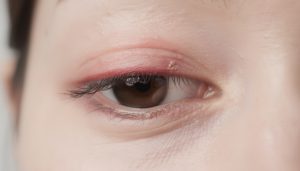
Understanding Lentigo: Main Causes and Impact on the Skin
Lentigo, often called age spots, manifests as the appearance of brown or black pigment spots on the skin, particularly when exposed to the sun. These small, flat marks, which generally appear after age 40, reflect accelerated skin aging caused by repeated UV exposure. It is essential to distinguish between the different forms of lentigo, as some require close medical monitoring to prevent malignant transformation. Solar Lentigo: common in people over 40, linked to the accumulation of sun damage.Lentigo maligna: a precancerous form often located on the face, which can develop into melanoma. Simple and Senile Lentigo: benign forms associated with the natural aging of the skin. Skin exposed to the sun for extended periods develops these spots in response to irregular pigment production. The major role of UV rays in this hyperpigmentation underscores the importance of appropriate sun protection to slow its appearance. Visible signs and symptoms to watch for to recognize a lentigo: The pigment spots associated with lentigo are often well-defined, light to dark brown, and can vary from a few millimeters to several centimeters in size. For solar lentigo, these marks are flat, generally regular, and painless. However, vigilance is required when the spots: exhibit noticeable asymmetry, have irregular or blurred edges, show heterogeneous pigmentation with several shades, increase rapidly in size, especially beyond 6 mm, or are accompanied by itching or unpleasant sensations. These elements are warning signs of possible lentigo maligna, a precancerous form that requires dermatological treatment. Specialized care is recommended to monitor the development of age spots, especially for fair skin, which is particularly sensitive to UV radiation. Triggering factors and risky habits that promote the appearance of lentiginesClinical examination reveals that cumulative UV exposure is the primary cause of lentigines. However, recent exposure is not the only factor: sun damage accumulates over the years, permanently altering skin pigmentation. Several factors increase vulnerability: Fair skin (phototypes I and II), with a fourfold increased risk. Advanced age, with the frequency of lentigines doubling every 10 years after age 40. Family history of melanoma, which significantly increases susceptibility. Immunosuppressive treatments or chemotherapy, sometimes implicated in their development. Regions with high sun intensity, such as the south of France, expose the skin more.
- The combination of these factors, coupled with a lack of appropriate skincare, promotes the appearance and worsening of age spots, highlighting the need for sun safety education from a young age as an essential preventative strategy. Practical tips to protect your skin and limit the appearance of age spots: To preserve the youthfulness and health of your skin, it is crucial to adopt a rigorous preventative routine focused on sun protection. Here are some simple steps to incorporate into your daily life:
- Apply a broad-spectrum SPF 50+ sunscreen every morning, even on cloudy days. Wear protective clothing, wide-brimmed hats, and appropriate sunglasses.
- Avoid prolonged sun exposure between 11 a.m. and 4 p.m., the hours of intense sunlight. Moisturize your skin regularly with suitable products to strengthen its natural barrier.
Visually monitor your age spots by taking photos regularly to detect any changes. Adopting these habits not only promotes effective sun protection but also improves the overall quality of your skincare routine, thus slowing down the skin aging process and the appearance of age spots.