What is Atopic Eczema and How to Recognize Its Symptoms?
Atopic eczema, also called atopic dermatitis, is a chronic inflammatory skin disease that affects a significant portion of the population, especially children but also adults. It manifests as patches of dry, red, and irritated skin, accompanied by intense itching that can greatly impair quality of life. These inflammatory flares occur in periods, alternating between acute episodes and remission phases. Diagnosis is essential to adapt skin care and treatment, which aim to relieve symptoms and restore the skin barrier.

Visible and Felt Signs of Atopic Dermatitis
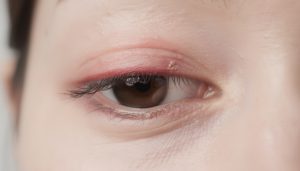
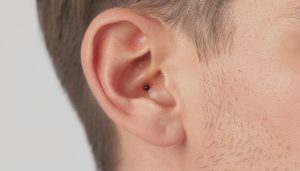
At first glance, atopic dermatitis appears as red areas on the skin where the surface may be very dry, scaly, or even covered with small blisters. Pruritus, or the sensation of itching, is particularly striking and often leads to scratching, which worsens inflammation. The parts of the body most commonly affected in children are the face, scalp, as well as the folds of the elbows and knees. In adults, other areas such as the back or hands may be involved, making daily life difficult, especially due to repeated irritations. You can learn more about specific manifestations and their management, particularly for eczema patches on the back or ear eczema.
Trigger Factors and Causes of Atopic Dermatitis
Atopic eczema results from a complex combination of causes involving genetics, the immune system, and the environment. A family predisposition, called atopy, is often present. It leads to naturally drier and more fragile skin that no longer effectively performs its protective barrier function. This skin permeability then facilitates the entry of various allergens – present in the air such as dust mites, animal hair, or pollens, and sometimes in food – which can cause or worsen inflammatory reactions and allergies.

The Role of Environment and Stress
An overly sterile lifestyle, notably excessive hygiene, can paradoxically promote eczema development. By eliminating too many microorganisms, the skin’s natural balance is disturbed, triggering an excessive immune response. Moreover, stress is recognized as an aggravating factor not to be underestimated. It intensifies inflammatory symptoms and itching, creating a vicious circle that is difficult to break. To explore this aspect further, you can consult the article on the link between stress and atopic dermatitis.
How to Care for Skin Suffering from Atopic Eczema?
Treatment of atopic eczema primarily relies on daily management adapted through specialized skin care. It is essential to restore the skin barrier damaged by dryness and inflammation, as well as to limit irritant and allergenic factors in the environment.
Practical Tips to Soothe Itching Sensations
Here are some effective and easy measures to incorporate into daily life to relieve eczema:
- Prefer mild and fragrance-free cleansers to avoid irritating the skin.
- Regularly apply rich emollient creams or balms to intensely hydrate dry skin.
- Limit very hot baths and prolonged showers, which can worsen skin dryness.
- Avoid scratching to prevent maintaining inflammation and risking secondary infections.
- Wear soft cotton clothing rather than synthetic fibers, which protect the skin.
- Take into account allergenic factors present in the home environment.
For more details on targeted and natural care, feel free to explore tips to soothe eczema patches with gentle and respectful methods.
Diagnosis and Medical Follow-up of Atopic Eczema
Diagnosis is based on clinical observation of lesions, patient inquiry about allergic history, and sometimes supplementary tests. Regular follow-up is crucial to adjust treatments according to symptom evolution and flares. In cases of particularly disabling symptoms, a specialized consultation can help more precisely identify triggers and diversify therapeutic approaches.
Special Cases: Atopic Eczema in Adults and Pregnant Women
Although this condition is mainly diagnosed during childhood, it can persist or begin in adulthood. Certain particular situations, such as pregnancy, require increased attention to adapt treatment without endangering the mother and baby. You can consult specific resources on pregnancy eczema to learn more.
Understanding the mechanisms, recognizing the signs, and adopting the right actions help to live better with atopic dermatitis. The key lies in a successful alliance between medicine, adapted care, and comprehensive management including environment and emotional well-being.