Understanding Allergy Rashes: Skin Reactions and Mechanisms
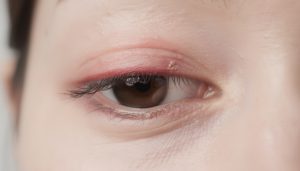
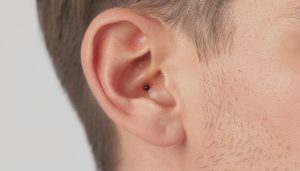
Allergy rashes occur when the immune system overreacts to a substance it mistakenly perceives as dangerous. This skin reaction, visible as redness, small bumps, or swollen patches, is a direct expression of an immune imbalance. The lesions quickly appear on the face or body, often causing itching, a key symptom of pruritus.
- Types of lesions: bumps, red patches, swelling, blisters.
- Associated symptoms: intense itching, local inflammation, burning sensation.
- Immune reactions: production of specific antibodies in response to the identified allergen. For example, an irritating cosmetic cream or nickel jewelry can trigger contact dermatitis, causing the skin to thicken and become covered in red bumps that persist as long as exposure continues. Appropriate skincare products, such as those from La Roche-Posay and Avène, are essential to soothe these irritations.
Distinguishing between allergic eczema and urticaria: recognizing the signs
When faced with the appearance of allergy rashes, it is important to distinguish between two main forms: contact eczema and allergic urticaria. Eczema causes persistent inflammation with progressive flaking, while urticaria produces raised, well-defined red welts, often on several areas of the body, caused by a deeper skin reaction.
Allergic eczema: red bumps, thickened skin, dryness, prolonged reaction.
- Allergic urticaria: raised red welts, intense itching, rapidly progressing. Common causes: chemicals, cosmetics, food allergens, insect bites.
- In the case of hives, antihistamine treatments, often prescribed by specialists, help to quickly relieve symptoms. The use of specific skincare products such as those from Bioderma or Uriage can also complement the treatment to restore skin comfort. Allergens responsible for the rash: identifying them to better respond
- Various sources cause these skin reactions, each requiring a specific approach to limit their impact. Among the most common are: Skincare and cosmetic products: creams, perfumes, and deodorants containing irritating substances.
Textiles and detergents: contact allergy related to fibers or detergents.
Sun allergies (polymorphous light eruption): redness and bumps on areas exposed to the sun, especially in summer.
Food and medications: often responsible for hives or eczema, particularly in children.
- Insect bites or contact with animal hair: localized reactions, particularly in sensitive individuals. For example, in babies, food allergies to cow’s milk protein can cause persistent skin rashes that often require pediatric monitoring. Accurate diagnosis: skin tests and the dermatologist’s role
- To identify the allergen causing the rash, doctors often perform skin tests called “patch tests.” These tests involve applying allergen samples to the skin, held in place by an adhesive for 48 to 72 hours. The appearance of a localized reaction then allows the cause to be precisely identified. Patch tests: diagnosis of contact allergy, identification of specific substances.
- Blood test: detection of specific antibodies in cases of food or drug allergies. Medical consultation: detailed analysis of the patient’s history and symptoms to guide further investigations.
- This investigation allows for the implementation of an effective avoidance strategy and helps prevent chronicity, particularly by using appropriate dermatological treatments such as Cicalfate (Avène) or Ducray to repair the weakened skin barrier.
- How to relieve and treat allergy rashes daily Treatment for allergy rashes depends on their nature and the severity of the symptoms. In all cases, it is crucial to stop all contact with the identified allergen and take steps to soothe irritated skin.
Creams and ointments: corticosteroids prescribed to reduce inflammation, emollient moisturizers (e.g., Weleda, Sanoflore products).
Oral antihistamines: the preferred treatment for hives to relieve itching.
- Hygiene measures: avoid scratching to prevent secondary infections, use gentle cleansers (Bioderma). Skin protection: Wear gloves when handling harsh products, and regularly apply protective creams (A-Derma, Uriage). In some cases, natural alternatives can complement treatment, such as cold compresses to soothe irritation. However, stopping contact with the allergen remains the most effective way to stop the rash.
- Preventing recurrences: Practical tips for soothed skin Prevention begins with understanding your body and its sensitivities. Here are some tips to limit the risk of recurrence:
- Choose hypoallergenic products: Opt for fragrance-free and dermatologically tested ranges, such as those from La Roche-Posay or Avène. Protect yourself from the sun: Use appropriate sunscreens to avoid sun rash and sun allergies.
Avoid stress: An aggravating factor for some types of skin allergies.
Moisturize your skin regularly: Maintain the skin barrier with suitable skincare products. Consult quickly
: in case of severe or unusual reactions, do not hesitate to consult a dermatologist or allergist.