Milia: Understanding the Main Causes and Distinctive Signs
Milia, those small white bumps often seen around the eyes or on the cheeks, are affecting a large number of people in 2025, concerned not only about aesthetics but also about skin health. Although benign, these milia cysts remain mysterious to many, involving both biological and environmental factors. The challenge is to understand the causes of milia to better recognize their signs and adopt an effective preventative routine. Keratin Accumulation: Disrupted cell renewal leads to the trapping of dead cells under the epidermis.Comedogenic Cosmetics: Their intensive use clogs pores and facilitates the formation of these microcysts. Skin Trauma and Injuries: Scars, burns, or aggressive dermatological treatments can promote milia formation. Sun exposure: Excessive UV radiation thickens the skin and creates an environment conducive to these skin lesions. Genetic factors and underlying diseases: Certain dermatological conditions and family predispositions play a role.
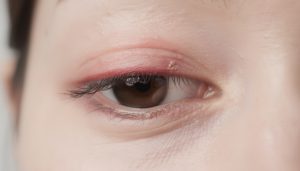
- The small white bumps of milia, also called “semolina,” measure between 0.5 and 2 mm and are mainly located around the eyelids, nose, and cheeks. Unlike classic comedones, they do not have an opening to the outside, which explains their persistence. Properly identifying these characteristics helps avoid treatment errors and allows for the selection of an appropriate approach.
- Signs of milia: how to recognize these formations on your skin
- Milia cysts are characterized by: A small size, generally 1 to 2 mm, with a rounded shape and well-defined borders.
- A white to yellowish color,
- sometimes perceived as a small pearl under the skin. A firm texture, without inflammation or associated pain. A common occurrence on highly visible areas:
eyelids, around the eyes, nose, and cheeks. Unlike acne, these small lesions do not present redness or tenderness to the touch. The surrounding skin remains intact, without any signs of irritation. This detail is essential to avoid confusing milia with other skin conditions. If you are affected, increased vigilance in your skincare routine is crucial.
Milia Treatment: Safe Methods and Recommendations in 2025 Faced with the appearance of these skin lesions, many women and men seek solutions to reduce or even eliminate them. In 2025, several options validated by professionals are recommended: Manual extraction by a dermatologist:
a delicate procedure using a sterile needle to extract keratin without risking scarring or infection. Treatments with acids (AHA/BHA): application of gentle exfoliating products that stimulate cell renewal and unclog pores.
- Non-comedogenic moisturizers: essential for restoring the skin barrier while preventing clogged pores.Advanced dermatological procedures:
- CO2 laser, cryotherapy, or electrodesiccation for more stubborn cases under medical supervision.
- Cautionary use of corticosteroids: to be avoided long-term to limit the risk of milia formation related to treatments.It is strongly advised against
squeezing the bumps yourself to avoid any complications. Making an appointment with a specialist remains the safest and most effective option for lasting results. Recognized laboratories such as Bioderma, Avène, and La Roche-Posay offer complementary, suitable skincare products. Preventive routine to avoid milia formation
Beyond treatment, preventing milia relies on a few simple but essential daily steps:
Regular sun protection: Apply a suitable cream every day to filter UVA/UVB rays and protect the epidermis.A suitable skincare routine:
- Opt for products containing azelaic acid or retinoids to activate natural exfoliation. Gentle hygiene:
- Cleanse without soap using gentle gels to respect the hydrolipidic film. Avoid oily or occlusive cosmetics:
- These textures promote clogged pores and the formation of microcysts. Gentle exfoliation:
- Opt for chemical exfoliants rather than harsh mechanical scrubs to minimize irritation. Regular and appropriate skincare, combined with attention to your environment, often helps to limit these minor cosmetic issues. To delve deeper into these strategies and better understand the
- causes of milia , feel free to consult this
comprehensive guide on milia in 2025 .