Atopic dermatitis in adults represents a real health challenge, combining skin inflammation and complex immune system responses. Among the triggering factors, stress occupies a central place, frequently exacerbating eczema symptoms and deeply affecting quality of life. To understand this close relationship, it is essential to explore the biological and psychological mechanisms underlying this chronic disease.
The role of stress in atopic dermatitis in adults
Atopic dermatitis manifests as eczema flare-ups characterized by significant skin inflammation, accompanied by red patches and intense itching. In adults, stress acts as a powerful aggravating factor. Indeed, during stressful episodes, the body releases cortisol, a hormone that temporarily disrupts the balance of the immune system, thereby weakening the skin barrier essential to protecting the skin.
This alteration promotes allergic reactions and the infiltration of irritating agents, triggering or amplifying atopic dermatitis flare-ups. As a result, affected individuals see their quality of life impacted, with sleep disturbances linked to severe itching and additional stress that maintains this inflammatory loop.
Specific symptoms of stress-related eczema
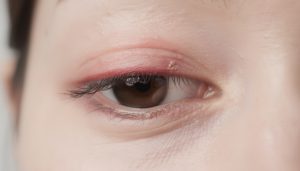
When stress enters the equation, eczema flare-ups often appear in sensitive areas such as the face, neck, scalp, as well as on the hands – areas where the skin is frequently exposed and stressed. The patches can evolve from simple redness to thickened and oozing areas, accompanied by vesicles, small fluid-filled lesions that differentiate them notably from allergic hives or psoriasis.
Beyond visible skin manifestations, psychological discomfort gradually sets in. The gaze of others and the resulting discomfort can generate social isolation, highlighting the importance of comprehensive care.
Taking care of atopic skin daily
Moisturizing care is the cornerstone of supportive treatment for atopic dermatitis. It is recommended to use gentle cleansing oils that respect the protective skin film rather than conventional soaps, which are often too harsh. After washing, it is crucial to apply an emollient balm, promoting the restoration of the skin barrier to effectively combat dryness and inflammation.
In case of acute flare-ups, the use of cortisone-based creams prescribed by a dermatologist helps reduce inflammation and itching quickly. However, it is important to carefully follow medical recommendations, especially to avoid prolonged use and the appearance of side effects.
To better understand the causes and signs of this disease, you can consult our dedicated articles on causes and signs of atopic dermatitis as well as on the natural care of hand skin.
Preventing and managing stress to limit flare-ups
Beyond skin care, stress management is a key element to reduce the frequency and intensity of flare-ups. Various approaches combining gentle movement, relaxation, and meditation techniques have proven effective:
- Yoga and Tai Chi promote muscle relaxation and reduce blood cortisol levels.
- Meditation and breathing exercises help soothe the mind and absorb tensions.
- Behavioral and cognitive therapies (CBT) to better understand anxiety and limit aggravating behaviors such as scratching.
- Hypnosis to explore and treat unconscious causes of skin reactions related to stress.
- Dietary supplements rich in magnesium to support the nervous system against anxiety.
Psychological support is also essential for people overwhelmed by these sensations, allowing significant improvement in quality of life and symptom control. To learn more about the impact of stress, discover how it affects localized eczema flare-ups and the itching many patients report.
Testimony and strategies to strengthen resilience against atopic dermatitis
Shawn Reynolds, a psychologist who himself suffers from eczema, emphasizes in a recent webinar the importance of resilience and empowerment in facing the disease:
- Resilience allows bouncing back more easily from the difficulties generated by atopic dermatitis.
- Empowerment consists of actively taking care of oneself, recognizing physical and emotional needs, and adopting favorable lifestyle habits.
To enhance your well-being, make sure to maintain a healthy lifestyle, engage in enjoyable activities, and do not hesitate to seek professional help to optimize your treatment and support you in managing stress.
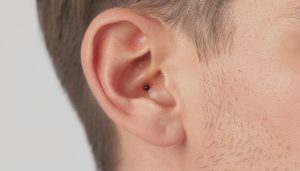
Finally, to deepen your knowledge and better understand the many facets of this disease, consult the resources available on diagnosis and symptoms of ear eczema or the specifics of atopic dermatitis in pregnant women.