Ear eczema: understanding the causes to act better
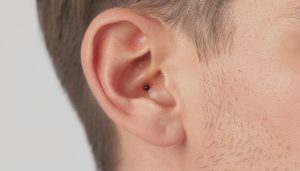
Ear eczema, or auricular eczema, is an inflammation of the skin that can affect the auricle, the external auditory canal, as well as the area behind the ear. This dermatitis causes a local inflammation, often accompanied by intense itching and persistent irritation. In 2025, it is essential to properly recognize the signs and causes in order to adopt an appropriate treatment and avoid complications.
Among possible origins, two main types of mechanisms are distinguished. Either the eczema is linked to an allergic reaction called contact with an allergen (jewelry, headphones, cosmetic products), or it is an outbreak of atopic eczema, often associated with a predisposing genetic background.

The main triggering factors of auricular eczema
In daily life, numerous factors can promote the appearance of eczema on the ears:
- Contact with allergens: metal jewelry, hair products such as certain shampoos, dyes, or irritating ear drops.
- Lack of proper hygiene: overly aggressive or frequent cleaning can damage the skin’s protective film and disrupt natural cerumen production.
- Exposure to water: swimming or excessive sweating increases maceration and worsens irritated skin.
- Stress and immunological factors: atopic eczema can manifest or worsen during periods of stress, even without an identifiable external cause.
This range of triggers demonstrates the importance of a gentle approach aimed at protecting this delicate area of the body to limit flare-ups.
What are the revealing signs of ear eczema?
Recognizing symptoms of eczema is the first step to prevent the irritated skin from worsening. These signs can appear on the auricle, in the external auditory canal, or behind the ear:
- Redness and visible inflammation around or inside the ear.
- Intense itching that can cause repeated scratching and promote superinfection.
- Dry and scaly skin with visible flaking, sometimes crusts in severe flare-ups.
- Burning sensation or localized pain related to the inflammation.
- Possible temporary hearing loss due to edema or narrowing of the auditory canal.
These symptoms should prompt quick consultation to prevent complications such as external otitis. In case of persistent eczema despite care, specialized advice is essential.

Differentiating eczema and auricular fungal infection
It is not always obvious whether itching is due to eczema or a fungal infection. Ear fungal infection is often located inside the auditory canal where characteristic white deposits are visible with an otoscope. In contrast, eczema first affects the outside of the ear before potentially invading the canal.
An accurate medical diagnosis helps avoid treatment errors, especially in cases of recurrence or unexpected progression.
Effective treatments against ear eczema
To soothe irritated skin and calm itching, doctors often prescribe a treatment based on topical corticosteroids specific to the ear, such as Diprosone° ointment, to be applied gently in a thin layer on affected areas. In case of internal eczema, ear drops may accompany this treatment.
It is essential to identify and eliminate any suspected allergen to stop relapses, especially in people with an atopic background.
Here are some additional tips for managing auricular eczema:
- Avoid scratching to prevent further weakening of the skin.
- Never insert cotton swabs into the ears, as this often worsens irritation.
- Regularly moisturize the skin with a cream prescribed by a professional.
- Protect the ears from cold and wind with a hat or headband, especially in winter.
- See a dermatologist as soon as the first signs appear for an accurate diagnosis.
Essential oils and natural approaches to use with caution
In certain circumstances, essential oils such as lavender or chamomile, recognized for their soothing properties, are suggested as a complement. However, because the ear is a very sensitive organ, it is essential to consult a professional before any use to avoid complications.
Contrary to certain popular beliefs, folk remedies and naturopathy do not yet have sufficient scientific validation to guarantee their effectiveness in cases of ear eczema.
Preventing auricular eczema: simple gestures to protect your ears
To limit the risk of recurrence and protect the fragile skin of the ear, it is advised to adopt certain daily habits:
- Clean only the outside of the ear with a mild soap without irritating the skin.
- Thoroughly dry ears after showering or swimming by tilting the head to drain water.
- Limit wearing objects in direct contact with the ear such as headphones or metal earrings.
- Monitor for signs of irritation when using new hair products, especially shampoos suited for irritated scalp.
- Consult immediately if you experience unusual sensations or persistent itching.
These precautions often help avoid the vicious circle of eczema and preserve the health of your auricular skin.