Understanding the Root Causes of Atopic Dermatitis
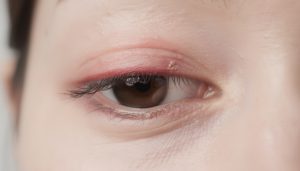
Atopic dermatitis is a complex skin condition whose origins lie primarily in genetic and immunological factors. A family predisposition leads to chronic dry skin, weakening the skin’s protective barrier and promoting inflammation. For Sophie, a young mother of two, this family history manifested very early, prompting her to adapt their daily routine. An atopic predisposition promotes hypersensitivity to allergens, such as dust mites, pollen, pet dander, or certain foods (peanuts, milk, eggs). Overly strict hygiene, leading to an excessively sanitized environment, can disrupt the skin’s natural flora. Stress, often underestimated, can significantly worsen eczema flare-ups. Each of these causes contributes to inflamed skin, which loses its barrier function, increasing permeability to external irritants. The La Roche-Posay brand offers skincare products adapted to this heightened sensitivity, designed to restore this delicate balance. The various visible manifestations in affected individuals: Atopic dermatitis takes on various forms depending on age and severity: In infants, red, oozing patches often appear on the face and scalp, disrupting sleep and feeding. In children and adults, the skin can become thickened and scaly, especially in the creases of the elbows and knees, and even on the hands and neck.A sensation of intense itching often precedes the appearance of lesions and leads to scratching, which aggravates the condition. In some cases, small blisters may form and ooze, risking secondary infections. To soothe these symptoms, brands such as Avène
- , Eucerinor Biodermaoffer soothing moisturizing creams, formulated to limit relapses. How to easily recognize the signs of atopic dermatitis Recognizing the typical signs helps you intervene quickly and effectively:
- Persistent itching
- that intensifies particularly at night. Redness and swellinglocalized to areas that are frequently exposed and rubbed.
Rough, cracked, and sometimes thickened skin after repeated scratching. Presence of red patches with irregular edges that can spread rapidly. Consultations with a dermatologist are recommended as soon as these signs interfere with sleep or daily activities. The Neutrogena brand also offers specific skincare products dedicated to very sensitive atopic skin. When and how to make an accurate diagnosis?
Diagnosis is based primarily on a clinical examination supplemented by a thorough interview that explores family history and triggering factors. When a skin infection is suspected, a sample may be taken. In parallel:
Blood tests measure inflammation and detect any potential allergy markers.
- Patient patches can identify certain specific allergens.
- Since medical imaging is of limited use, monitoring focuses primarily on clinical observation.
- Innovative solutions such as the CeraVe range of skincare products are recommended for gentle care that respects the skin’s barrier function.