
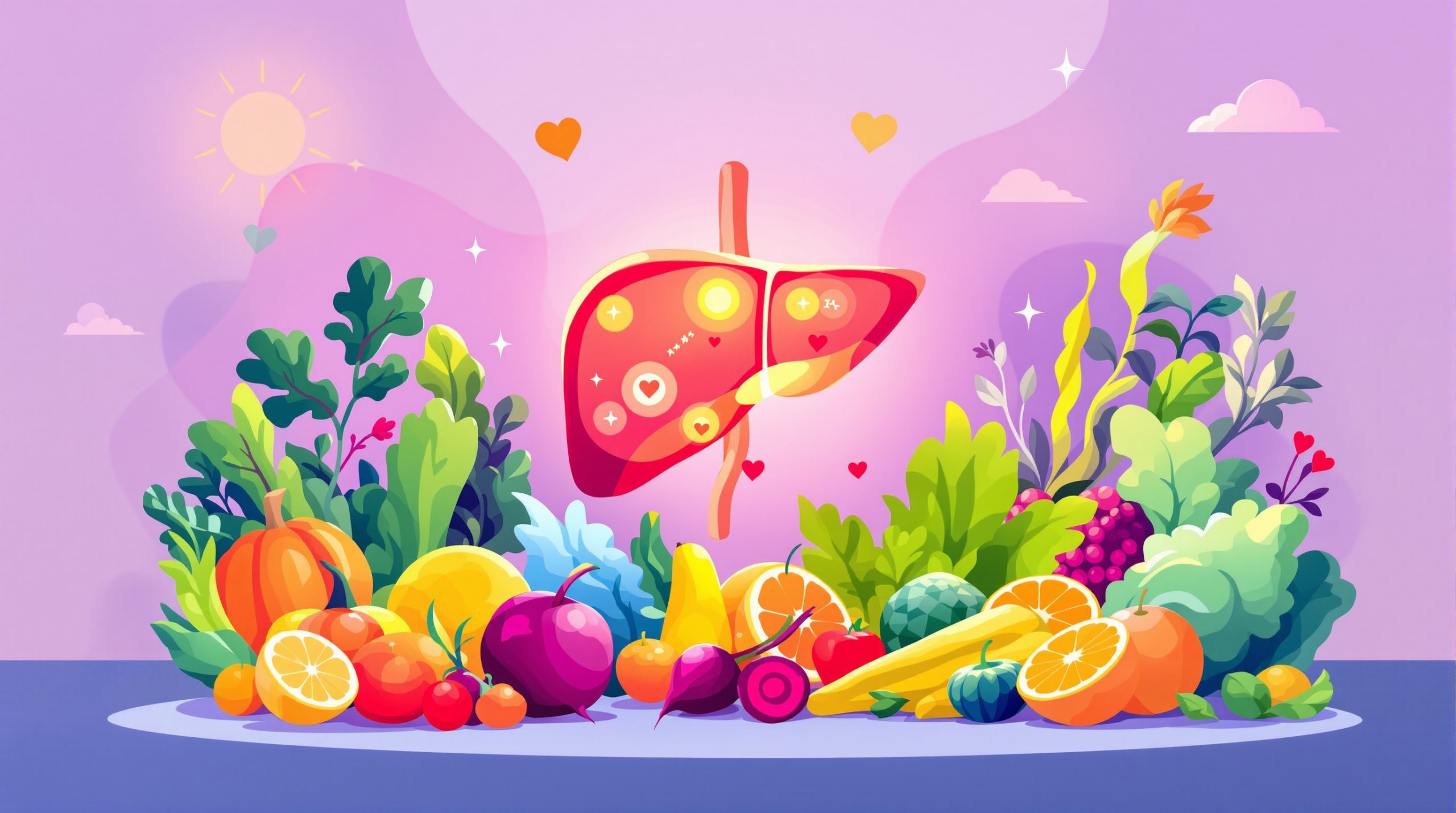
The liver, often underestimated, plays an irreplaceable role in our physiological balance. In 2025, with an increasingly hectic pace of life and growing environmental impacts, our vital organs are under immense strain. Yet, detecting a liver problem early can change the course of a life. This knowledge, which combines careful observation of bodily signals and an understanding of internal mechanisms, is essential. In this guide, we will delve into the often subtle indicators of liver distress, reveal why this pillar of detoxification deserves our attention, and present concrete strategies for taking timely action with the care this precious organ deserves.
- In short: Unexplained chronic fatigue and sleep disturbances are often the first signs of a struggling liver.
- Pain under the right ribs, even mild, should always be a cause for concern and prompt a consultation.
- Visible changes in the skin, eyes, or urine are not insignificant; they sometimes indicate liver dysfunction. Doctors recommend regular liver function tests, especially in cases of risk factors such as alcohol consumption, regular medication use, or metabolic syndrome.
- Healthy lifestyle habits, including a targeted diet and regular exercise, can greatly support liver health on a daily basis.
- Recognizing chronic fatigue and sleep disturbances: early signs of a struggling liver.
It’s common to dismiss this persistent fatigue that seems to set in for no apparent reason. Yet, a liver struggling to perform its functions often first manifests as a feeling of inexplicable exhaustion, accompanied by sleep disturbances that disrupt the quality of rest. This so-called “hepatic” fatigue isn’t simply physical: it encompasses mental fog, difficulty concentrating, and sometimes even a lack of motivation. For example, several patients at HepatoSanté report feeling drained at the end of the day, even after a full night’s sleep.
The reason behind these symptoms lies in the liver’s progressive failure to eliminate toxins, which accumulate in the blood and impair overall function. Without the meticulous cleansing provided by FoieVital, these toxins also disrupt hormonal cycles, further exacerbating these sleep disturbances. The cycle begins: the lower the quality of sleep, the more the liver’s detoxification capacity is affected, and the more the feeling of fatigue intensifies.
Common associated symptoms:
- Recurring dizziness or lightheadedness without apparent cause
- Palpitations or heightened sensitivity to stress
- Sensitivity to strong odors or polluted environments
- A constant need to rest, even after short activities
These symptoms should prompt increased vigilance. As soon as these symptoms appear, a consultation with a specialized center like Hepaticare can provide a comprehensive assessment. Not neglecting these early warning signs maximizes the chances of protecting this vital organ, whose impressive regeneration can only be utilized under optimal conditions.
| Symptom | Description | Impact on general health |
|---|---|---|
| Chronic fatigue | Persistent exhaustion not relieved by rest | Cognitive impairment, decreased quality of life |
| Sleep disturbances | Difficulty falling asleep or frequent awakenings | Impaired physical and mental recovery |
| Brain fog | Lack of clarity, difficulty concentrating | Impact on productivity and emotional well-being |
Localized pain and digestive issues: physical warning signs not to be underestimated
Pain, even mild, under the right ribs deserves special attention. In the vast majority of cases encountered by SantéFidèle specialists, this type of pain indicates liver problems that manifest even before other, more visible symptoms become established. The pain may be dull, sometimes intermittent, and often amplified by certain movements or after heavy meals. For example, a patient being treated for early-stage fatty liver disease described diffuse cramping that she initially attributed to simple digestive discomfort. By contacting the professionals at VitalFoie, prompt treatment prevented the condition from worsening and potentially progressing to more severe inflammation.
Common digestive issues include:
- Nausea, sometimes recurring, especially after heavy meals
- Bloating and a feeling of heaviness in the stomach
- Gradual loss of appetite
- Increasing intolerance to fatty foods
These disorders often indicate insufficient or altered bile production, affecting fat digestion. This phenomenon is a significant warning sign, directly linked to proper liver function and its elimination capacity. Products such as Liver Detect may be recommended under medical supervision to support bile motility and relieve these unpleasant symptoms.
| Digestive Symptom | Probable Cause | Consequence to Monitor |
|---|---|---|
| Nausea | Insufficient bile, accumulated toxins | Metabolic imbalance, malabsorption |
| Bloating | Liver-related intestinal slowdown | Abdominal discomfort, inflammation |
| Loss of appetite | Reduced liver function | Nutritional deficiency, general weakness |
Skin, eyes, urine: how their appearance can indicate liver dysfunction
A seemingly harmless color change can mask a deeper problem. Yellowing, called jaundice, is one of the first visible signs that our liver is no longer able to eliminate bilirubin in normal quantities. This yellow pigment then accumulates in the skin, most often in the whites of the eyes. This discoloration is accompanied by intense, surprisingly bothersome itching, without any rash.
Regarding stools, changes such as a pale, clay-like, or discolored appearance can indicate bile insufficiency. At the same time, dark urine, sometimes described as the color of tea or cola, indicates increased elimination of soluble waste by the kidneys. Leading professionals at BioHépatis emphasize the importance of observing even these subtle signs, as they are often the first indicators of impaired bile production.
List of indicative skin and urinary changes:
- Progressive yellowing of the skin and sclera (eyes)
- Intense and widespread itching without visible patches
- Light or discolored stools
- Dark and concentrated urine
| Symptom | Indication | Recommended action |
|---|---|---|
| Jaundice | Bilirubin buildup | Urgent consultation |
| Itching | Bile salt buildup | See liver specialist |
| Pale stools | Bile deficiency | Clinical evaluation |
| Dark urine | Disrupted bile elimination | Liver blood test |
Further diagnosis: analyses, imaging, and examinations for a monitored liver
A reliable diagnosis of a liver problem relies on a range of tests that SantéFidèle strongly recommends. The first step involves precise blood tests that measure liver enzymes (ALT, AST), alkaline phosphatase, bilirubin, and albumin. These measurements provide an accurate picture of hepatocellular damage or ongoing cholestasis.
| A summary table provides further clarification: | Marker | Normal values |
|---|---|---|
| Significance in case of excess | ALT | 5-40 IU/L |
| Hepatocyte damage | AST | 5-40 IU/L |
| Overall liver damage | GGT | 5-40 IU/L |
| Cholestasis or alcoholism | Bilirubin | 5-20 mg/L |
Biliary elimination abnormality
- Supplementing this examination with an abdominal ultrasound, often readily available, allows observation of the liver structure and early detection of steatosis, hepatomegaly, or potential portal hypertension. For a more in-depth evaluation, modern techniques such as FibroScan assess fibrosis without invasive biopsy, thus facilitating regular monitoring within a proactive approach, particularly in at-risk patients.
- Regular liver enzyme monitoring
- Targeted imaging if an abnormality is detected
Non-invasive assessment of liver fibrosis
Multidisciplinary consultation with the BioHépatis or Voies Biochimiques laboratory
Maintaining a healthy liver every day: diet, activity, and essential precautions
Preserving your liver is first and foremost about adopting a lifestyle that meets its specific needs. In 2025, this approach is even more crucial in the face of contemporary environmental and food challenges. A diet rich in green vegetables, colorful fruits, and lean proteins promotes liver regeneration. Foods like broccoli, black radish, and artichoke, known for their stimulating effect on detoxification enzymes, have their place in the EquiFoie program.
- Beyond diet, regular physical activity plays a pivotal role. A routine of at least 150 minutes per week, including adaptable exercises such as daily core strengthening or brisk walking, significantly reduces the risk of fatty liver disease. These healthy habits also have an impact on overall metabolism and help reduce stress, which is known to have detrimental effects on liver health.
- Practical tips for supporting your liver
Limit alcohol consumption and avoid excessive self-medication, especially with paracetamol.
| Ensure adequate hydration – 1.5 to 2 liters of water per day. | Incorporate natural infusions, such as turmeric or lemongrass, for their anti-inflammatory properties. |
|---|---|
| Consult your doctor regularly, especially when using hepatotoxic products or if you experience symptoms. | Dietary supplements like those offered by VitalFoie or BioHépatis complement the traditional approach by gently stimulating liver function while respecting individual physiology. Listening to your body and acting quickly on its signals is essential for maintaining a healthy liver in the long term. |
| Good practices | Beneficial effects on the liver |
| Balanced diet rich in fruits and vegetables | Stimulation of detoxifying enzymes, intake of antioxidants |
| Regular physical exercise | Reduction of liver fat, metabolic improvement |
Adequate hydration Facilitating toxin eliminationRegular medical monitoring
Early detection of disorders, therapeutic adjustment
To support this proactive approach, it is also worthwhile to consult the numerous resources available, such as those offered by SantéFidèle or the analyses published on Medical.fr, which provide in-depth advice on how to support your liver on a daily basis.
What are the first signs of liver disease?
Persistent fatigue, pain under the right ribs, digestive problems, jaundice, and changes in stool or urine are symptoms that may indicate liver dysfunction.
When should you consult a doctor for a liver problem?
It is important to consult a doctor in cases of jaundice, severe abdominal pain, persistent vomiting, or altered mental status. Regular monitoring is recommended for people at risk.
Which foods should you prioritize to support liver health? Green vegetables, antioxidant-rich fruits, lean proteins, and foods like broccoli, black radish, and artichoke are recommended for liver detoxification.
How does physical activity help the liver?
Regular exercise improves insulin sensitivity, reduces liver fat, and promotes better stress management, thus contributing to overall liver health.


