Psoriasis: an inflammatory disease far from the myth of contagion
Despite persistent misconceptions, psoriasis is not contagious. This chronic skin disease affects around 3 million French people and is characterized by skin inflammation responsible for visible and sometimes very uncomfortable symptoms. These manifestations, often misunderstood, wrongly raise fears related to transmission, whereas psoriasis is primarily an autoimmune disease genetically influenced.
Origins and mechanisms of psoriasis: understanding the disease
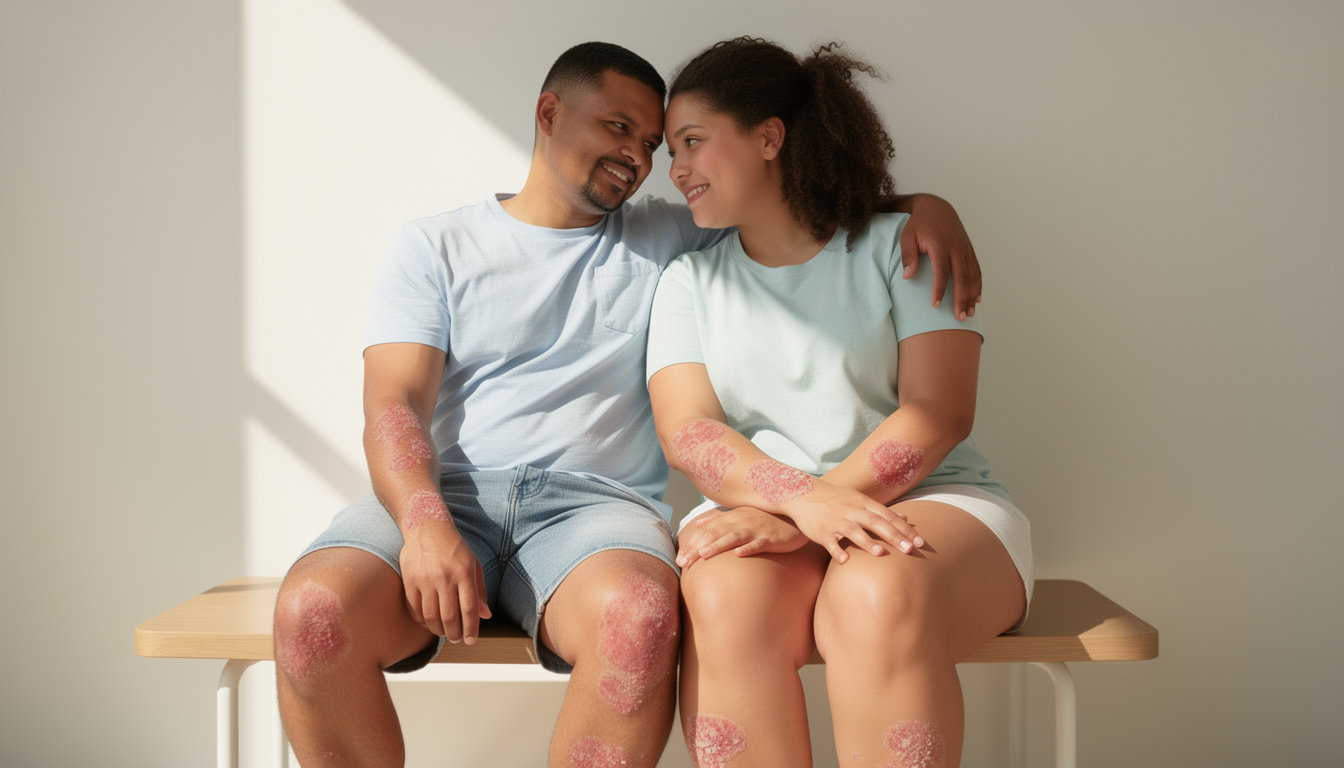
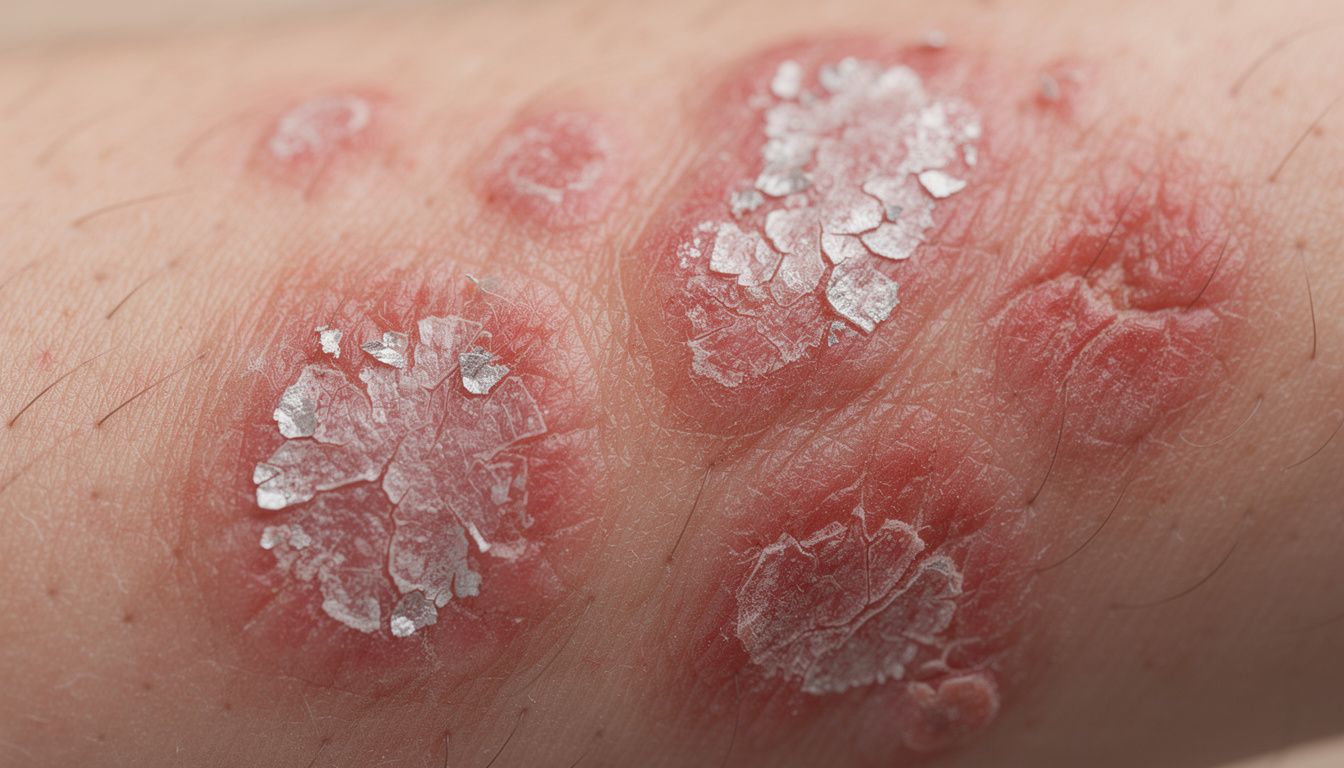
Psoriasis is caused by a runaway process of skin cell renewal. Instead of regenerating normally in 3 to 4 weeks, skin cells multiply within 4 to 5 days, causing a buildup in the form of thick white scales, especially on the scalp, elbows, and knees. These lesions often itch and can become a source of daily discomfort.
Contrary to what some imagine, this inflammatory disease is caused neither by a virus nor by a bacterium, ruling out any possibility of contagion through direct or indirect contact. Psoriasis is therefore an internal-origin problem, marked by chronic inflammation that sometimes also affects the joints.
Triggers and aggravating factors: why do some skins react more?
Everyone has genetic particularities that modulate the risk of developing this skin disorder. But for psoriasis to break out or worsen, a combination of environmental factors comes into play:
- Stress: known to accelerate flare-ups by exacerbating inflammation.
- Climate changes, especially cold and dry climates, which dry out the skin and amplify symptoms.
- Certain medications such as beta-blockers or lithium, which can precipitate a crisis.
- Infections such as streptococcal throat infections, capable of triggering specific flare-ups.
- Skin injuries: even a recent tattoo or an insect bite can trigger new lesions.
- Alcohol consumption and smoking: aggravating factors that also impair the response to treatment.
To better manage the manifestations of psoriasis, it is essential to identify these personal triggers. For example, after a tattoo, appropriate care can prevent complications, as explained in this dedicated article.
Psoriasis vs. misconceptions: untangling truth from falsehood in dermatology
In society, psoriasis is often misunderstood because of its visible appearance. This chronic disease is sometimes confused with contagious conditions, fueling rejection and stigma. Yet, it is essential to understand that psoriasis is not transmissible.
Celebrities like Kim Kardashian West have helped normalize the conversation around this disease by sharing their journeys and supporting awareness initiatives. This kind of commitment encourages knowledge sharing and the fight against misinformation.
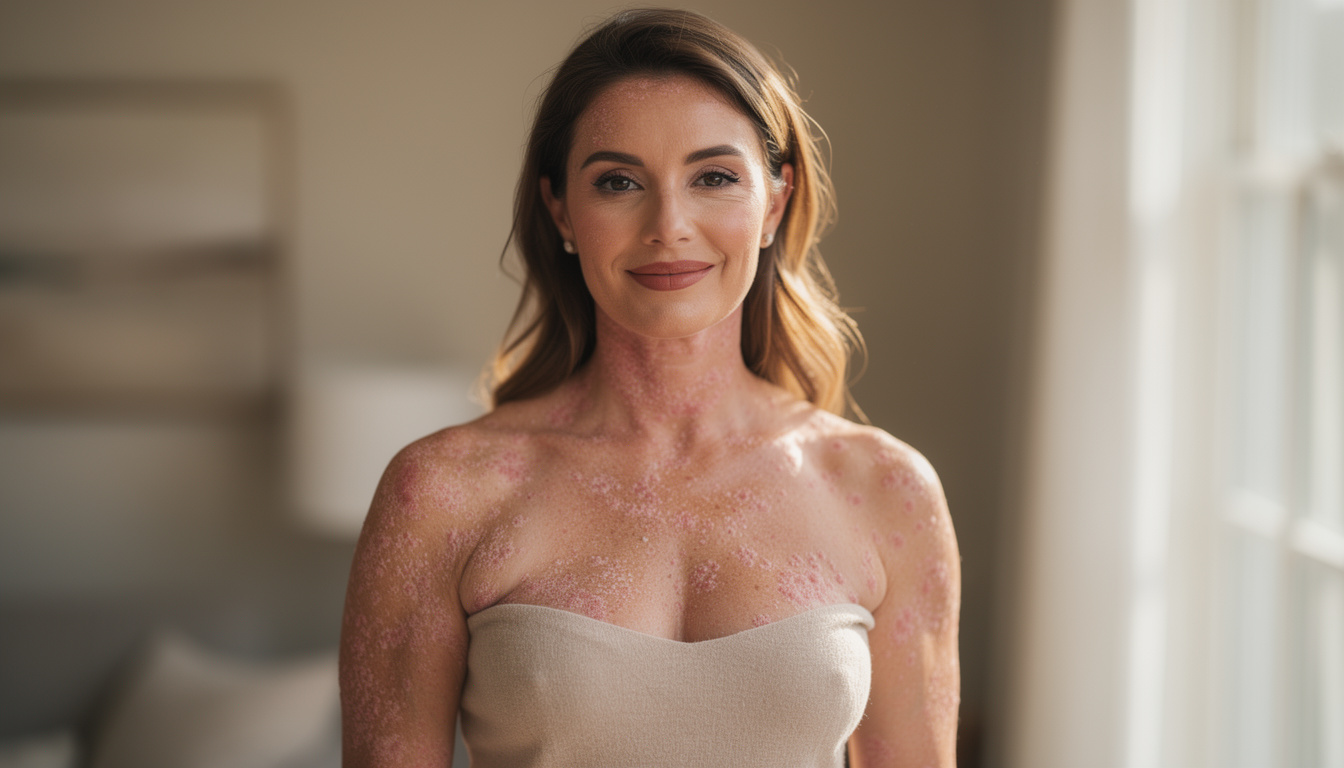
An immune disorder to distinguish from other skin problems
Psoriasis symptoms can sometimes resemble other dermatological conditions, notably eczema. Knowing how to differentiate them is essential for choosing the right treatment and adapting care. To enlighten you on these differences, you can consult our article on the variations between eczema and psoriasis.
Caring for your psoriasis-prone skin: soothing strategies and practical advice
To relieve symptoms such as itching and redness, it is recommended to adopt an appropriate routine: regular hydration, protection against the cold, stress management, and adopting a healthy lifestyle. Everyone can also benefit from personalized dermatological support, with treatments targeting inflammation and cell proliferation.
The goal is to maintain soothed skin while limiting inflammatory flare-ups. Understanding that psoriasis is not a contagious risk will likely help you live better with it and avoid social discomfort related to this complex disease.
- Identify your personal triggers and avoid them as much as possible.
- Apply daily hydration to prevent skin dryness.
- Manage stress through relaxation techniques or psychological support.
- Consult a dermatologist for treatment adapted to symptom severity.
- Avoid tobacco and limit alcohol consumption to improve treatment effectiveness.
- Post-tattoo care and protection of injured skin to limit flare-ups.