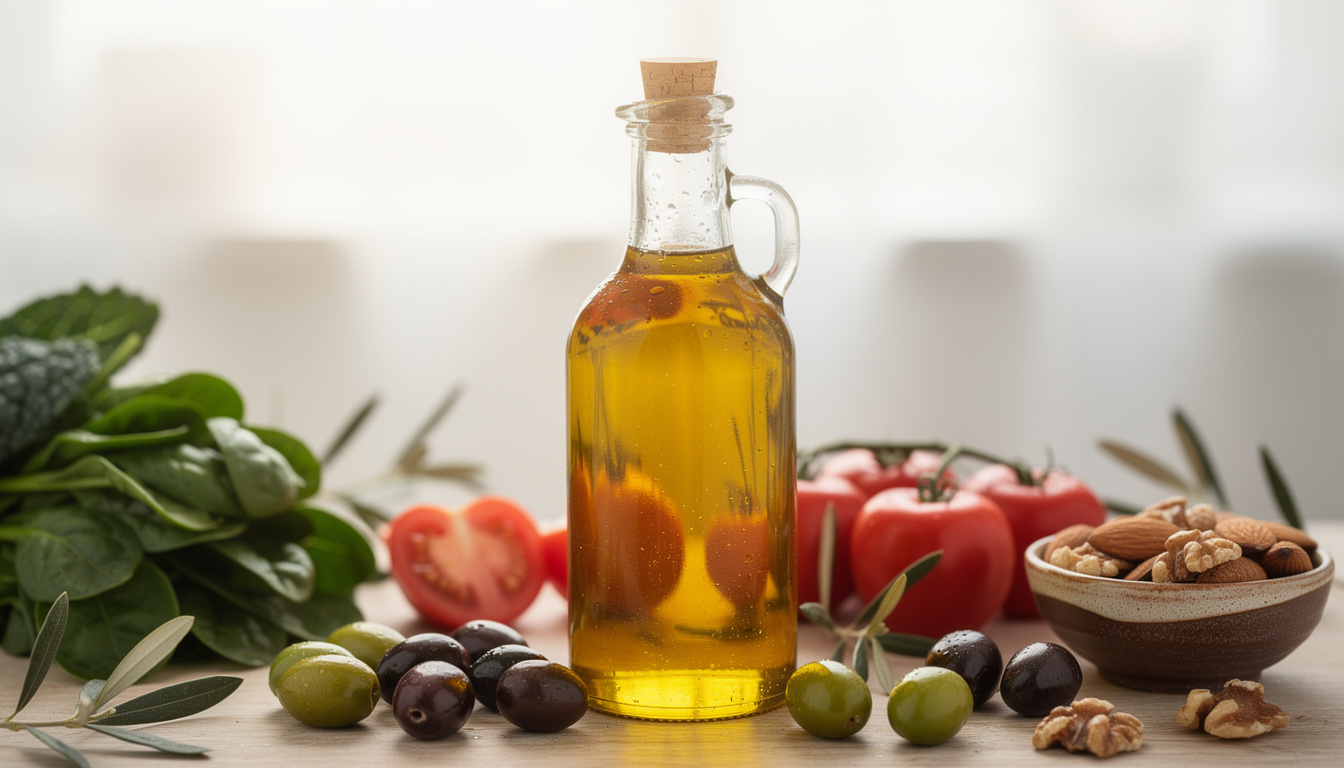
Olive oil, a fundamental ingredient of the Mediterranean diet, is widely recognized for its numerous health benefits, especially for cardiovascular health. Enriched with antioxidants, monounsaturated fatty acids, and specific compounds such as oleocanthal, this natural oil plays a complex role in heart prevention and inflammation regulation. However, some recent research suggests that excessive consumption could have less favorable effects on cholesterol, thus highlighting the importance of moderate and thoughtful use.
Olive oil: a valuable ally for preserving cardiovascular health
Considered an essential fat in a balanced diet, extra-virgin olive oil owes its reputation to its rich composition of monounsaturated fatty acids, mainly omega-9. These fats promote the reduction of bad cholesterol while maintaining good cholesterol levels, which improves blood fluidity and vessel health. The antioxidants it contains, such as polyphenols, create a shield against oxidative stress, an aggravating factor of cardiovascular diseases.
Adopting a diet including olive oil is thus a natural lever for heart prevention, complementing a healthy lifestyle. This nutritional profile has earned olive oil a place of choice in what is considered today, in 2026, the healthiest diet in the world: the Mediterranean diet.
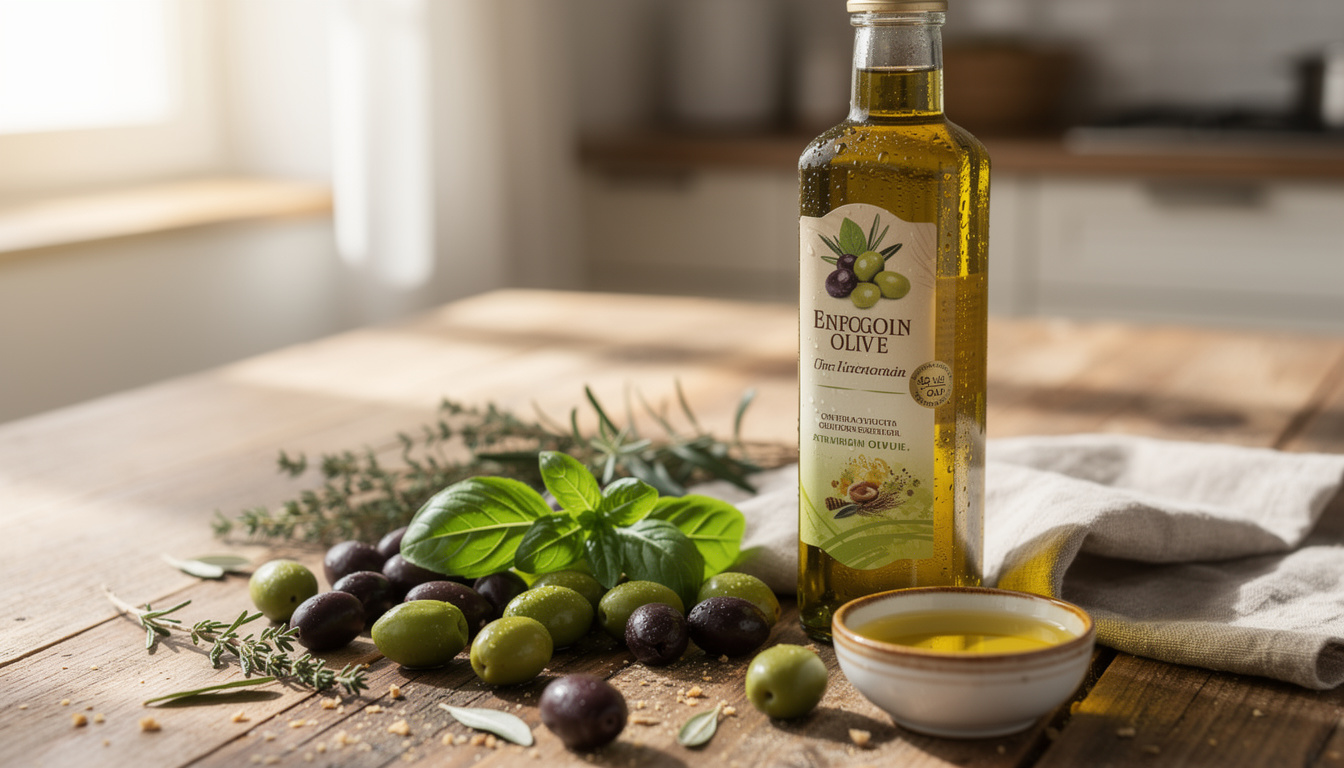
The unique anti-inflammatory virtues of extra-virgin olive oil
Extra-virgin olive oil stands out for its richness in anti-inflammatory compounds such as oleocanthal and oleuropein. These molecules offer an action close to certain medications by reducing silent inflammations, often involved in chronic diseases. Their soothing effect helps limit tensions at the cellular level, providing valuable support in a modern diet prone to excess and stress.
By integrating olive oil into the diet, one helps the body regain a healthier balance, conducive to preventing diseases linked to chronic inflammation.
How olive oil supports digestion and microbiota balance
Often underestimated, olive oil’s ability to facilitate digestion deserves to be highlighted. By stimulating bile production, it promotes smoother passage of food and helps prevent post-meal digestive discomfort. This gentle action also improves satiety sensations, which can be useful in avoiding overeating.
Furthermore, olive oil contributes to diversifying and enriching the intestinal flora, an essential condition for good immunity and strengthened overall health. Integrating olive oil into meals, for example by replacing heavier fats, thus improves the nutritional quality of the plate.
Moderate olive oil consumption to optimize its effects on cholesterol
Despite all these benefits, a recent study conducted by the University of Florida highlighted an unexpected phenomenon: excessive consumption of extra-virgin olive oil, particularly in a strictly plant-based diet, could increase LDL cholesterol levels (the “bad” cholesterol) and blood glucose levels, two risk factors for cardiovascular health.
Participants, all overweight adults at cardiac risk, received either a low amount of olive oil or a high amount (up to 4 tablespoons per day) over four weeks. Those who increased their olive oil intake observed a rise in these markers, reminding us that moderation remains key when it comes to diet.
| Aspect | Effect of extra-virgin olive oil | Practical advice |
|---|---|---|
| LDL Cholesterol | May increase in case of excessive consumption | Limit to about one to two tablespoons per day |
| Antioxidants | Protect against oxidative stress | Consume daily for lasting effect |
| Inflammation | Reduced thanks to oleocanthal and oleuropein | Combine with anti-inflammatory foods like turmeric |
| Digestion | Promotes bile secretion and satiety | Incorporate into sauces, salads, and gentle cooking |
Practical uses and advice for integrating olive oil daily
Here are some suggestions to fully enjoy the benefits of olive oil while avoiding overuse:
- Dress your salads and raw vegetables with one to two tablespoons of extra-virgin olive oil.
- Use it for gentle cooking to preserve its nutritional qualities.
- Add a touch of olive oil to your hot dishes just before serving.
- Replace more saturated fats (butter, margarine) with olive oil.
A judicious balance in its use allows benefiting from its protective effects while avoiding the pitfalls of excessive consumption.
{“@context”:”https://schema.org”,”@type”:”FAQPage”,”mainEntity”:[{“@type”:”Question”,”name”:”What amount of extra-virgin olive oil is recommended per day?”,”acceptedAnswer”:{“@type”:”Answer”,”text”:”It is recommended to consume about one to two tablespoons of extra-virgin olive oil per day to benefit from its effects without risking an increase in cholesterol.”}},{“@type”:”Question”,”name”:”Is olive oil effective against inflammation?”,”acceptedAnswer”:{“@type”:”Answer”,”text”:”Yes, thanks to its richness in oleocanthal and oleuropein, extra-virgin olive oil has recognized anti-inflammatory properties that help reduce chronic inflammation.”}},{“@type”:”Question”,”name”:”Can olive oil be used for high-temperature cooking?”,”acceptedAnswer”:{“@type”:”Answer”,”text”:”Extra-virgin olive oil is stable for gentle cooking but it is preferable to avoid very high temperatures to preserve its antioxidants and prevent the formation of undesirable compounds.”}},{“@type”:”Question”,”name”:”What other foods promote cardiovascular health?”,”acceptedAnswer”:{“@type”:”Answer”,”text”:”The Mediterranean diet notably includes vegetables, fruits, whole grains, nuts, and legumes—foods rich in fiber and antioxidants that work synergistically to protect the heart.”}},{“@type”:”Question”,”name”:”Can olive oil help digestion?”,”acceptedAnswer”:{“@type”:”Answer”,”text”:”Yes, it stimulates bile production and helps regulate transit, also providing a sensation of satiety that can support a balanced diet.”}}]}What amount of extra-virgin olive oil is recommended per day?
It is recommended to consume about one to two tablespoons of extra-virgin olive oil per day to benefit from its effects without risking an increase in cholesterol.
Is olive oil effective against inflammation?
Yes, thanks to its richness in oleocanthal and oleuropein, extra-virgin olive oil has recognized anti-inflammatory properties that help reduce chronic inflammation.
Can olive oil be used for high-temperature cooking?
Extra-virgin olive oil is stable for gentle cooking but it is preferable to avoid very high temperatures to preserve its antioxidants and prevent the formation of undesirable compounds.
What other foods promote cardiovascular health?
The Mediterranean diet notably includes vegetables, fruits, whole grains, nuts, and legumes—foods rich in fiber and antioxidants that work synergistically to protect the heart.
Can olive oil help digestion?
Yes, it stimulates bile production and helps regulate transit, also providing a sensation of satiety that can support a balanced diet.