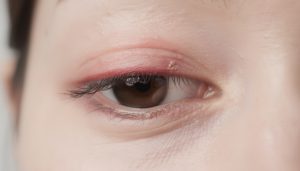
Understanding Allergic Skin Reactions: Mechanisms and Triggers
An allergic skin reaction is an excessive and inappropriate response of the immune system to a normally harmless substance. This hypersensitivity manifests itself through various allergic signs, often visible, such as redness, itching, or swelling. To better understand this situation, let’s explore how the immune system reacts and what the main culprits are behind these reactions. The immune system, armed with antibodies and specialized cells like mast cells, mobilizes to defend the body against foreign substances (antigens). In some people, this defense malfunctions and mistakenly interprets common substances—dust, pollen, or even certain cosmetics—as a threat. This sensitization can evolve over time: for example, a woman may tolerate nickel jewelry for years before developing allergic eczema. Inhaled agents: pollen, dust mite droppings, air pollution Substances in contact with the skin: latex, nickel, perfumes, cosmetics, topically applied medications Foods:nuts, peanuts, shellfish, cow’s milk Venoms:insect stings or animal bites Physical stimuli: sunlight (summer light eruption), cold, heat Skin allergies represent a significant proportion of allergies in general, with nearly 30% of the French population affected by at least one form of allergy by 2025. This phenomenon is explained by environmental changes and our lifestyles, including a context of global warming and increased exposure to pollutants.Common forms of allergic skin reactions: eczema and urticaria
Among the most frequent manifestations of a skin allergyare
- allergic eczema and
- urticaria These are the most typical. These two reactions have different mechanisms and manifestations that each person can recognize with a little attention.
- Allergic eczema (contact eczema): generally occurs within 48 hours of exposure to the allergen. The skin becomes red, dry, and develops poorly defined patches. Small fluid-filled blisters may appear, sometimes developing into scabs. This inflammation results from the release of histamine and other pro-inflammatory substances.
- Allergic urticaria: manifests more rapidly, often within an hour of contact. It is characterized by swollen papules, with intense itching and sometimes systemic involvement (swelling of the airways, malaise). The risk of anaphylactic shock, although rare, requires particular vigilance.
- Recognizing these allergic signs
is crucial for adapting the course of action and preventing the escalation of reactions.
Main causes of allergies: identifying triggers for better management Determining the cause of an allergy is often a challenge because the substances involved are varied. However, identifying the allergen helps prevent repeated reactions and limit daily discomfort.Metals:Nickel, found in jewelry, clothing buttons, and accessories, is the main cause of contact dermatitis. Cosmetics:Perfumes, hair dyes, deodorants, and makeup can contain allergens. Topical medications:
- Ointments or dressings can cause allergies in cases of sensitivity. Food allergens:
- Peanuts, eggs, milk, tree nuts, and fish can sometimes cause allergic urticaria. Professional products:
Chemicals used in hairdressing, construction, and cleaning are among the frequent sources. Latex: Contact with gloves or condoms can trigger severe urticaria.
Physical allergies, such as polymorphic light eruption (PLE), also warrant attention, particularly in individuals sensitive to early sun exposure. All these causes, combined or isolated, create a complex allergic landscape.
Allergic skin signs: recognizing the symptoms for prompt treatment The skin manifestations of an allergic reaction are often easy to observe and include: Redness and localized or widespread irritated patches
- Intense, sometimes unbearable, itching Swelling of tissues, sometimes with a burning sensation
- Small vesicles or oozing blisters in the case of eczema Rapid appearance of raised papules and hives
- Another important aspect is the evolution of the symptoms: while hives tend to disappear within 24 hours, eczema can spread and persist for several days. Agitation or general malaise should be a particular cause for concern, signaling a possible progression to anaphylactic shock. Responding effectively to a skin allergic reaction
- When faced with a skin allergic reaction, the first step is to consult a healthcare professional. A dermatologist
- or an allergist
- will make an accurate diagnosis through a complete clinical examination and, if necessary, specific tests (prick test or blood test for immunoglobulin E). Comprehensive assessment:
context, duration, intensity of symptoms, and triggering factors
Skin tests:
to identify the responsible allergen Blood tests: measurement of specific antibodies
- Once the allergen is identified, the proposed treatment
- is tailored to the nature and severity of the symptoms: Antihistamines:
- often second-generation, to soothe itching and the inflammatory reaction Topical corticosteroids:
- ointments to quickly reduce eczema inflammation Complementary care:
- Thick moisturizing creams to restore the skin barrier Beyond treatment, prevention remains key to limiting skin allergic reactions:
Avoid contact with identified allergens Always test new products on a small area of skin
Choose hypoallergenic products, free of harsh perfumes and preservatives
Adopt gentle washing habits and avoid excessive exposure to pollen