Affecting nearly one-fifth of the French population at least once in their lifetime, urticaria, or cutaneous urticaria, is an inflammation characterized by red welts and often debilitating itching. Whether you experience an acute flare-up or a chronic form, this condition can seriously disrupt your daily life. Thanks to recent therapeutic advances, particularly in 2024, solutions are becoming more diverse and personalized. Discover here everything you need to know to recognize, understand, and better manage urticaria.
Cutaneous Urticaria: Understanding its Symptoms and Key Triggers
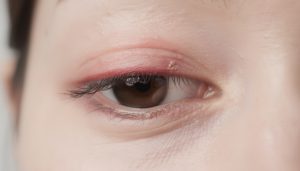
Urticaria manifests as the sudden appearance of raised, intensely itchy, red papules, reminiscent of the frustrating sensation of nettle stings. These lesions typically appear and disappear within a few hours, changing location and potentially recurring.
The flare-up is triggered by a massive release of histamine by specific skin cells, mast cells, in reaction to various irritants. Allergic triggers:
- Foods (nuts, eggs, chocolate), medications (aspirin, antibiotics), pollen, or contact with certain materials.
- Non-allergic factors:
- Stress, skin friction, cold, heat, or prolonged pressure, as well as certain hormonal changes.
Specific forms:

Physical urticaria (to cold or pressure), adrenergic urticaria linked to emotional stress.
Identifying these personal factors remains key to limiting the frequency of attacks.
- Discover the essentials about cutaneous urticaria: causes, symptoms, treatments, and tips to effectively relieve itching and prevent recurrences.
- How to differentiate between superficial and deep urticaria?
Superficial urticaria is characterized by fleeting red welts that last no more than 24 hours and leave no trace. It is often accompanied by intense, itchy rash.
- Conversely, deep urticaria, which is rarer, manifests as painful and persistent swelling, sometimes affecting the mucous membranes. In extreme cases, it can develop into angioedema, a life-threatening emergency where swelling of the throat and face requires immediate intervention. Warning signs that should never be ignored: difficulty breathing, a feeling of suffocation, persistent swelling of the face or neck.
- Prompt emergency room consultation is essential in case of suspected anaphylactic shock. Forms of urticaria: acute, chronic, and recurrent – knowing how to recognize your condition
- There are three main forms of urticaria: Acute urticaria: sudden and isolated attacks, often linked to an allergy or infection. They generally last less than six weeks. Chronic urticaria
: persistent outbreaks lasting more than six weeks, potentially extending over several years. It represents a real daily challenge and occurs spontaneously in 70% of cases.

: repeated but spaced-out outbreaks, sometimes linked to an identifiable trigger.
This classification is essential for guiding the most appropriate treatment. Women between 30 and 50 years old are particularly affected by chronic forms. Discover the essentials about cutaneous urticaria: causes, symptoms, treatments, and tips for living better with this common dermatological condition.
- The psychological and social impacts of chronic urticaria
- Beyond physical discomfort, chronic urticaria can cause anxiety, sleep disturbances, and social isolation.
- The skin, a visible organ, often reveals a vulnerability that is difficult to live with on a daily basis, disrupting self-esteem and professional relationships.
Nearly 40% of patients report significant emotional distress.
Coping strategies such as keeping a symptom diary or joining support groups are strongly recommended.Psychological support is sometimes necessary to better cope with this condition. Current treatments and promising innovations for cutaneous urticaria
- Treatment is based primarily on eliminating triggering factors when they are identified. In parallel, here are the classic and new drug treatments:Second-generation H1 antihistamines : such as cetirizine (Zyrtec),loratadine (Clarityne)
- , or
- acebilastin (Aerius) , these medications significantly relieve itching and are only slightly sedating.
- Resistant forms: Increase the dose of antihistamines up to four times the initial dose, according to recent recommendations.
- Omalizumab (Xolair): A revolutionary monthly injectable treatment, particularly effective in severe chronic urticaria. Corticosteroids for short courses during severe acute flare-ups; to be avoided long-term.New molecules in development: remibrutinib, dupilumab, and rilzabrutinib offer hope for resistant cases.
In addition, it is advisable to use gentle skincare products, particularly those from the Eucerin,La Roche-Posay, or Avene ranges, which respect the skin barrier. Opt for lukewarm showers and superfatted soaps to limit irritation.Wear clothing made of natural fibers to reduce friction.
- Use moisturizing creams regularly to soothe the skin. Specialized skincare products like those from
- Urgo
- are also useful in cases of lesions caused by scratching.
Digital management: how mobile applications are revolutionizing patient monitoringPatients now benefit from powerful digital tools that enable real-time monitoring, trigger identification, and better treatment adjustments. These solutions, incorporating artificial intelligence, make life easier with this disease, which is often characterized by unpredictable flare-ups.
Daily symptom monitoring
Personalized alerts before the risk of an attack
- Simplified communication with the medical team
- Taking daily steps to soothe hives and limit their impact
- Beyond treatments, adopting a few simple habits can significantly improve quality of life:
Avoid excessively hot and prolonged showers
Choose soft, loose-fitting fabrics, such as cotton
- Maintain good hydration with appropriate creams
- Reduce stress through relaxation techniques, yoga, or meditation
- Keep a food diary if food sensitivity is suspected
- Avoid alcohol, which often worsens itching
- Prioritizing information and open communication about the condition opens the door to better support from family and medical professionals.
- When should you consult a doctor for hives? Emergency Signs and Regular Medical Follow-up
It is essential to consult a doctor immediately if you experience:
Severe swelling of the face, lips, or throat
Difficulty breathing or swallowing
- Dizziness or severe discomfort
- For hives that persist beyond six weeks, a medical appointment is necessary to adjust the treatment and investigate any underlying causes. In children, particular attention should be paid to any associated symptoms.
Finally, as treatments have improved significantly, the overall prognosis remains favorable, especially thanks to good collaboration between the patient and healthcare professional.