Understanding Xerosis Cutis: A Common Disorder of Dry Skin
Xerosis cutis, also known as dry skin, is a common dermatological condition affecting both young and elderly people. It is characterized by a significant loss of skin hydration, linked to an alteration of the skin barrier. This failure prevents the skin from retaining water, causing sensations of tightness, itching, and even painful cracks. Understanding its mechanisms allows adopting the right skin care suited to restore comfort and suppleness.

Clinical manifestations of xerosis cutis: symptoms and sensations
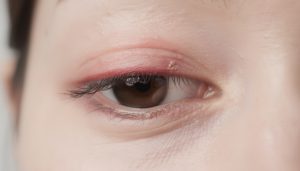
The visible signs of this syndrome include desquamation, that is, scaling or the loss of small flakes, a rough texture to the touch, as well as redness and inflammation. Severe dryness can lead to sometimes deep fissures, increasing the risk of infection. On the sensory level, affected individuals often report intense pruritus, sensations of tightness after washing, and sometimes a slight burning or tingling of the skin.
These manifestations vary depending on the individual and affected body areas, but they clearly impact quality of life by causing discomfort and anxiety. It is essential to recognize these symptoms early to act on the causes.
Environmental factors and lifestyles: why does the skin dehydrate?
Xerosis cutis often results from a complex interaction between external and internal causes. Among the most influential environmental factors are prolonged exposure to cold, dry air, or sun, which damages the skin and weakens its protective barrier. Also, habits such as frequent hot water baths or showers with irritating soaps contribute to the removal of natural oils essential for hydration.
Choices in skin care play a crucial role. The use of products containing alcohol or artificial fragrances, often overlooked, can worsen dryness and irritate the most sensitive skin types. Furthermore, an unbalanced diet, low in essential fatty acids, and insufficient water intake weaken the skin’s natural ability to stay hydrated from within.

Underlying medical causes that can lead to xerosis cutis
Beyond environmental context, certain conditions such as eczema, psoriasis, or diabetes affect skin function. For example, diabetes can impair blood circulation, reducing the supply of essential nutrients to the skin. Similarly, hypothyroidism decreases sebum and sweat production, increasing dryness.
There are also specific and more severe forms of xerosis, such as ichthyosis, which cause significant scaling and skin thickening, or asteatotic eczema characterized by a cracked and inflamed appearance of the skin. Finally, sénile xerosis particularly affects the elderly, whose ability to retain water in the skin naturally decreases over time.
Diagnostic approach in dermatology for dry skin
The diagnosis of xerosis cutis primarily relies on a thorough clinical examination performed by a dermatology specialist. The physician collects medical history as well as details about symptoms, their duration, but also daily habits and environmental conditions. In some cases, additional tests are necessary to rule out other skin or metabolic diseases.
This step is crucial to guide treatment towards specific causes and best adapt the recommended care.
How to effectively treat xerosis cutis: practical advice and adapted care
To restore hydration and strengthen the skin barrier, the use of moisturizers and emollients is essential. These products not only restore skin water balance but also create a protective layer that prevents future dehydration. Some more severe cases sometimes require the prescription of topical steroids or specialized creams containing agents like urea or lactic acid, which promote skin suppleness and gentle exfoliation.
It is also advisable to adopt a gentle care routine:
- Prefer cleansers without fragrance or alcohol to limit irritation.
- Use lukewarm rather than hot water to preserve the hydrolipidic film.
- Regularly apply a moisturizing cream, especially after bathing, to lock water into the skin.
- Protect the skin from cold and wind by wearing suitable clothing like gloves or scarves.
- Increase water intake and adopt a diet rich in omega-3, vitamins, and antioxidants.
Finally, in particularly dry environments, the use of air humidifiers helps limit skin dehydration.
To go further: understanding differences with other skin disorders
Xerosis cutis can sometimes be confused with other scaly skin conditions such as psoriasis or dermatitis. A precise clinical analysis allows tailoring treatment solutions. Thanks to recent advances in dermatology, in 2025 the available options to treat dry skin are more numerous and targeted, ensuring better quality of life for patients.