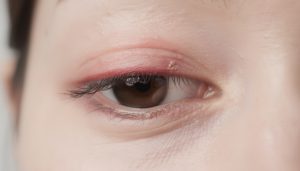
Facial Herpes: Understanding the Causes of the Herpes Simplex Virus
Facial herpes is a common viral infection caused primarily by the herpes simplex virus type 1 (HSV-1). This highly contagious virus is easily transmitted through direct skin-to-skin contact or the saliva of an infected person. More than 64% of people under 50 carry HSV-1, often without knowing it. The virus remains dormant in the body and can reactivate, causing visible and sometimes painful symptoms. Transmission occurs through direct oral contact or the sharing of contaminated objects. Activation occurs when the immune system is weakened. Triggering factors include stress, fever, sun exposure, and menstruation.It often presents as cold sores on the lips. The different types of facial herpes and their manifestations: The herpes simplex virus can cause several forms of facial herpes:Cold sores (or herpes labialis): small, painful blisters clustered around the lips, often accompanied by tingling and burning sensations.
- Ocular herpes: lesions and redness around the eye that can cause intense herpetic pain and even lead to vision loss if not treated promptly.
- Tyrcosis: a rarer form of fungal origin, resembling herpes, with circular lesions on the skin of the face. In infants, facial herpes often manifests as gingivostomatitis, characterized by red gums, oral blisters, and fever.
- The diversity of symptoms and their location necessitate careful attention for accurate diagnosis.
- Signs of facial herpes: how to identify skin lesions and associated symptoms
Recognizing the characteristic signs of facial herpes quickly helps limit the pain and spread of infection. The first warning signs are often abnormal sensations on the skin:
Tingling, burning, or itching localized around the mouth or nose Appearance of clusters of small, clear, fluid-filled blisters Lesions that develop into scabs before healing
- Herpetic pain, often present and of varying intensity Swollen lymph nodes under the chin, a sign of immune system activity
- In some cases, fever and general malaise accompany outbreaks When herpes appears on the nose or near the nostrils, it can cause additional symptoms such as a stuffy nose or a feeling of shortness of breath.
- Skin lesions and the natural progression of facial herpes The initial lesion of a cold sore appears as a cluster of small blisters containing clear fluid. This fluid can easily spread to other parts of the face (especially the eyes) through hand contact. The healing phase is marked by the formation of a scab, followed by gradual healing over about ten days.
Avoid touching or scratching the lesions to prevent the spread.
Maintain rigorous hand and skin hygiene.
Limit sun exposure to prevent recurrences on already fragile skin.
- Facial herpes treatment: tips to alleviate symptoms and limit recurrences.
- Although cold sores often heal spontaneously, several measures are recommended to relieve herpetic pain, accelerate the healing of skin lesions, and reduce the risk of transmission:
- Taking antiviral medications prescribed by a doctor, such as valacyclovir, to block viral replication.
- Apply antiseptics topically to disinfect the lesions.
- Use paracetamol or anti-inflammatories to relieve pain and fever.
- Avoid close contact with others during an outbreak. Carefully protect the affected area from sun exposure to avoid triggers. Maintain rigorous hygiene to prevent contamination of other sensitive areas such as the eyes.
In cases of frequent recurrences, preventive antiviral treatment may be considered to limit their frequency and severity.