Boil: Understanding the Origin of This Skin Infection
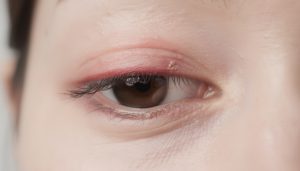
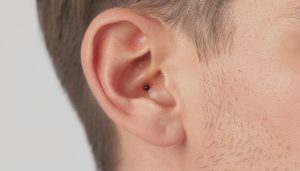
A boil is much more than just an unsightly pimple. This skin infection results from the proliferation of bacteria, mainly Staphylococcus aureus, which attacks deeply the hair follicle – the cavity where the hair grows. Unlike a classic pimple, a boil appears as a red, inflamed, and painful area that develops into a pustule containing pus.
Furunculosis refers to the repeated occurrence of these boils on several areas of the skin over a prolonged period. This condition can become particularly unpleasant and require rapid medical management. Learning to recognize, soothe, and prevent furunculosis is essential to effectively manage this pathology.

Main Causes of the Boil: A Fight Against Staphylococcal Bacteria
The starting point of a boil is often a small entry point in the skin, such as a minor wound or an insect bite. These lesions promote the infiltration of bacteria, especially those of the Staphylococcus genus. They release toxins that destroy the hair follicle, leading to the formation of purulent tissue called a carbuncle.
Several factors can encourage the appearance and recurrence of boils:
- Insufficient hygiene or contact with contaminated clothes or bedding
- Skin frequently subjected to friction, in rubbing areas such as the armpits, neck, or thighs
- Excessive sweating, especially under tight clothing
- Conditions such as diabetes, obesity, or immune system disorders weakening natural defenses
- Prolonged use of corticosteroids or certain dermatological treatments
The combination of these factors creates a favorable environment for the emergence of a boil, and in the case of their repetition, for chronic furunculosis.
Recognizing the Characteristic Signs to Act Quickly Against the Boil
The boil announces itself progressively. It all begins with a small red bump around a hair, firm to the touch and often very painful. The inflammation increases, the area becomes warm and sensitive. At this stage, the pain can quickly affect quality of life, limiting movement or causing constant discomfort.
When the boil matures, it fills with pus, visible at the center as a white head. It may then spontaneously burst, evacuating the purulent content, before leaving a red crater at the evacuated follicle site.
The most affected areas are those where the skin often contacts or sweats, such as:
- The face, particularly under the beard in men
- The neck and scalp
- The armpits and skin folds
- The buttocks and upper thighs
It is essential to distinguish a boil from other similar skin infections, such as acne or an abscess, because their management differs considerably.

Treatment and Prevention: Better Managing Furunculosis to Avoid Complications and Recurrences
If a boil is well identified from the first signs, it is often possible to treat it effectively without major complications. Daily hygiene care, regular application of antiseptics, often based on chlorhexidine, and warm compresses facilitate pus drainage and healing.
In more severe cases or if the boil becomes large, a healthcare professional may perform an incision to evacuate the carbuncle and prescribe targeted antibiotic treatment when the infection becomes complicated.
To fight against furunculosis, several measures are necessary:
- Strengthen personal hygiene, with regular washing and rigorous maintenance of clothing and bedding
- Avoid dry shaving and skin irritations
- Maintain a balanced diet and support an efficient immune system
- Avoid contact with lesions and do not self-drain boils
- Consult promptly in case of intense pain, fever, or rapid spreading of the infection
Uncontrolled furunculosis can lead to serious complications, from a painful abscess to deeper infections such as septicemia. In extreme cases, certain rare forms require immediate hospital care.
To learn more about tips to naturally soothe a boil or limit recurrences, feel free to consult our dedicated article at this specialized link.