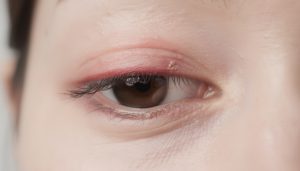
Skin Depigmentation: Understanding the Causes and Mechanisms
Skin depigmentation is characterized by a partial or total loss of the natural pigment called melanin. This pigment is essential because it gives our skin its unique color and plays a protective role against the sun’s ultraviolet rays. While some individuals have darker areas of skin, a phenomenon known as hyperpigmentation, others develop lighter or white patches due to a decrease or even absence of melanin. This latter situation corresponds to depigmentation and raises many legitimate questions.Genetic Origin: Some depigmentations are congenital, such as albinism, which affects melanin production from birth.
Acquired Factors: Prolonged sun exposure, autoimmune diseases such as vitiligo, stress, or medical treatments can lead to depigmentation. Clinical Consequence: These depigmented areas create sharp contrasts with the rest of the skin, which is often more sensitive to external aggressors.Differentiating between Hypopigmentation and Depigmentation: Essential NuancesIt is important to distinguish between two pigmentary phenomena:
- Hypopigmentation: Skin lightening due to reduced melanin production without the complete disappearance of melanocytes. Depigmentation: Complete loss of melanin, often caused by the destruction of melanocytes, as in vitiligo.
- These distinctions help to tailor treatments and anticipate dermatological follow-up. What are the risks associated with skin depigmentation?
- Depigmentation is not limited to a simple aesthetic change. It impacts the skin’s tolerance to external aggressors: Increased fragility: The absence of melanin means less natural protection against UV rays, with a high risk of sunburn.
Sun protection is essential.
It is essential to apply sunscreen daily, with an SPF of at least 30, especially on depigmented areas.
- Psychological support: This visible alteration can profoundly impact self-esteem and generate significant emotional distress.
- Adopting a comprehensive routine combining protection, appropriate skincare, and emotional support improves the quality of life for those affected. Preventive measures for healthy skin: It is crucial to implement simple steps to preserve the health and evenness of your skin: Rigorous sun protection: Choose recognized dermo-cosmetic brands such as Topicrem, Ducray, and La Roche-Posay, which offer UV filters suitable for sensitive or depigmented skin.Moisturizing and nourishing skincare: Use ranges like Eucerin, SVR, and Bioderma to strengthen the skin barrier. Dermatological consultation: essential for an accurate diagnosis and the development of a suitable treatment plan, particularly in cases of vitiligo or extensive depigmentation.
What treatments and care are available to reduce skin depigmentation?
Dermatological advances now offer several options to improve the appearance of depigmented skin:
Targeted dermocosmetic products: for example, Nuhanciam and MelaDerm offer anti-dark spot treatments that address pigmentation contrasts.
- Suitable day creams: an anti-dark spot day cream with built-in SPF 30 protection, such as the HRB-3 Anti-Dark Spot Day Cream, combines correction and protection against UV rays. Repairing nighttime routine: the HRB-3 Anti-Dark Spot Night Cream promotes regeneration and reduces marks while you sleep. Medical treatments: In some cases, phototherapy or topical corticosteroid creams may be prescribed, always under medical supervision.
- These options, combined with a healthy lifestyle, often lead to a visible improvement in complexion while protecting fragile skin.
- Practical tips for an optimal daily routine: Always apply sunscreen, even on cloudy days.
Use fragrance-free and allergen-free products to minimize skin reactions.
Incorporate antioxidant-rich moisturizers from brands like
Caudalie
- and Biolissime to support skin vitality.Avoid prolonged sun exposure, especially during the hottest hours.