Understanding Allergic Conjunctivitis: A Common Eye Inflammation
Allergic conjunctivitis is an inflammatory reaction affecting the conjunctiva, the thin membrane that covers the inner surface of the eyelids and the white part of the eye. In sensitive individuals, exposure to an allergen triggers inflammation manifested by a series of unpleasant but reversible symptoms. In 2026, this condition remains one of the major causes of ophthalmology consultations, especially in spring, during the surge of airborne pollens.
Allergens Responsible for Eye Allergies
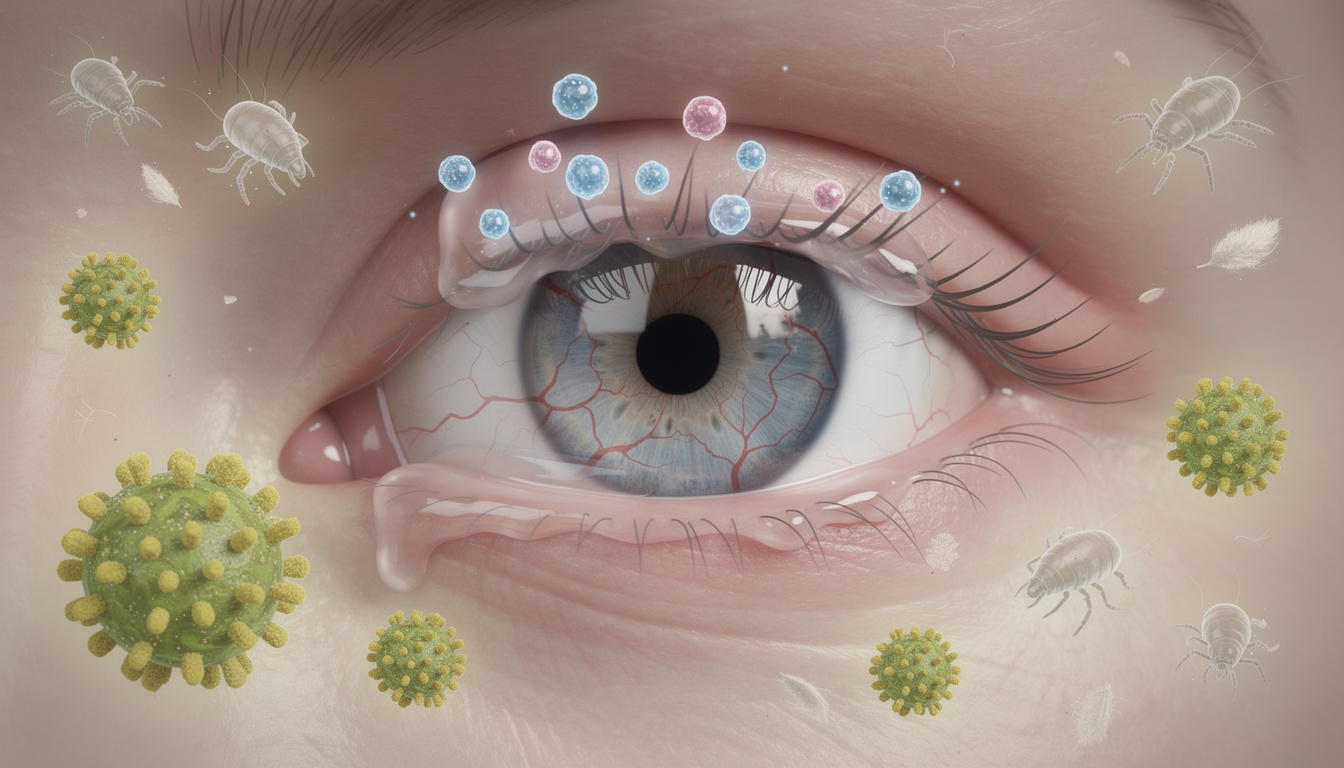
The allergens most frequently involved in the occurrence of allergic conjunctivitis are natural and varied. Pollens from trees, herbaceous plants, and grasses rank first, often responsible for seasonal flare-ups. However, indoor allergens such as dust mites, animal hair, or even certain cosmetics applied on the eyelids can provoke a so-called perennial conjunctivitis, persistent throughout the year. It is also important to note that preservatives present in some eye drops or contact lens cleaning products can cause a local contact allergy.
Symptoms of Allergic Conjunctivitis: How to Recognize Eye Allergy?
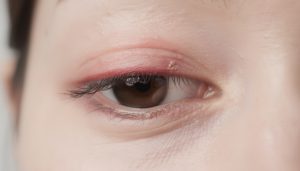
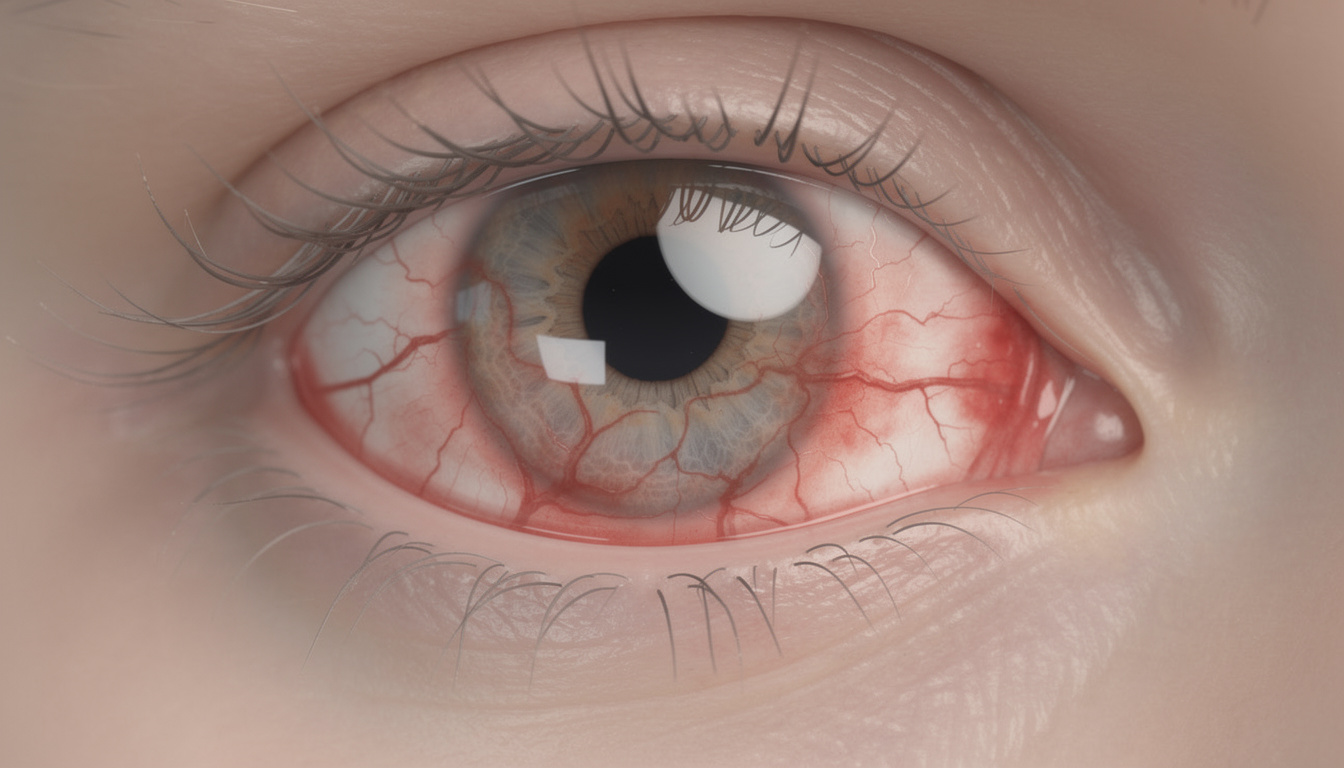
The clinical diagnosis relies on careful observation of several characteristic signs. Diffuse ocular redness, accompanied by intense tearing, are obvious symptoms. The eyes often become irritated, and the patient regularly complains of persistent eye itching. Swelling of the eyelids also develops, sometimes accompanied by tingling sensations or a sandy feeling under the eyelids.
These manifestations generally affect both eyes, which is a valuable clue to differentiate allergic conjunctivitis from bacterial or viral conjunctivitis, where one eye is often favored at the onset.
Distinguishing Allergic, Viral, and Bacterial Conjunctivitis
It is essential to differentiate allergic conjunctivitis from other forms to adopt appropriate treatment:
- Viral conjunctivitis is contagious, often associated with a cold. Ocular secretions are clear and watery, and both eyes may be quickly affected.
- Bacterial conjunctivitis generally starts in one eye, with thick and purulent secretions that stick the eyelids together, especially upon waking.
- Allergic conjunctivitis, meanwhile, manifests by intense tearing, diffuse ocular redness, and especially pronounced eye itching, affecting both eyes simultaneously.
When conjunctivitis is suspected to be allergic but symptoms persist, an evaluation by an allergist remains the best way to precisely identify the responsible allergen and consider personalized management.
Main Causes and Triggering Factors of Allergic Conjunctivitis
Contact of the conjunctiva with various types of allergens triggers an excessive immune reaction. The central role of histamine in this process causes dilation of blood vessels, leading to redness, swelling, and watery secretions. Among the most common causes:
- The presence of pollens in the air, especially in spring or summer, responsible for many seasonal eye allergies.
- Dust mites and animal dander, major factors in persistent or perennial conjunctivitis.
- Cosmetics and makeup products applied on the eyelids that can cause contact allergic conjunctivitis.
- Preservatives in eye drops or contact lens cleaning solutions, often underestimated as sources of allergy.
It is important to keep in mind that some environmental factors, such as dust or tobacco smoke, worsen eye irritation and can facilitate the onset of conjunctivitis.
Allergic Conjunctivitis and Eye Hygiene
When facing an episode of allergic conjunctivitis, adapting an eye hygiene routine is essential. Using cold compresses to soothe eye irritation, avoiding rubbing the eyes in response to intense itching, and limiting exposure to allergens as much as possible are effective initial measures.
In case of contact lens use, it is recommended to favor specific solutions and maintain rigorous hygiene to prevent the onset or worsening of inflammation.
Treatments and Practical Advice to Soothe Allergic Conjunctivitis
When allergic conjunctivitis is diagnosed, antihistamine or decongestant eye drops are generally prescribed to quickly relieve symptoms. In severe cases, local corticosteroids can be used but under strict medical supervision due to potential side effects.
Since 2026, Ketotifen is available as an over-the-counter eye drop, providing an accessible solution to calm moderate inflammation.
- Avoid exposure to identified allergens, especially limiting outdoor activities during peak pollen seasons.
- Temporarily stop eye makeup to avoid worsening the allergic reaction.
- Adopt strict eyelid hygiene and regularly wash the face with suitable solutions.
- Consult an allergist to consider desensitization if episodes are chronic.
Finally, vigilance remains necessary regarding cosmetics or eye drops, as they can sometimes be the source of contact allergy. Stopping these at the slightest suspicion is often enough to resolve the inflammation.