EMultiple erythema: understanding the underlying causes of this skin reaction
EMultiple erythema is an inflammatory allergic reaction that affects the skin with a frequency of 1 to 5 cases per 100,000 inhabitants each year in France. This condition manifests as very characteristic skin lesions, notably red spots of multiple shapes, often target-like, recalling a complex and polymorphic reaction of the immune system.
The main identified cause is infection, particularly by the herpes simplex virus, responsible for more than half of the recurrent cases. Other infectious agents like certain viruses, bacteria, or even parasites depending on the region, can be involved. Medications, notably certain antibiotics and anti-inflammatories, also constitute a frequent cause, sometimes more insidious.
Added to this are less common factors such as rare drug allergies, insect bites, and even certain physical stimuli. This mixture of triggering elements reflects well the complexity of this immune reaction that requires a precise diagnosis to guide treatment.

Infections, the main driver of skin inflammation
Most cases of multiple erythema are linked to a infection, often viral. Herpes simplex is the most frequently involved, triggering about 50 to 70% of recurrent forms. This close link between the virus and the skin illustrates how our immune system can sometimes overreact to a threat, causing these target lesions.
Meanwhile, bacterial infections such as those caused by mycoplasma pneumoniae, or even viruses like Epstein-Barr and cytomegalovirus, are among the triggering agents. Recently, some post-infection cases with SARS-CoV-2 have been documented, showing the expansion of possible infectious factors.
Medications and other less common triggers
Beyond infections, multiple erythema can result from an allergic reaction to certain medications. These include antibiotics (notably penicillins and sulfonamides), non-steroidal anti-inflammatory drugs, and some antiepileptic treatments. The reaction can sometimes occur several days after stopping the medication, complicating the identification of the cause.
Rare cases report reactions to topical substances, such as tocopheryl acetate, or spider bites. External aggressions, notably intense sun exposure, can in some cases trigger or worsen these inflammatory lesions.
Multiple erythema: quickly recognizing key signs and symptoms
The diagnosis of multiple erythema is primarily based on the careful observation of skin lesions. They are typically rounded, with a purplish red center surrounded by a pale ring then a bright red border, drawing what is called a “target” or “bullseye”. Their symmetry on the arms, hands, feet, or legs is common, facilitating recognition.
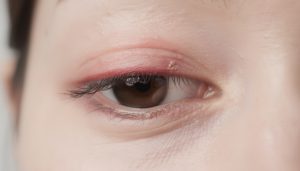
Two main forms are distinguished: minor multiple erythema, localized only to the skin, and major form which also affects mucous membranes (mouth, eyes, genital organs), often associated with intense mouth pain and sometimes conjunctivitis.
Skin symptoms and mucous membrane involvement
Erythema lesions develop over a few days and can be accompanied by itching or burning sensations. In major forms, mucous membrane involvement can make swallowing difficult and cause significant eye discomfort. These signs often lead the patient to seek early consultation.
On a general level, some also experience fever, intense fatigue, or headaches, signs of the underlying inflammatory reaction.
Accurate diagnosis and complementary investigations
Your doctor, drawing on experience, will establish a clinical diagnosis based on visible signs and your history, notably of infections or recent medication intake. Additional analyses, such as skin biopsies or virological exams, are generally only necessary in cases of doubt.
Herpes simplex screening by PCR greatly aids in managing recurrent cases and adapting preventive treatments.
Treatments for multiple erythema: adapting to heal better
Management largely depends on the clinical form and the identified cause. For mild cases, symptomatic treatment combining antihistamines and topical care is often sufficient to relieve itching and promote healing.
In the presence of severe mucous membrane involvement, corticosteroid therapy may be considered with caution, although its use remains debated due to risks related to the longevity of inflammation.
Managing recurrent forms with antivirals
For patients with repeated skin lesions linked to herpes simplex, antiviral treatments such as acyclovir or valacyclovir are key. They reduce the frequency of outbreaks and significantly improve quality of life.
Beyond these classic treatments, the year 2024 has seen promising innovations with the arrival of Janus Kinase (JAK) inhibitors, which directly target inflammatory mechanisms and open new perspectives for resistant multi-recurrent forms.
Supportive care and practical recommendations for comfort
Mouth and eye involvement requires particular attention with antiseptic mouthwashes or appropriate eye drops. Hospitalization remains exceptional but recommended for severe cases, notably to ensure proper nutrition and hydration.
- Avoid intense sun exposure during flare-ups
- Prefer loose and soft clothing to avoid irritating the skin
- Maintain a good lifestyle to support the immune system
- Consult quickly in case of worsening lesions or significant pain