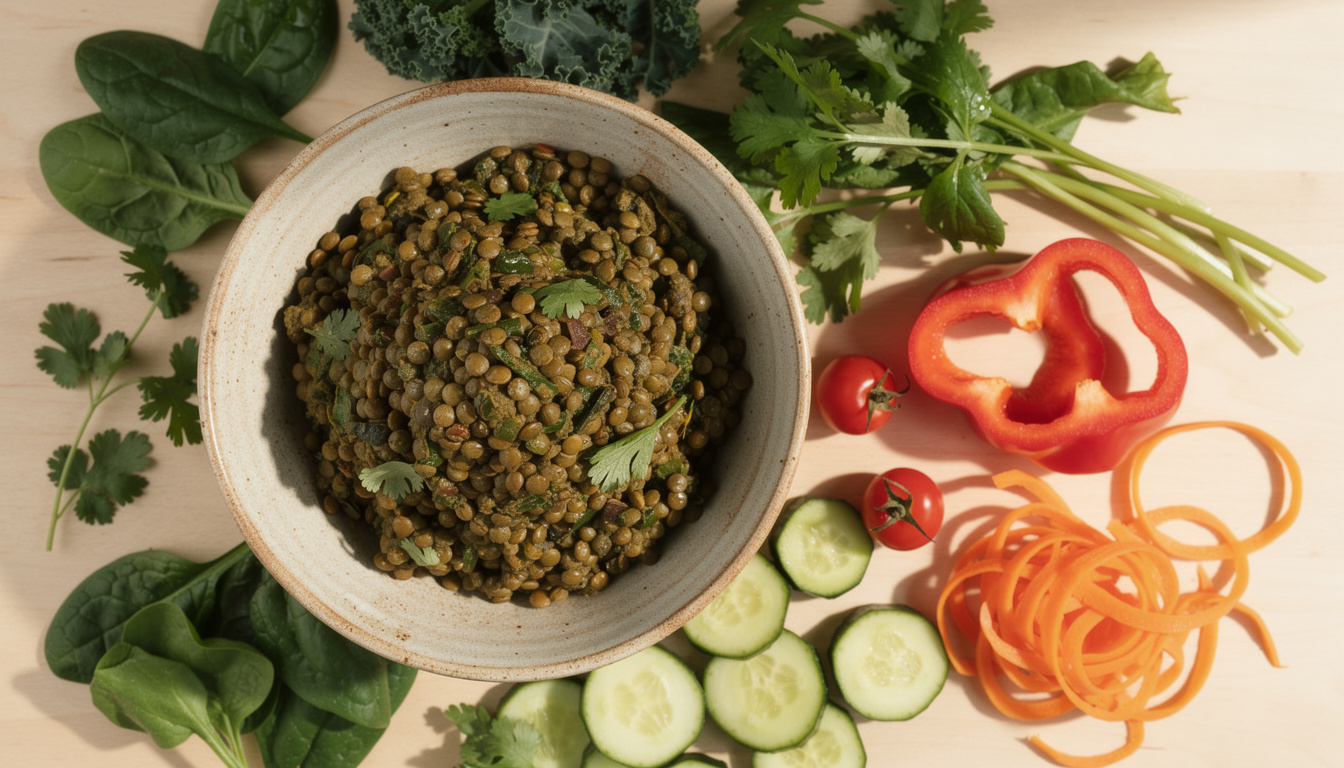
In our current quests for healthy and sustainable eating, lentils prove to be a valuable ally. These discreet legumes, once confined to modest meals, now demonstrate a remarkable potential in plant-based proteins, actively contributing to metabolic health. They combine a balanced nutritional profile with interesting bioavailability, thus offering a credible alternative to traditional animal sources.
Lentils: a plant-based protein source to prioritize for metabolic health
Lentils, belonging to the botanical family of legumes, are characterized by their richness in plant proteins, dietary fibers, and essential nutrients. Their low glycemic index, generally between 25 and 35, makes them a particularly suitable food for regulating blood sugar and limiting spikes in blood glucose, which are essential for preventing metabolic disorders. Their high fiber content also contributes to satiety, promoting weight management.
Detailed nutritional profile of lentils: a balanced cocktail of nutrients
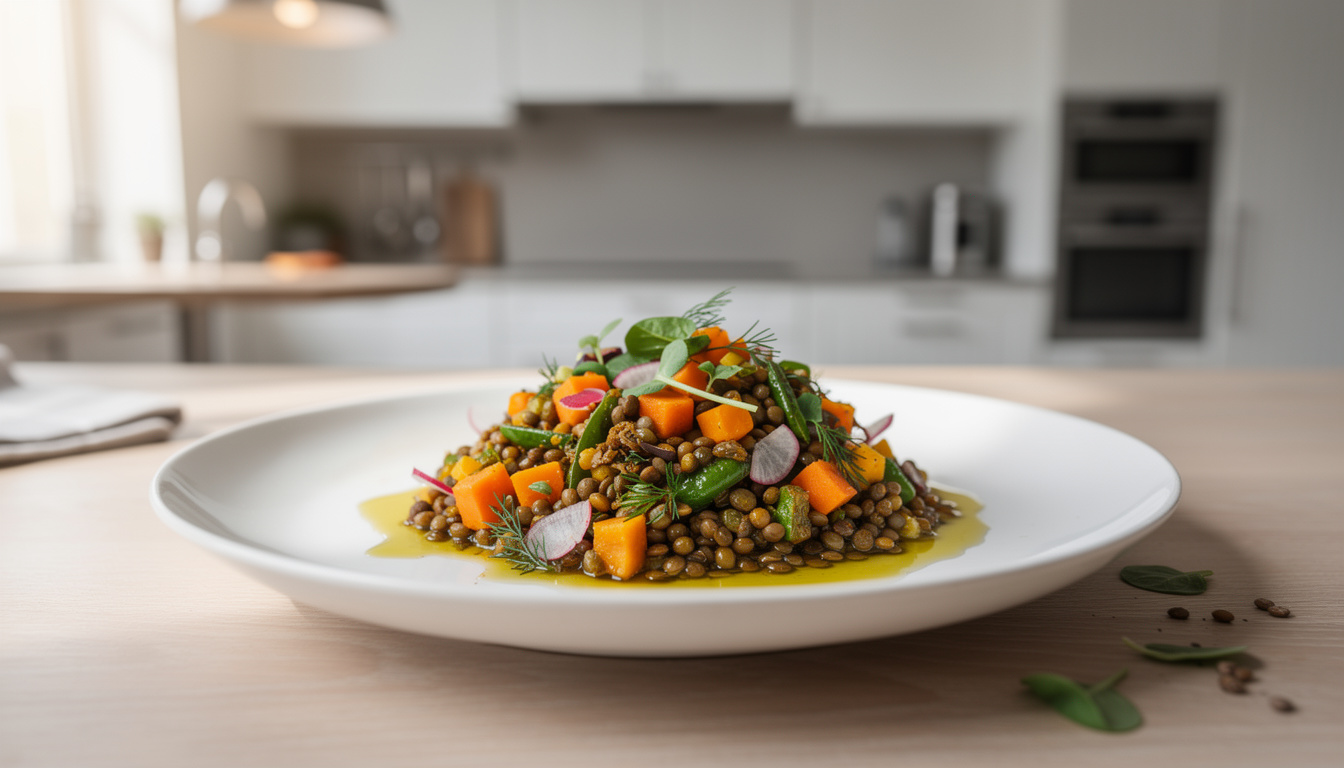
In 100 grams of raw lentils, you get between 24 and 26 grams of protein, while a cooked portion provides about 8 to 10 grams depending on hydration. They also contain nearly 7 to 8.5 grams of fiber, an asset for digestion and maintaining a healthy gut flora. Lentils are low in fat, with less than 0.6 grams of lipids, but rich in key minerals, notably non-heme iron (3 to 3.3 mg), magnesium, and potassium, indispensable for several physiological functions. This profile is complemented by B vitamins, especially folates, involved in cellular metabolism, and antioxidants such as flavonoids.
Comparison table: lentils and other plant and animal protein sources
| Food | Proteins/100g (raw) | Fiber/100g | Lipids/100g | Iron/100g (mg) | Glycemic index |
|---|---|---|---|---|---|
| Green lentils | 24 | 8 | 0.4 | 3.3 | 25 |
| Red lentils | 22 | 7 | 0.5 | 2.8 | 30 |
| Chickpeas | 20 | 5.5 | 2 | 2.9 | 35 |
| Broad beans | 26.1 | 9 | 1 | 3.7 | 30 |
| Cooked chicken breast | 22 | 0 | 1.7 | 0.8 | — |
| Eggs | 13 | 0 | 10 | 1.7 | — |
The characteristics of plant proteins found in lentils
Lentil proteins have a relatively complete profile, although they lack a bit of methionine, an essential amino acid. To compensate for this limitation, it is recommended to pair lentils with cereals such as brown rice or quinoa, thus obtaining what is called a “complete” protein. These combinations reflect ancient culinary traditions and remain especially relevant in vegetarian and vegan diets. Furthermore, soaking and proper cooking improve their digestibility by limiting antinutrients such as phytates.
Integrating lentils into a balanced diet: practical advice
Regularly incorporating lentils into the diet is recommended for various populations: athletes, seniors, children, or anyone concerned with their metabolic balance. For optimal protein intake, it is advised to consume 60 to 80 grams of dry lentils per serving, or about 180 to 220 grams cooked, several times a week.
- Athletes benefit from their protein richness to support muscle recovery.
- Children and seniors gain fibers and essential micronutrients necessary for growth and intestinal transit.
- For weight management, their satiating effect and low caloric density are key advantages.
- Those seeking to limit animal proteins find a sustainable and ecological alternative.
Protein-rich lentil-based recipe ideas
Lentils are very versatile in the kitchen, allowing variety without sacrificing nutritional quality:
- Indian red lentil dhal with spices and coconut milk served with basmati rice.
- Mediterranean salad mixing green lentils, cherry tomatoes, feta, and fresh herbs.
- Vegetable patties based on blended lentils, lightly seasoned, for a complete dish.
- Blonde lentil soup with root vegetables flavored with thyme.
Explanatory video: the benefits of plant proteins from lentils for health
The health benefits of regular lentil consumption
Beyond their protein contribution, lentils contribute to several key mechanisms of metabolic health:
- Their low glycemic index promotes blood glucose regulation, thus limiting risks related to type 2 diabetes. To deepen understanding of complex carbohydrates and their impact, see this dossier on unrefined carbohydrates.
- The dietary fibers they contain improve digestion by stimulating regular transit, while nourishing the gut flora.
- Rich in antioxidants, they help protect cardiovascular health, an effect reinforced by their mineral content such as magnesium and potassium, more information is available here: importance of magnesium and potassium.
- Their consumption also promotes satiety, a useful element in diets aiming for weight control.
Video: How lentils affect metabolic health
An ecological and sustainable choice for our food future
Beyond the nutritional benefits, lentil cultivation fits into a sustainable approach by requiring little water and limiting greenhouse gas emissions, unlike animal production. This strengthens their appeal for anyone wishing to reconcile personal health and environmental protection.
{“@context”:”https://schema.org”,”@type”:”FAQPage”,”mainEntity”:[{“@type”:”Question”,”name”:”Are lentils suitable for people with diabetes?”,”acceptedAnswer”:{“@type”:”Answer”,”text”:”Yes, thanks to their low glycemic index and richness in fibers, lentils help regulate blood sugar, which is beneficial in a diabetic diet. However, overall glycemic load monitoring is still recommended.”}},{“@type”:”Question”,”name”:”How to improve lentil digestion?”,”acceptedAnswer”:{“@type”:”Answer”,”text”:”Soaking before cooking and appropriate cooking reduce the presence of antinutrients like phytates, improving digestibility and limiting digestive issues such as bloating and gas.”}},{“@type”:”Question”,”name”:”What quantity of lentils should be consumed for optimal protein intake?”,”acceptedAnswer”:{“@type”:”Answer”,”text”:”It is recommended to consume between 60 and 80 grams of dry lentils per serving, corresponding to about 180-220 grams after cooking, several times a week, depending on individual needs.”}},{“@type”:”Question”,”name”:”Do lentils contain gluten?”,”acceptedAnswer”:{“@type”:”Answer”,”text”:”Lentils are naturally gluten-free, making them an excellent option for people intolerant to gluten or suffering from celiac disease.”}},{“@type”:”Question”,”name”:”Can lentils be combined with cereals to obtain a complete protein intake?”,”acceptedAnswer”:{“@type”:”Answer”,”text”:”Yes, combining lentils with cereals like brown rice, wheat, or quinoa compensates for their methionine deficiency, an essential amino acid, thus ensuring a balanced protein profile.”}}]}Are lentils suitable for people with diabetes?
Yes, thanks to their low glycemic index and richness in fibers, lentils help regulate blood sugar, which is beneficial in a diabetic diet. However, overall glycemic load monitoring is still recommended.
How to improve lentil digestion?
Soaking before cooking and appropriate cooking reduce the presence of antinutrients like phytates, improving digestibility and limiting digestive issues such as bloating and gas.
What quantity of lentils should be consumed for optimal protein intake?
It is recommended to consume between 60 and 80 grams of dry lentils per serving, corresponding to about 180-220 grams after cooking, several times a week, depending on individual needs.
Do lentils contain gluten?
Lentils are naturally gluten-free, making them an excellent option for people intolerant to gluten or suffering from celiac disease.
Can lentils be combined with cereals to obtain a complete protein intake?
Yes, combining lentils with cereals like brown rice, wheat, or quinoa compensates for their methionine deficiency, an essential amino acid, thus ensuring a balanced protein profile.