Spirulina has long been a source of intrigue, and I must admit that the more I delve into the subject, the more I understand why. This algae, so rich in nutrients, proteins, and minerals, plays an amazing role in supporting health, especially for women who sometimes have more specific needs, such as iron or certain amino acids. Before going into detail about its benefits, it can be helpful to look at other often-overlooked aspects, such as its potential impact on the thyroid. In fact, if this topic interests you, you can read this article from GreenWhey which provides a good overview of the subject.
Spirulina is not a miracle food, but it is a fascinating dietary supplement due to its composition and its potential effects on the body. What has always amazed me is its natural, almost intuitive balance: highly digestible proteins, bioavailable iron, powerful antioxidants, vitamins, and even fatty acids like linolenic acid. When you put it all together, you understand why it holds a special place in the routines of many women.
In this article, we’ll see what spirulina can truly offer: energy, immune system support, muscle tone, weight management, and even skin benefits. And above all, what I believe makes all the difference: knowing how to use it correctly to get real results, without falling for overly optimistic promises.
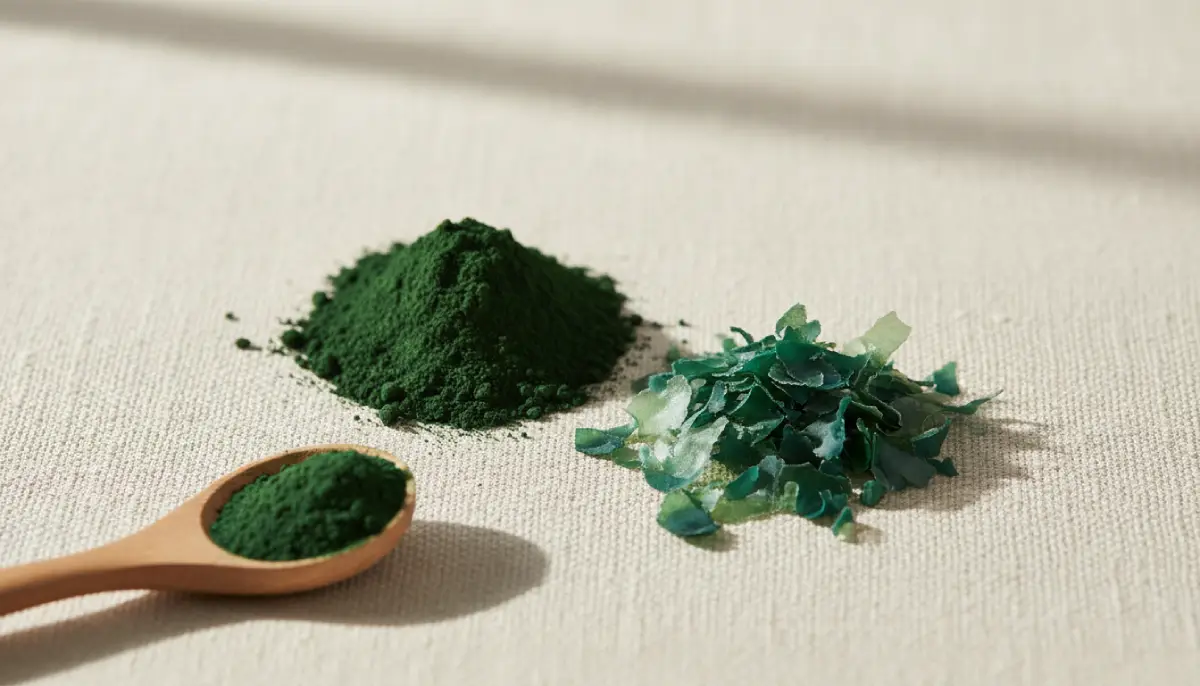
Spirulina powder and flakes showcasing its natural appearance and nutritional richness
Where does this famous spirulina, or Spirulina platensis, come from? Before discussing its health benefits for women, we must first understand what spirulina actually is. It is, in fact, a microalga belonging to the genus *Arthrospira*, often called *Spirulina platensis*.It grows naturally in warm, slightly alkaline waters, where it forms small, spiraling filaments that are very rich in nutrients. What distinguishes it from other algae is its exceptional concentration of protein, iron, vitamins, and minerals. Commercially, it is most often found in powder, flake, tablet, or capsule form, as a dietary supplement. The organic version is generally preferred, as cultivation conditions and water quality control are essential to avoid contaminants. Good quality spirulina should remain a concentrated food, not a cocktail of undesirable substances, hence the importance of choosing your source carefully.Why its nutritional profile appeals so much to women
If spirulina appeals so much to women, it’s no coincidence. Its nutritional profile is particularly beneficial for supporting certain periods of life when the body is under more stress, such as periods of fatigue, stress, dieting, or intensive sports activity. It is naturally rich in protein, but also in essential amino acids, iron, magnesium, vitamins, and antioxidants. In short, spirulina offers several benefits in just one gram of powder or tablet. Here are a few key points that explain its popularity with women.
Easy-to-digest proteins
Spirulina contains a high proportion of complete proteins, with amino acids beneficial for muscle mass, post-exercise recovery, and maintaining vitality. This makes it a valuable ally when diets are lacking in high-quality protein sources.
- An iron supplement to reduce the risk of deficiency Iron is a particularly important nutrient for women, especially due to blood loss. Spirulina provides iron along with enzymes, vitamins, and other minerals, which can support iron levels and help with fatigue, as part of a balanced diet.
- Vitamins and antioxidants for skin and the immune system
- The presence of pigments, vitamins, and antioxidants helps protect cells from oxidative stress. Indirectly, this can support skin health and immune system function, especially during periods of life when one feels more vulnerable.
- Fatty acids like linolenic acid Spirulina also contains beneficial fatty acids such as linolenic acid, which contribute to the balance of cell membranes. While not the dominant component, it complements the nutritional profile of this unique algae. Ultimately, this blend of protein, iron, amino acids, vitamins, and antioxidants explains why spirulina holds a special place in the diets of many women. It’s not a magic food, but a concentrated source of nutrients that can support the body when diet or lifestyle isn’t always perfect, which happens to just about everyone.
The benefits of spirulina for women: what’s really interesting?
A little boost against fatigue and iron deficiencies
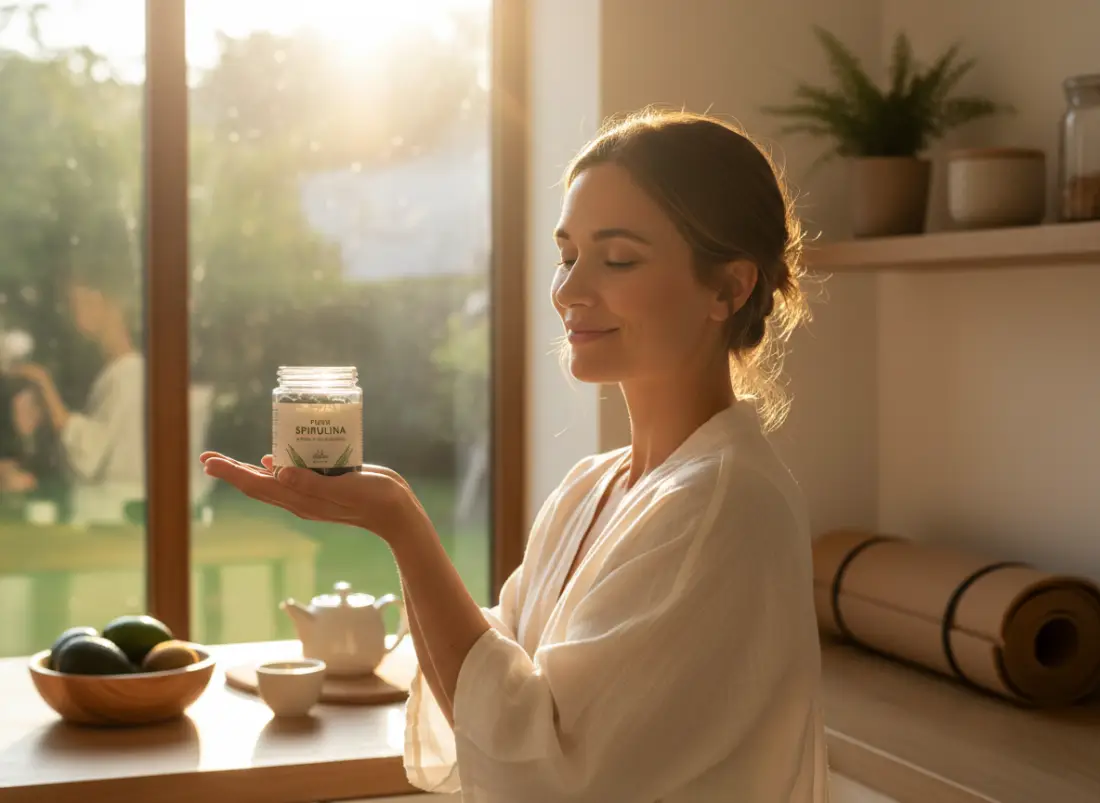
When talking about spirulina, the first benefit cited by many women is energy. And this is easy to understand. This microalga is naturally rich in iron, an essential mineral for transporting oxygen in the blood. When iron levels are a little low, the body slows down and fatigue sets in more easily. Spirulina can then help supplement the diet, especially when you want to prevent a mild deficiency or regain some energy.
Of course, it doesn’t replace medical treatment in cases of diagnosed anemia, but for some women who regularly feel drained, particularly during their period or when following an unbalanced diet, spirulina can be a valuable ally. This is often one of the first effects felt, although everyone reacts differently. Personally, I’ve experienced several periods of fatigue where I found this boost quite welcome, even though I remain cautious and attentive to my diet.
Immune System and Muscle Tone Support
The vitamins, antioxidants, and proteins in spirulina also play an important role in supporting the immune system. This natural combination helps the body better resist seasonal changes, stress, and sometimes even lack of sleep. It’s one of those supplements that many women use preventively, when their lifestyle pushes them to their limits.
In terms of muscle tone, its blend of amino acids and easily digestible proteins makes it a popular supplement for women who exercise regularly. Spirulina aids recovery, reduces the feeling of muscle fatigue, and can support the maintenance or development of muscle mass. Nothing miraculous, but a real help when you combine exercise, a busy schedule, and sometimes improvised meals.
A beneficial algae for the skin and oxidative stress We often forget that the skin is an organ that reacts to stress, fatigue, and hormonal fluctuations. Spirulina contains pigments and antioxidants that protect cells against oxidative stress, which can help maintain brighter, more even skin. This obviously doesn’t replace a skincare routine, but it can complement a more thorough approach, especially during periods when the skin is “doing its own thing,” as I like to say, a little temperamental, a little dull.
Some women also notice that their complexion becomes more even or that their skin appears better hydrated. This type of effect remains very personal, but one constant remains: when the body receives sufficient vitamins, minerals, and antioxidants, the skin often reflects this improved well-being.
our tips for lowering cholesterol naturally.
Ultimately, the benefits of spirulina for women are based on a synergy of very simple yet effective elements, as long as it is kept in mind that it is a dietary supplement, not a cure-all.
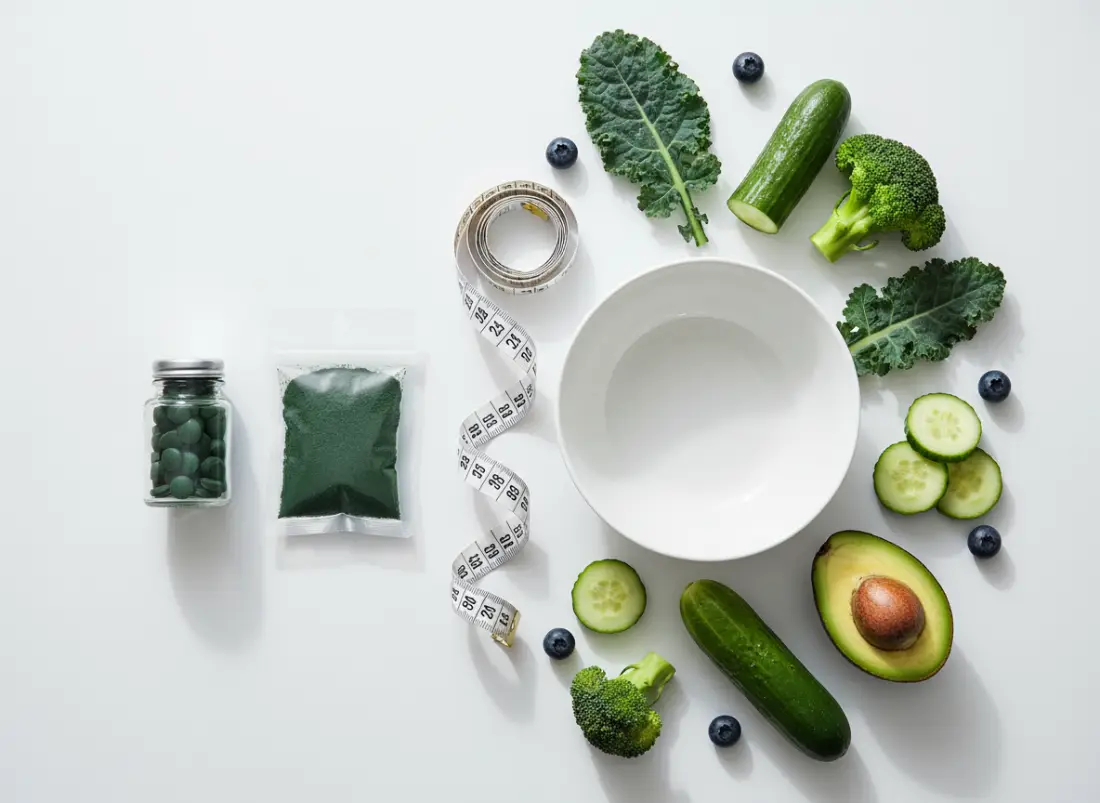
Spirulina, weight, and diet: a help or a myth? Spirulina powder and tablets illustrating its role in weight management and dieting.The real effects on weight management.
Spirulina is often touted as a weight-loss aid, but let’s be honest, it’s not a product that magically makes you lose weight. However, it can be a helpful addition to a diet or a period when you’re trying to better manage your eating habits. Its high protein and amino acid content slightly increases the feeling of fullness, which helps prevent snacking, especially during stressful or irregular days.
Some people also experience improved energy stability, which reduces cravings related to fatigue. This doesn’t replace a true dietary overhaul, but it can create a more supportive environment for staying on track. The effect is subtle, but noticeable in some women who start with a few grams a day and observe a slight change in how they manage their hunger.
To supplement your protein intake, you can also check out our article on plant-based protein shakes, a simple alternative to enrich your daily diet. Sports, Muscle Mass, and Recovery
For women who engage in regular physical activity, spirulina can be a valuable supplement. Thanks to its protein, iron, and comprehensive profile of amines and minerals, it promotes muscle recovery and supports muscle mass building, especially when workouts are frequent.
- To further support your weight loss goals, you can also explore our guide to natural fat burners
- , an ideal complement to a balanced routine. I’ve also noticed, through numerous discussions with female athletes, that regularly taking spirulina can sometimes help reduce the feeling of “heavy legs” or fatigue that occurs after several workouts. It doesn’t replace a good meal or sufficient hydration, but it fits quite well into a balanced fitness routine.
- Practical tips for using it effectively:
- Choose a gradual amount Start with one to two grams per day to allow your body time to adjust, then increase if needed.
Take it at the right time
Many women consume it in the morning or before lunch to benefit from increased energy levels and curb cravings. Combine spirulina with a varied dietIt works best when your diet already provides fresh foods, fiber, and good hydration (water remains essential for its effects). Avoid excessive doses all at once.
Excessive consumption from the outset can lead to minor digestive discomfort, without any additional nutritional benefit.
Spirulina is therefore not a fat burner, but rather a smart support that gently works on weight by improving energy, satiety, and muscle recovery. And sometimes, that’s exactly what you need to maintain a healthier lifestyle.
If you’re looking for a supplement specifically designed for weight loss, we’ve also featured
Morosil, a natural active ingredient dedicated to weight management.
Spirulina and pregnant women: caution or benefits?
- Pregnancy and breastfeeding: what we really know When discussing spirulina for pregnant women, caution is advised. Even though this algae is natural and rich in nutrients, it doesn’t automatically mean it’s suitable for all situations, especially during pregnancy or breastfeeding. During these periods, the immune system, nutritional needs, and hormonal balance change so drastically that every dietary supplement must be chosen carefully.
- Spirulina can provide protein, iron, vitamins, and beneficial minerals, but only if it is of impeccable quality. The main risk comes from potential contamination by heavy metals or toxins when cultivation is not controlled. This is why the recommendation remains almost unanimous: seek medical advice before consuming it during pregnancy or breastfeeding. This isn’t excessive caution; it’s simply common sense.
- On the other hand, outside of these sensitive times, spirulina integrates much more easily into a dietary routine, particularly when looking to support energy levels or iron levels. Let’s just say that during pregnancy, it’s best to do things in the right order and avoid any risky intake. What criteria should you use to choose safe spirulina?
- The quality of the spirulina makes all the difference, especially for pregnant or breastfeeding women. Even for others, choosing questionable spirulina can completely negate the expected benefits, or even cause adverse effects. Here are a few simple guidelines to avoid unpleasant surprises. Opt for organic or certified spirulina.
Reputable labels ensure regular monitoring of the water, the growing location, and the harvesting methods.
Check for traceability.
Spirulina should always indicate its origin, production method, and the health and safety controls carried out. If nothing is specified, it’s best to avoid it.
- Avoid supplements in capsule or tablet form without a guarantee. Some products mix spirulina with other ingredients or heat it excessively, which reduces its nutrients and increases the risk of contamination.
- Observe the color and smell. Good quality spirulina is a deep green and has a light, vegetal odor. If the smell is reminiscent of ammonia or chemicals, it’s not a good sign.
- In short, spirulina can have nutritional benefits, but never without strict quality control. During pregnancy or breastfeeding, consulting a healthcare professional is essential, as each body reacts differently depending on its history, diet, and actual needs. After all, a dietary supplement should be part of your daily routine, not a source of worry. How to consume spirulina according to your lifestyle Powder, capsules, tablets, flakes: which to choose? Spirulina comes in several forms, and the choice often depends on your lifestyle and eating habits. Some women like to add it to a smoothie in the morning, while others prefer the simplicity of capsules or tablets. In reality, no form is “better” than another; it all depends on the quality of the product and how you consume it daily.
Powder or flakes: This is a good option for those who like to incorporate spirulina into their diet in a more natural way. It mixes easily with fresh or slightly acidic foods. However, its rather vegetal taste may be surprising at first.
Capsules or tablets
- Practical when time is short or taste is an issue. It’s often the preferred solution when starting out, although it’s essential to carefully check the ingredients to avoid unnecessary additives.
- Organic Spirulina
- This is the most sought-after form for women who value quality, as it generally offers a better guarantee regarding the water used, the cultivation method, and the nutrients preserved.
- Recommended Amount and Common Mistakes
Spirulina is a potent food, and as is often the case, starting slowly is the best strategy. Many women find better tolerance when they gradually increase the dose rather than starting too quickly. This avoids the minor digestive discomfort that can occur with excessive consumption.
Start with 1 to 2 grams per day, then increase to 4 or 5 grams if necessary.
Listen to your body, as some feel an effect within the first week while others take a little longer.
- Avoid spirulina in the evening if it slightly boosts your energy. Do not mix several iron-rich supplements without medical advice.
- A simple rule can prevent many problems: regular, moderate consumption is better than taking a large amount in the hope of quick results. The effects develop over time, much like when you adjust your diet or exercise routine.
Simple ideas for incorporating spirulina into your diet
Spirulina can easily be integrated into your daily diet, even when you have a busy schedule. Here are a few simple ideas for adding it to your meals without making things complicated.
In a fruit smoothie, or with a slightly acidic food to promote iron absorption.
- In a yogurt sauce or salad dressing, which effectively masks its taste. Mixed with a glass of water or juice, for those who prefer a quick breakfast.
- On a salad, warm soup, or cold dish, as excessive heat can reduce its vitamin content. Personally, I find that spirulina mixed into simple yogurt seems the easiest solution, especially when I’m in a hurry. The idea is to find your own routine, one that naturally fits your lifestyle and diet. Once you’ve established this, consumption becomes almost instinctive.
- Side effects, risks, and contraindications Like any food or supplement, spirulina is not without its precautions. Even though it is generally well-tolerated, some women may experience side effects, especially during the first few doses or when the amount consumed is too high. It is therefore helpful to be aware of these possible reactions to adjust your intake with peace of mind.
- Minor digestive issues Bloating, digestive discomfort, or nausea may occur when the dose is too high at once. The solution is often simple: reduce the amount and then gradually increase it.
Sensitivity in some people Women with autoimmune diseases should seek medical advice, as spirulina stimulates the immune system. This stimulation can be beneficial, but it is not suitable for everyone.Possible interactions with certain medications
If taking medication, especially those affecting the immune system or iron levels, it is best to check for any potential side effects.
Quality varies depending on the source
Spirulina from poorly controlled water may contain heavy metals or toxins. This is arguably one of the biggest risks, far more so than the spirulina itself.
And if you tend to have sensitive digestion, you can also read
our article on fermented foods that reduce bloating.
In short, spirulina remains an interesting dietary supplement, but it requires a minimum of vigilance in its selection and consumption. Taking the time to choose quality spirulina, checking its production method, and listening to your body’s signals allows you to fully benefit from its nutrients without any unpleasant surprises.
Quick and clear FAQ
Does spirulina really help you lose weight? Not directly. It doesn’t burn fat, but its proteins and nutrients can help better manage appetite and energy, which supports a diet without replacing it.
Can you take it every day? Yes, if the spirulina is of good quality and you respect an appropriate quantity. Some women consume it daily for iron or vitality, but you must pay attention to how you feel. Is organic spirulina safer?
Often yes, because it involves strict controls on the water and cultivation methods. This reduces the risk of contamination, even if the label doesn’t replace traceability verification.
What is the general opinion of healthcare professionals?
They acknowledge its contribution of protein, iron, vitamins, and antioxidants, but emphasize product quality and caution in cases of autoimmune disease or during pregnancy.
What are the first effects felt?
Most mention improved energy levels, better recovery after exercise, or a boost in vitality. But each body reacts according to its lifestyle, diet, and overall health.