Understanding Mosquito Bite Allergy: Causes and Symptoms to Recognize
Every summer, mosquito bites often appear unannounced, causing many people to experience small, temporary itching. However, for some individuals, these bites trigger a much more intense allergic reaction than a simple localized erythema. It is an exaggerated immune response to the saliva injected by the mosquito during the bite, containing specific proteins that can cause inflammation, swelling, and other varied clinical signs.
This situation requires being well informed to know how to differentiate a mild reaction from an allergy needing particular attention. In this article, let’s discover together the main causes and signs of this often little-known allergy, as well as some ways to better manage it daily.

Why does an allergy occur after a mosquito bite?
When the mosquito bites, it injects its saliva to prevent the blood from clotting. This saliva contains several allergenic proteins which, in some people, are perceived as intruders by the immune system. In response, the system triggers an exaggerated inflammatory reaction, releasing histamines and other mediators that cause the swelling, intense itching, and erythema observed on the skin.
This immune reaction can also be influenced by the frequency of bites, individual sensitivity, as well as genetic factors. For example, people with a history of skin allergies are often more likely to develop such hypersensitivity.
Recognizing the distinctive signs of a severe allergic reaction
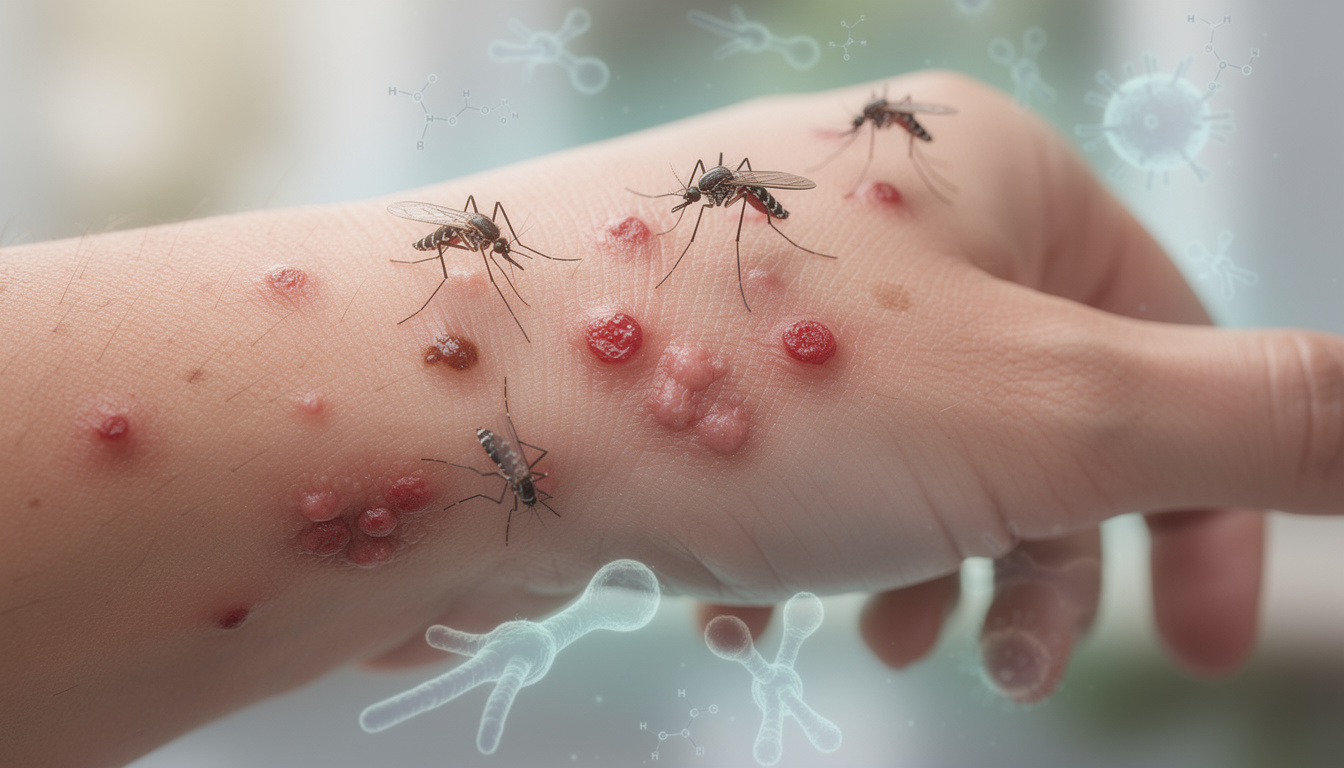
Beyond the simple itchy red bump, mosquito bite allergy is characterized by more intense and lasting symptoms:
- Significant swelling around the bite that can exceed several centimeters
- Intense redness accompanied by erythema which sometimes spreads
- Severe itching often nearly unbearable
- Blisters or hives in some cases, indicating more pronounced inflammation
- Sometimes general symptoms such as malaise or difficulty breathing, indicating a major allergic reaction
To better understand the specifics of these manifestations, I invite you to discover practical advice and experiences shared by those living daily with these reactions, notably on managing allergy bumps.
Strategies to relieve and prevent mosquito bite allergies
Faced with these symptoms, it is essential to know the good practices to soothe skin reactions and prevent the inflammation from worsening. Among the solutions frequently recommended by specialists are:
- Application of antihistamines in tablets or cream form to calm allergic symptoms
- Use of topical corticosteroids in cases of severe inflammation, under medical supervision
- Use of natural remedies such as aloe vera gel or baking soda to lessen itching and redness
- Local compression with ice to reduce swelling and relieve pain
In parallel, prevention plays a key role in limiting new bites that could worsen reactions. It is advised to:
- Use appropriate repellents and reapply regularly, especially in the evening
- Install mosquito nets around beds to protect during sleep
- Avoid humid areas or dense vegetation at times of high mosquito activity
- Wear long and light clothing to reduce exposed skin surface
Particularities in children: vigilance and necessary adaptations
Children are often more sensitive to bites due to their developing immune system. They may present more marked allergic reactions, requiring increased attention. In them, the monitoring of swelling, severe pruritus, or even hives must be strengthened to act quickly.
Specific measures to protect them include using repellant lotions specifically formulated for their skin, wearing appropriate clothing, and regular consultation with a pediatrician for personalized advice. Some recommended family practices can be inspired by advice available on understanding prurigo, another itchy skin condition, which shares several care similarities.
Knowing rare but serious allergic reactions after a bite
Although rare, some allergic reactions to mosquito bites can become serious and lead to anaphylactic shock. These include notably:
- A general feeling of discomfort
- Difficulty breathing or wheezing
- Generalized edema, especially of the face and throat
- Sudden drop in blood pressure
In these emergency situations, rapid medical care is essential. It is recommended to raise awareness among close contacts about these risks and to keep emergency treatment in the form of an adrenaline injector if prescribed by an allergist.
Towards better understanding and management of mosquito allergy
Knowledge about allergic reactions to mosquito bites is regularly evolving thanks to scientific advances. Staying informed allows better anticipation and control of these inconveniences. Among the explored avenues is the understanding of interactions between the environment, saliva components, and genetics.
A holistic approach combining medication, natural care, and optimal prevention today offers the best chances to relieve skin reactions sustainably. To go further in caring for your skin’s wellbeing, also find our articles on skin allergic reactions more broadly.