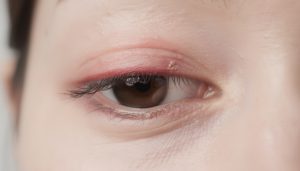
Understanding Cutaneous Herpes: Main Causes and Mechanisms of Infection
Cutaneous herpes is a common viral infection, primarily caused by two types of Herpes simplex virus: HSV-1 and HSV-2. These pathogens belong to the Herpesviridae family and are capable of establishing a long-term presence in our bodies. HSV-1 is often responsible for cold sores, which generally appear around the mouth and facial mucous membranes, while HSV-2 is mainly responsible for genital herpes, affecting the skin and mucous membranes of the genital area.This virus can remain dormant for long periods, only to reactivate under the influence of certain external factors.
- Transmission occurs through direct contact with lesions or infectious secretions;
- HSV-1 is often transmitted in childhood, non-sexually, through a simple kiss or the sharing of personal items;
- HSV-2 is transmitted almost exclusively during sexual intercourse or direct genital contact. A latent virus that can reactivate with stress, fatigue, sun exposure, or hormonal changes.
It’s important to know that the virus can spread even without visible symptoms, which complicates prevention.

Triggers and Risks of Cutaneous Herpes Activation
Reactivation of the HSV virus in the skin is often linked to a weakened immune system or specific environmental factors. Understanding these factors helps to better manage the condition on a daily basis.
- Intense or prolonged stress: A weakened immune system allows the virus to become more active;
- Excessive sun exposure: Sunburn can trigger outbreaks of cold sores;
- Hormonal changes: Menstruation or pregnancy can trigger recurrences;
- Fatigue or illness:
- these weaken the body’s natural defenses;
Mechanical factors:
trauma or surgical procedures on the skin.
Prevention therefore relies primarily on careful management of these triggers, particularly through balanced lifestyle habits and appropriate protective measures.
- Recognizing the clinical signs of cutaneous herpes: visible manifestations and associated symptoms Rapid identification of the signs of cutaneous herpes facilitates treatment and limits contagion. Manifestations vary depending on the location of the infection and the type of virus involved.
- First symptoms: tingling, itching, or burning sensations on the affected area;
- Appearance of vesicles: small blisters filled with clear fluid, clustered on the skin;
- Evolution:
- These blisters burst and then form scabs that heal in 7 to 14 days; Proximal general signs:
Possible fever, fatigue, or swollen lymph nodes during the initial infection;

Lips, face, nose, genital area, anus, and sometimes around the eyes.
It is important to note that in some cases, cutaneous herpes can be asymptomatic, making clinical diagnosis more complex.
- Discover the causes and main signs of cutaneous herpes, a common viral infection. Learn to recognize its symptoms for prompt and appropriate treatment. Emotional impact and coping strategies
- Beyond the physical symptoms, cutaneous herpes can have a significant emotional impact, with feelings of isolation or anxiety. Learning to manage this reality is essential for feeling better on a daily basis. Informing and raising awareness:
- Understanding the disease reduces fear and stigma; Talking with loved ones: emotional support contributes to serenity;
- Consult a healthcare professional if you have any doubts: A healthcare professional can provide guidance and reassurance;
- Adopt appropriate skincare:
Use creams such as Zovirax or Betadine to soothe lesions;
Use gentle cosmetics:
- Bioderma, Avène, La Roche-Posay, Uriage, and Eucerin offer products for sensitive skin that can improve skin comfort. Diagnosis and medical management of cutaneous herpes
- For effective treatment, accurate identification of cutaneous herpes relies primarily on a clinical examination, supplemented if necessary by specific tests. This approach ensures a response tailored to each case. Visual observation:
- The doctor examines the characteristic vesicles and lesions; Local swab:
- Viral culture or PCR confirms the presence of HSV and determines the type (HSV-1 or HSV-2); Serological test:
- To detect antibodies when symptoms are atypical or absent;
Comprehensive assessment:
Immunity assessment, consideration of triggering factors;
- Prescription of appropriate treatments:
- Oral antivirals such as acyclovir, valacyclovir, or famciclovir, and topical creams for local relief.
- Treatments such as Mylan and Cicatryl products help to soothe outbreaks and reduce their duration. Prompt medical attention also limits the risk of complications or frequent recurrences.
- Additional measures for better management:
Regular application of powerful moisturizing creams (Acorelle, La Roche-Posay) to promote skin repair;