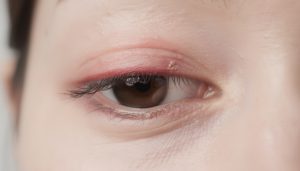
Folliculitis: understanding this inflammation of the hair follicle
Folliculitis is a common skin condition that corresponds to an inflammation of the hair follicles, those small openings from which hairs grow. This bacterial infection causes the appearance of red bumps, often accompanied by itching, and sometimes pustules filled with pus. Although these symptoms can initially resemble acne, the deep nature of the lesions and their location point to a diagnosis of folliculitis.
This condition can affect any area of the body where hair grows, including the face, scalp, legs, or armpits. In 2026, it remains essential to correctly recognize the signs of folliculitis to avoid confusion with other skin conditions and to implement appropriate dermatological treatments.
The different types of folliculitis and their causes
Two main forms of folliculitis are distinguished based on the depth of the inflammation:
- Superficial folliculitis: it concerns only the superficial part of the hair follicle. Staphylococcus aureus is often involved, but other bacteria or even fungi may intervene. The so-called hot tub folliculitis, linked to the bacterium Pseudomonas, frequently occurs in environments like poorly disinfected swimming pools or jacuzzis.
- Deep folliculitis: it affects the entire follicle, potentially destroying the hair root. This more severe type often corresponds to a furuncle, characterized by a painful lump filled with pus.
Among the causes of folliculitis are not only bacterial infections but also ingrown hairs caused by frequent skin trauma, especially shaving or waxing. Hygiene, friction caused by tight or synthetic clothing, as well as sweating, also promote its development. In particular, people with weakened immune systems, diabetics, or those with HIV are more susceptible to this skin infection.
Signs of folliculitis: recognizing the first symptoms
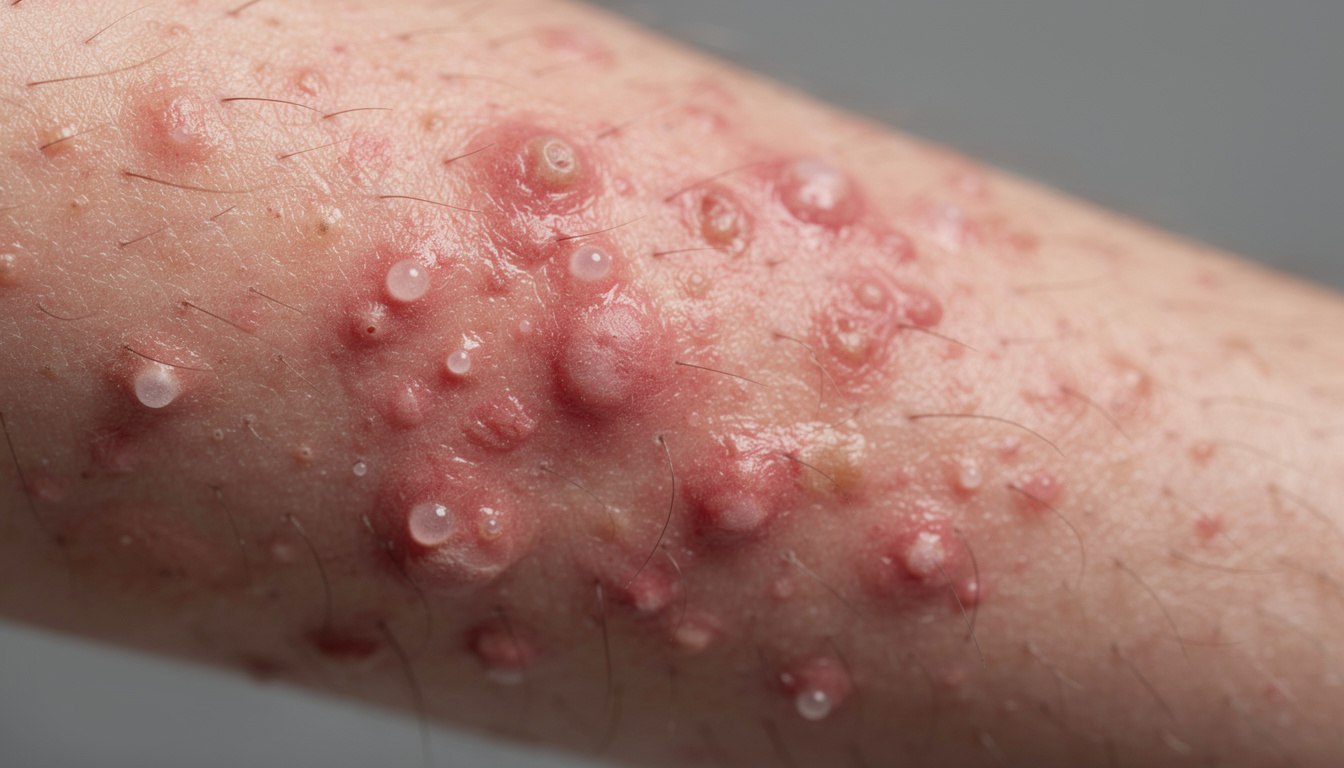
The characteristic lesions of folliculitis first manifest by the appearance of small, regular red bumps, isolated or grouped, often painful to the touch. These red bumps can quickly evolve into whitish pustules, visible at the hair root. Unlike certain forms of acne, intense itching is frequently observed.
It is common for folliculitis to appear on the face, legs, armpits, or back. Some forms, for example groin folliculitis, are particularly linked to hair removal or shaving habits.

To distinguish folliculitis well from other conditions, note the following:
- The presence of pustules at the top of each bump, a sign of active infection
- Localization often centered on a hair follicle
- Unpleasant sensations of burning or tingling before the appearance of lesions
Promoting factors and habits to watch
Several risk factors favor the onset of folliculitis:
- Frequent shaving and waxing, which cause ingrown hairs and irritate the follicles
- Wearing tight or synthetic clothing, which increases friction and moisture
- Insufficient hygiene after sweating, especially after sports
- Use of poorly disinfected jacuzzis and saunas, a source of Pseudomonas folliculitis
- Immunodepression related to medical treatments or chronic diseases
To minimize these risks, it is advisable to adopt gentle routines such as using appropriate antibacterial soaps and limiting skin trauma.
Appropriate dermatological care to treat folliculitis in 2026
The treatment of folliculitis varies depending on whether it is superficial or deep. For mild cases, regular use of antibacterial cleansers helps limit surface bacteria. Applying warm compresses soothes itching and reduces the urge to scratch, thus preventing superinfection.
In cases of more widespread or persistent folliculitis, doctors often prescribe specific antibiotic creams. In some cases, oral antibiotic therapy is necessary. For forms caused by fungi, antifungal treatments may be recommended.
It should be emphasized that prevention also involves appropriate hair removal care; laser hair removal is an effective solution to limit the formation of ingrown hairs and recurrence of folliculitis, allowing a notable improvement in quality of life.
Also discover the evolution of techniques with technological expertise for optimized patient care which opens new perspectives for personalized treatments.
- Daily washing with a gentle antibacterial soap
- Wearing loose clothing made of natural fibers (cotton)
- Avoiding too frequent shaving and favoring gentle techniques
- Occasional use of soothing creams to reduce irritation
- Prompt medical consultation in case of signs of worsening
By adopting these simple precautions, you directly contribute to reducing the risk of folliculitis and its complications. For a quick medical opinion, do not hesitate to consult a dermatologist via Medicial.fr teleconsultation, available 24/7 to support you.