Rosacea, a skin condition often misunderstood, affects a growing number of women today, disrupting their confidence and daily lives. Yet, far from being inevitable, this facial inflammation can be soothed and managed sustainably with a personalized, gentle approach tailored to each individual’s pace. From meticulously identifying triggers to a minimalist beauty routine, not forgetting nutrition and stress management, every detail counts in achieving calmer, more harmonious skin. In this article, let’s explore the keys to saying goodbye to persistent redness and finally feeling completely comfortable in your own skin, day after day.
- In short: Rosacea results from chronic inflammation linked to skin hypersensitivity and genetic factors. Identifying your personal triggers (diet, stress, environment) is essential to preventing flare-ups. A gentle and minimalist skincare routine, using reputable brands like La Roche-Posay or Avène, helps soothe the skin. Adapting your diet, by limiting alcohol, gluten, and dairy products, significantly improves symptoms.
- Managing stress and optimizing sleep are often underestimated pillars of lasting recovery.
- Understanding rosacea: origins, symptoms, and specific characteristics to know
- Let’s get to the heart of the matter by demystifying this disease, which, at first glance, seems simple but reveals a complexity that is often overlooked. Rosacea is far from being a simple cosmetic issue. It represents a chronic inflammation that develops over time, resulting primarily from hyperactivity of the blood vessels under the skin. This increased sensitivity leads to redness, pimples, and sometimes even skin thickening, particularly affecting the face.
- The affected skin is generally fair, which corresponds to a significant genetic predisposition. Indeed, certain genetic profiles promote skin fragility and vascular hyperreactivity. Add to this the presence of the Demodex folliculorum mite, naturally present on the skin, but which can proliferate excessively and trigger a significant inflammatory reaction. These complex mechanisms paint a picture where rosacea is nothing like simple acne, despite the superficial resemblance in some cases.
The symptoms also depend on the type of rosacea:
The erythematous-telangiectatic form: characterized by persistent and visible redness, sometimes accompanied by small dilated blood vessels (telangiectasias).
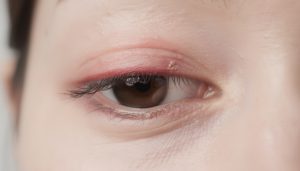
The papulopustular form: characterized by small red papules and pustules, often accompanied by unpleasant sensations such as burning or tingling. The ocular form: linked to inflammation of the eyelids and eyes, causing irritation, dryness, and redness.
- The phymatous form: rarer, characterized by a thickening of the skin, visible mainly on the nose. An important aspect to understand is also the impact of the gut microbiota, often overlooked in the typical course of this disease. An imbalance in the gut can promote systemic inflammation that inevitably manifests on the skin. To delve deeper into this essential link between rosacea and the gut, you can consult this dedicated article:
- rosacea and gut health
- Types of Rosacea Main Symptoms
- Affected Areas Erythematous-telangiectatic
Persistent redness, visible blood vessels Cheeks, nose, foreheadPapulopustular
| Red bumps, papules, tingling | Central area of the face | Ocular |
|---|---|---|
| Dryness, redness, eye irritation | Eyes, eyelids | Phymatous |
| Thickening of the skin, nodules | Primarily affects the nose | Discover effective strategies and natural tips to say goodbye to rosacea. Adopt our sustainable advice and rediscover soothed, radiant skin! |
| Identifying your personal triggers: the key step to taming rosacea for good. | While rosacea is influenced by genetic factors, what triggers a flare-up is often unique to each individual. Heat, cold, alcohol, diet, or even stress—each piece of the puzzle has a unique impact. To truly move towards soothed skin, it’s crucial to embark on a phase of careful observation. | |
| We highly recommend keeping a skin diary for at least six weeks. The principle is simple yet powerful: note down each day the condition of your skin on a personal scale (from 1 to 5), the foods you eat, the skincare products you use, your sun exposure, your stress level, and any significant events. This conscious approach will reveal the invisible correlations that trigger flare-ups. | Commonly cited environmental factors include sunlight, excessive heat, and intense cold. |

Spicy foods, dairy products, and sometimes gluten can also make a difference, depending on your individual sensitivity.
Stress is a major but subtle trigger, the effects of which can last for several days.
Unsuitable cosmetics, packed with alcohol or fragrances, can worsen skin fragility. Among the brands we recommend, La Roche-Posay, Avène, Bioderma, and CeraVe offer products designed for sensitive and fragile skin, a real plus in your routine. Common Triggers
- Effects on the Skin
- Practical Advice
- Sun Exposure
- Increased redness, burning
- SPF 50 sunscreen, hats
Emotional stress
| Increased inflammation, delayed reactions | Relaxation techniques, heart coherence | Alcohol (red wine) |
|---|---|---|
| Intense red flare-ups | Strict avoidance or moderation | Irritating cosmetic products |
| Irritation, dryness, burning | Choose alcohol- and fragrance-free formulas | This analytical method allows you not only to anticipate your reactions but also to build a strong link between your lifestyle and your skin’s condition. That’s why, armed with this first step toward self-knowledge, you can face your flare-ups with greater peace of mind. |
| Treatments validated in 2025 to soothe rosacea: what really works | The world of rosacea treatments has evolved considerably, and to date, several options offer encouraging and lasting results. Clinical experience, enriched by thousands of cases treated, demonstrates their effectiveness when judiciously adapted to the specific form of rosacea. | |
| Topical antibiotic creams, such as metronidazole and clindamycin, remain essential for papulopustular forms. In 4 to 8 weeks, they significantly reduce inflammation and pimples. | Vascular lasers, particularly the KTP or pulsed dye laser, penetrate precisely to erase telangiectasias in vascular rosacea, with few side effects and rapid visible results. |
For ocular rosacea, simple, regular care such as warm compresses, gentle eyelid massages, and cleansing with saline solution contribute to daily relief. The use of preservative-free artificial tears is often recommended to minimize irritation.
In the realm of dermo-cosmetic brands, Uriage, Eucerin, Ducray, and SVR develop products specifically formulated to soothe the skin, restore its barrier, and reduce irritation.
- It’s worth remembering that a good relationship with a dermatologist or healthcare professional is key to tailoring skincare to your individual needs. Don’t hesitate to also consult the well-documented natural advice available in this article dedicated to rosacea.
- Treatment Type
- Targeted Form
- Estimated Duration
Potential Side Effects Antibiotic Creams (metronidazole, clindamycin)Papulopustular
| 4-8 weeks | Slight dryness or irritation | Vascular Laser (KTP, pulsed dye) | Vascular |
|---|---|---|---|
| 1-3 sessions | Temporary redness, swelling | Eye Care (compresses, artificial tears) | Ocular |
| Daily use | Rare, possible allergic reactions | Soothing Dermo-cosmetics (Uriage, SVR, Ducray) | All forms |
| Continuous use | Very rare | Minimalist Routine and Beauty Tips: Calming Rosacea Daily | In the fight against rosacea, the temptation to overdo it is strong, especially when faced with temperamental skin. However, the winning formula lies in simplicity and gentleness. A streamlined yet effective routine is often the secret to lasting skin relief. |
| Our mantra? Cleanse gently, hydrate with anti-inflammatory ingredients, and protect with impeccable sun protection. | Cleansing is limited to one daily step in the evening, using soap-free and irritant-free formulas. La Roche-Posay and Avène offer excellent cleansers suitable for this purpose. | For hydration, choose ingredients like niacinamide, known for its anti-inflammatory properties, and centella asiatica, ideal for calming redness. Plant-based squalane completes this trio by hydrating without weighing skin down. |
Sun protection, often underestimated, is an absolute must. Opt for mineral sunscreens based on zinc or titanium dioxide, with an SPF of 50, whether from Bioderma, CeraVe, or A-Derma.
Step
- Recommended ingredients
- To avoid
- Leading brands
| Cleansing | Panthenol, glycerin | Soap, foaming agents, fragrance | La Roche-Posay, Avène |
|---|---|---|---|
| Moisturizing | Niacinamide, centella asiatica, squalane | Alcohol, essential oils | Bioderma, CeraVe, Ducray |
| Sun protection | Zinc, titanium dioxide (SPF 50) | Chemical filters, fragrances | A-Derma, Vichy |
| Adopting this minimalist routine allows you to preserve the fragile skin barrier while limiting daily aggressions. The goal is to create an environment conducive to calm and natural repair. | Adopting an Anti-Rosacea Diet and Managing Stress for Soothed Skin | It would be simplistic to believe that skincare alone can eradicate rosacea. The way you prepare your meals and manage your emotions have a crucial influence on skin balance. |
Certain foods, frequently implicated, deserve to be reconsidered in your daily routine:
Dairy products, which can exacerbate inflammation in approximately 60% of those affected.
Gluten, which should be temporarily eliminated to test individual tolerance.
Alcohol, particularly red wine, impacts not only the skin but also the gut microbiota, amplifying inflammatory reactions.
- To counteract these effects, focus on a diet rich in omega-3 fatty acids, known for their soothing properties, through sources such as oily fish, nuts, or flax seeds. Natural probiotics, like kefir or fermented vegetables, restore the gut flora to better combat inflammation. Finally, antioxidant foods, such as red berries, green tea or turmeric, help to protect the skin in the long term.
- Stress is often the unrecognized trigger of flare-ups. When pressure rises, the body releases cortisol and histamine, exacerbating the skin’s inflammation. Regular practices, such as heart coherence or mindfulness meditation, have proven highly effective in calming these responses. Gentle physical activity, such as yoga or swimming, which releases natural anti-inflammatory endorphins, is also beneficial.
Factors to Limit
Recommended Foods/Practices
| Benefits | Dairy Products | Omega-3 (oily fish, flax seeds) |
|---|---|---|
| Reduces inflammation | Gluten | Natural Probiotics (kefir, miso, fermented vegetables) |
| Rebalances gut flora | Alcohol | Antioxidant Foods (berries, green tea, turmeric) |
| Protection against oxidative stress | Stress | Meditation, heart coherence, gentle physical activity |
| Reduces cortisol and inflammation | Can rosacea disappear completely? |
Yes, with a personalized approach combining trigger identification, a suitable routine, a balanced diet, and stress management, it is possible to achieve lasting remission, or even complete disappearance of symptoms.
Which cosmetic products should you choose for rosacea-prone skin?
It is advisable to opt for gentle, alcohol- and fragrance-free skincare products with soothing active ingredients such as niacinamide, squalane, or centella asiatica, available from brands such as La Roche-Posay, Avène, and Bioderma.
How can you recognize ocular rosacea?
It manifests with symptoms such as dryness, irritation, redness around the eyes, and a gritty feeling, requiring specific daily care.
Does stress really influence the severity of rosacea?
Absolutely, stress increases the production of cortisol and histamine, exacerbating skin inflammation. Regular relaxation techniques help control these effects.
Why is it necessary to avoid certain foods like red wine?