Ocular Rosacea: Understanding the Symptoms for Better Management
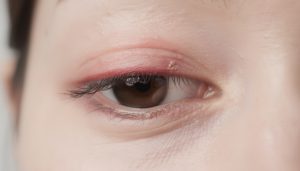
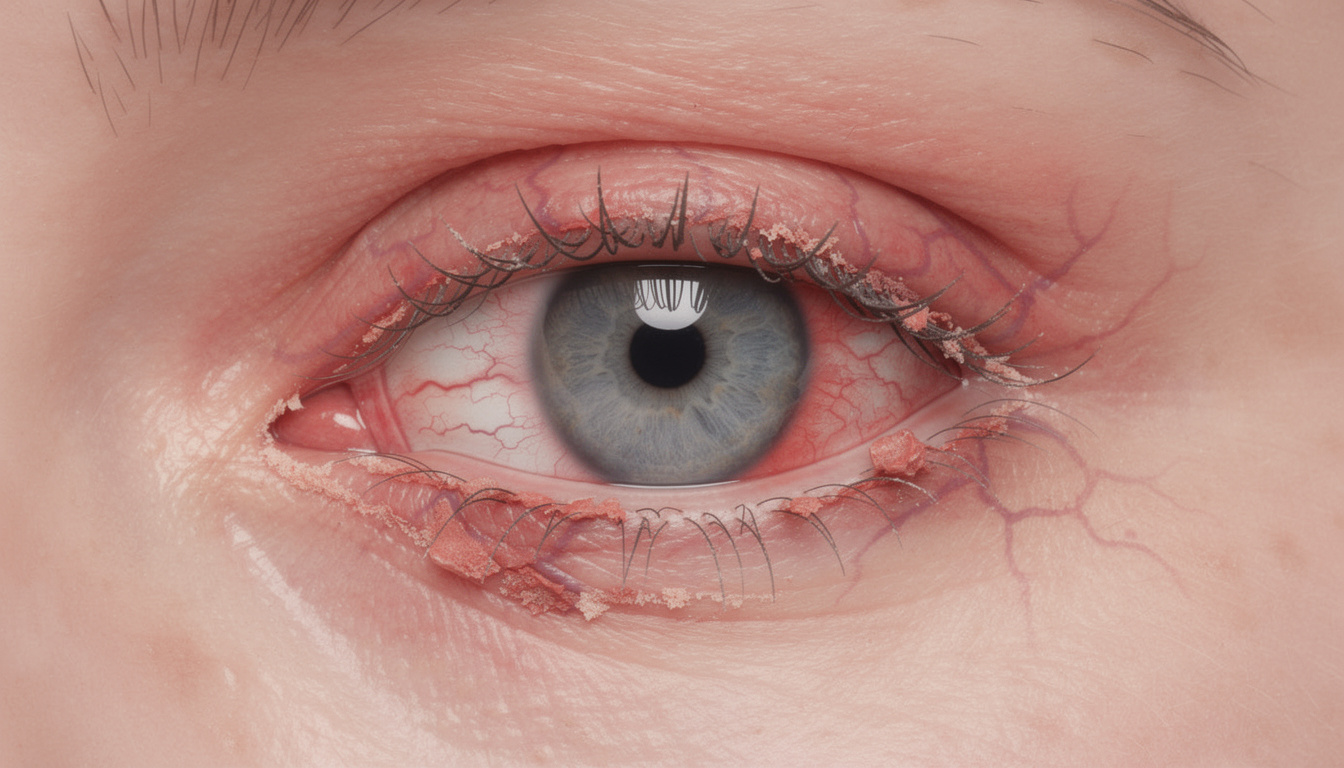
Often associated with cutaneous rosacea, ocular rosacea manifests as persistent inflammation of the eyes, causing several recognizable ocular rosacea signs. It affects about half of patients with facial rosacea and can significantly impair visual comfort and quality of life.
The most common ocular rosacea symptoms include red eyes, ocular itching, burning sensations, as well as a foreign body sensation often described as a grain of sand. These manifestations are accompanied by marked eye inflammation, characteristic of this condition.
Special vigilance is necessary when a rosacea conjunctivitis appears, as it intensifies irritation and can lead to more serious complications, notably at the level of the corneal epithelium.
The Specific Signs of Ocular Rosacea to Identify Daily
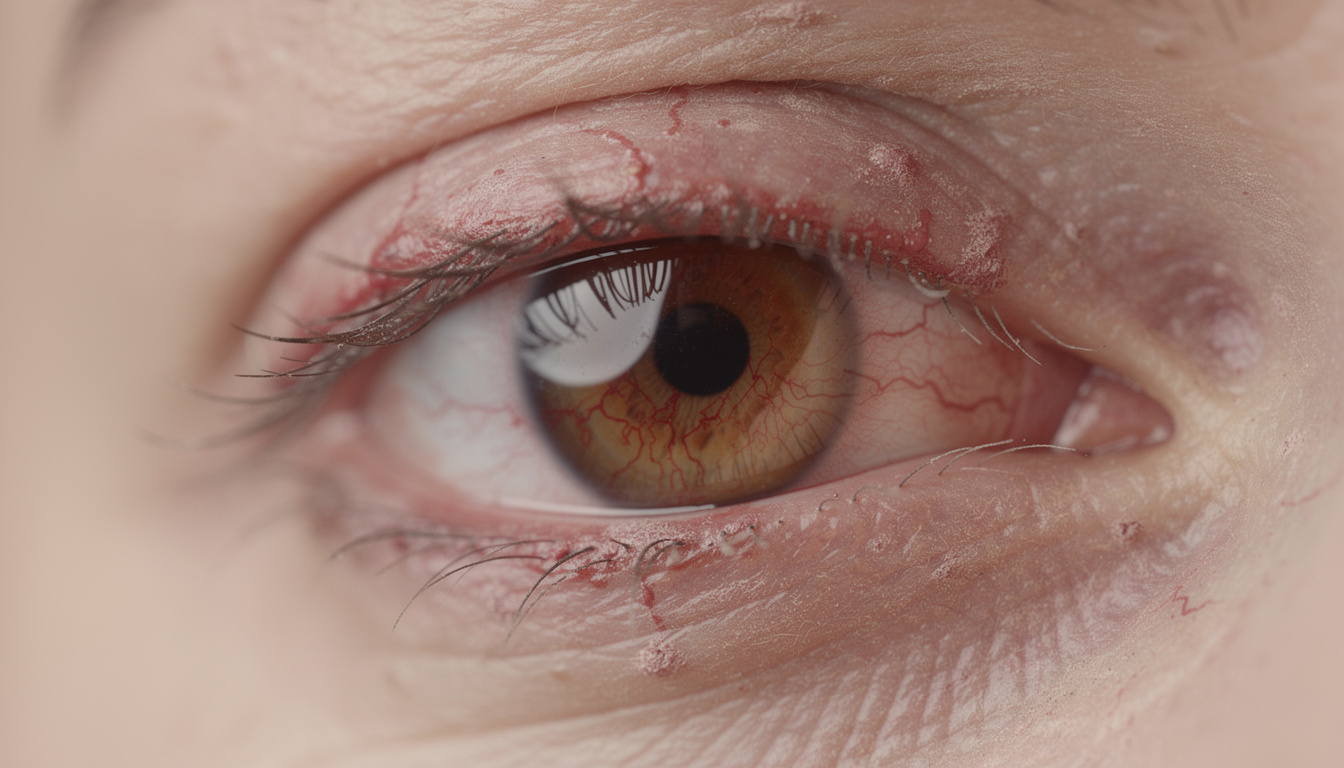
Recognizing the ocular rosacea signs is essential for prompt management. Beyond redness, affected individuals may present with:
- Persistent eye dryness, increasing discomfort
- Inflammation of the eyelids (blepharitis), sometimes accompanied by crusts
- Increased sensitivity to light
- Blurred or fuzzy vision during inflammatory flare-ups
- Recurrent episodes of styes or swollen eyelids
These symptoms should not be neglected, especially if you already have facial rosacea. The presence of such manifestations warrants specialized consultation to establish a precise diagnosis and propose appropriate ocular rosacea treatment.
Ocular Rosacea Causes: A Complex Set of Factors at Play
Understanding ocular rosacea causes helps better apprehend this chronic disease. The condition results from chronic inflammation of ocular tissues, largely related to the same mechanisms that cause cutaneous rosacea.
Several triggering elements are involved:
- Excessive presence of the Demodex mite, which amplifies the local inflammatory response
- Prolonged exposure to sun, wind, or dry air accentuating ocular sensitivity
- Hormonal changes and stress, recognized factors that worsen inflammatory flare-ups
- A genetic predisposition, frequently found in affected patients
These causes explain why people with fair skin phototype, a family history of rosacea, or a lifestyle exposed to certain environmental factors are more likely to develop severe ocular rosacea. Prevention especially involves identifying these triggers to adapt daily life.
The Influence of External and Internal Factors on Ocular Inflammation
In this disease, the inflammatory reaction often causes lesions of the corneal epithelium, compromising the health of the ocular surface. Rosacea conjunctivitis causes frequent redness and constant discomfort, which can become persistent if not treated.
Irritants such as tobacco, alcoholic beverages, certain spicy foods, as well as exposure to UV rays are aggravating factors that should be limited.
Ocular Rosacea Diagnosis and Treatment: Towards Lasting Relief
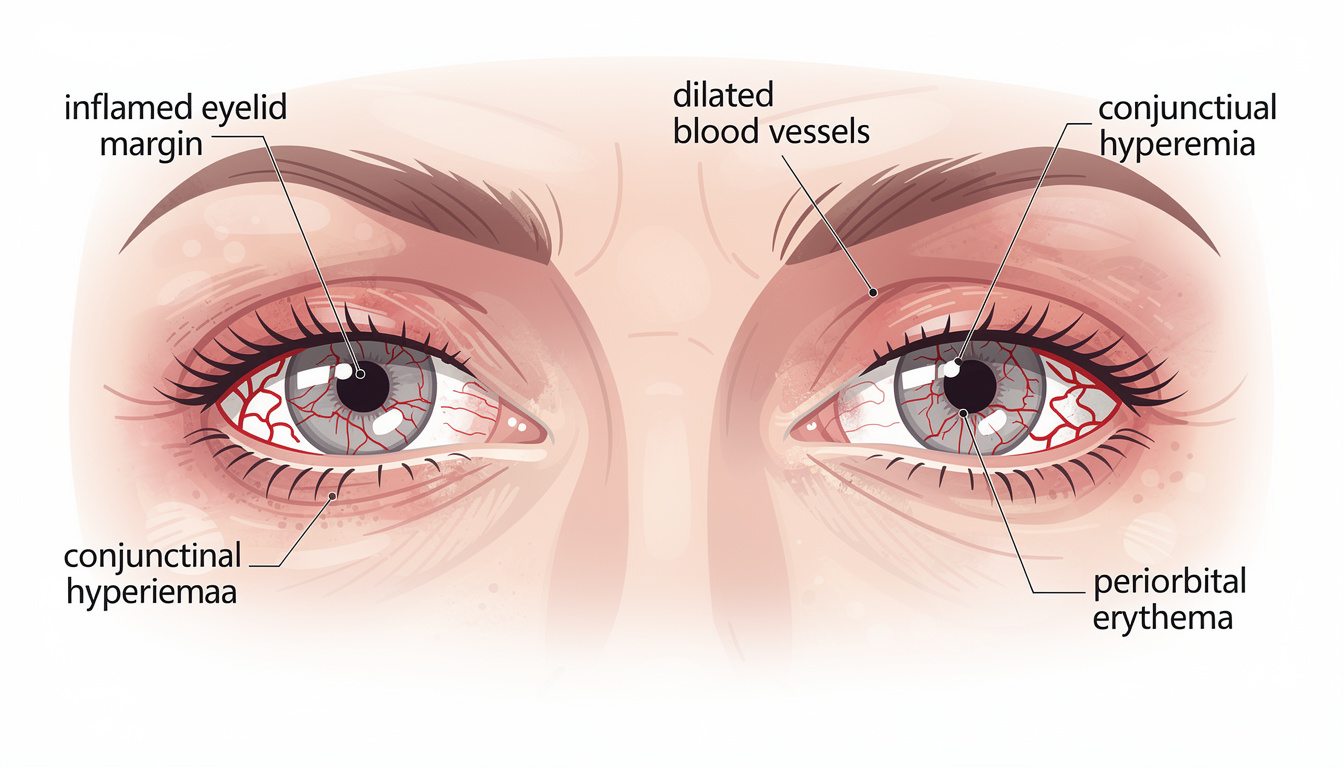
Making a reliable diagnosis of ocular rosacea is based on a thorough examination by a specialized health professional, able to assess the condition of the eyelids, tear film, and cornea. This clinical evaluation may include:
- An examination with a slit lamp to observe signs of eye inflammation
- Specific tear film tests to measure eye dryness
- A check of Meibomian gland function, often involved in the pathology
Ocular rosacea treatment combines different approaches to calm inflammation and restore comfort. It is based on:
- Regular application of warm compresses to unblock sebaceous glands and reduce congestion
- Rigorous eyelid hygiene to limit bacterial proliferation and reduce inflammation
- Artificial tears to soothe dryness and protect the corneal epithelium
- If necessary, topical antibiotics or corticosteroid eye drops to reduce inflammatory flare-ups
- Intense pulsed light (IPL) sessions in refractory cases to improve local microcirculation
This personalized protocol helps prevent exacerbations and limit complications such as keratitis, which can threaten vision.
Practical Advice for Better Living with Ocular Rosacea
Adopting good habits is fundamental to managing the impact of rosacea on the eyes. We recommend:
- Effective sun protection with suitable glasses and daily application of a mineral sunscreen
- Avoiding identified personal triggers, from stress to irritating foods
- Seeking targeted dermatological care for cutaneous rosacea to limit ocular spread
- Regular follow-up with an ophthalmologist to adjust ocular rosacea treatment
It is important to include reliable information and validated advice in this approach, such as those available on Medicial.fr, to learn how to better manage this chronic disease.