All about shingles: varicella-zoster virus and causes of shingles
Shingles is a viral disease that often remains unknown despite its frequency: nearly 300,000 cases are reported each year in France. This infection results from the reactivation of the varicella-zoster virus, a member of the herpesvirus family, previously contracted in the form of chickenpox. The virus, after a first infection during childhood, remains latent in the nerve ganglia at the level of the nerve roots. Years later, due to a temporary or lasting decrease in immune defenses, this virus can awaken, causing shingles.
This awakening of the varicella-zoster virus causes a painful inflammation of the affected nerves, with viral multiplication that manifests as a specific skin rash on the innervated area. The chest is the most affected area, followed by the face and neck. Learn to recognize the clinical signs of shingles to act quickly.

How does the skin rash manifest in shingles?
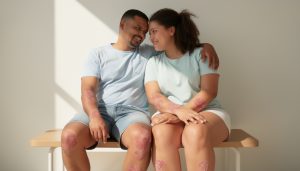
The first symptoms of shingles are often tingling, burning, or localized neuropathic pain, often intense, called neuralgia. These sensations precede the appearance of a characteristic rash on one side of the body. The rash starts as red spots then evolves into papules before forming vesicles filled with clear fluid. These vesicles dry out and form crusts in a few days, sometimes leaving scars.
- When the chest is affected, it is called intercostal shingles.
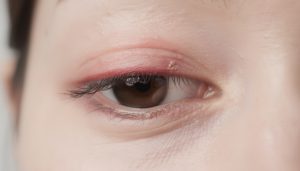
- Ophthalmic shingles affects the face and can reach the eye, requiring medical emergency.
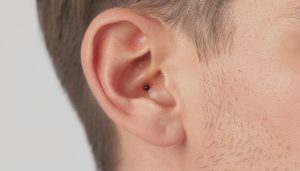
- Auricular shingles affects the ear and may be accompanied by facial paralysis.
- The lower abdomen can also be affected, with urinary complications in some cases.
This specificity in its location helps differentiate shingles from another skin disease like chickenpox. To learn more about skin rashes on the legs, their causes and signs, you can consult a dedicated article here.
Understanding the causes of shingles: reactivation for what reasons?
The cause of shingles is therefore a reactivation of the varicella-zoster virus, dormant since chickenpox. Several factors can trigger this viral awakening:
- Immune weakening: strictly related to age (more frequent after 50 years) or to a pathology (cancer, HIV, chronic diseases).
- Intense stress and chronic fatigue, which disrupt immune stability.
- Immunosuppressive treatments or certain diseases reducing the body’s defenses.
The virus then progresses in the nerve ganglion before invading the skin or mucous membranes, producing visible lesions. This dynamic explains the often severe pain associated with shingles, which remains the main clinical complaint.

Clinical signs and possible complications of shingles
Besides the painful skin rash, different symptoms can be associated with an infection by herpes zoster.
- Persistent neuropathic pain: it can last several weeks, even months, beyond skin healing. This phenomenon called postherpetic neuralgia mostly affects people over 60.
- General symptoms: fever, intense fatigue, headaches, swollen lymph nodes.
- Severe complications: such as facial paralysis in auricular shingles, or serious eye involvement requiring urgent care.
Shingles diagnosis is mainly based on clinical examination. In some complex cases, serology or a PCR test may be performed to confirm the presence of the virus. Rapid diagnosis is key to limiting sequelae and guiding treatment.
To better understand the risks of contamination and the measures to take, consult our comprehensive guide on shingles contagion and prevention.
Taking care of yourself with shingles: prevention and treatments
Faced with pain and the spread of the varicella-zoster virus, appropriate management is essential. Antiviral drugs prescribed early significantly reduce the duration and severity of symptoms. Painkillers help combat the sometimes intense neuropathic pain that accompanies the disease.
Drug treatment is most effective if started within 72 hours of the first signs. It is also crucial to avoid touching or scratching the vesicles to prevent superinfection and scarring.
- Antiviral treatments such as aciclovir, valaciclovir, or famciclovir slow viral multiplication.
- The use of corticosteroids or certain specific painkillers is possible in case of refractory pain.
- Local antiseptic care and soothing compresses relieve the skin rash.
- Vaccination remains the major preventive tool, especially recommended from 65 years of age or in case of immunosuppression.
Adopting a healthy lifestyle and managing stress are valuable allies to naturally strengthen your immune system and minimize the risks of viral reactivation. More tips on skin care in case of skin rash are available in this article.