Shingles: understanding contagion and its mode of transmission
Shingles, also called herpes zoster, is a painful skin rash caused by the reactivation of the varicella-zoster virus (VZV). This virus is initially responsible for chickenpox, which usually occurs during childhood. Once chickenpox has passed, the virus does not leave the body but remains latent in certain nerve ganglia located near the spinal cord.
Years later, particularly after age 50 or during a decrease in immunity, this virus can reactivate, leading to the appearance of shingles. This reactivation manifests with characteristic symptoms: localized pain, often described as neuropathic pain, followed by a rash of small painful vesicles on a band of skin called a dermatome.

How is the varicella-zoster virus transmitted?
Shingles itself is not considered contagious: it cannot be transmitted from one person to another as shingles. However, the fluid contained in the vesicles contains the active virus which can, in a person who has never had chickenpox nor been vaccinated, cause chickenpox instead.
That is why during the acute phase, it is crucial to avoid close contact with vulnerable individuals such as pregnant women, infants, and immunocompromised persons. These precautions are fundamental to prevent transmission and limit the risk of outbreaks.
Shingles symptoms: recognizing the first signs to act quickly
Even before the appearance of vesicles, localized pain, tingling, or burning sensations on one side of the body or face can alert. These unpleasant sensations often occur one to three days before the start of the skin rash.
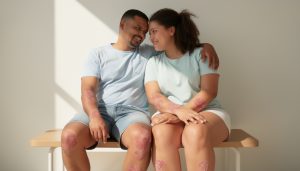
The affected skin area then develops a characteristic cluster of vesicles filled with clear fluid. These vesicles usually last between 3 and 5 days before drying out and forming crusts. The pain associated with these lesions can be intense and sometimes evolves into chronic neuropathic pain called postherpetic neuralgia.
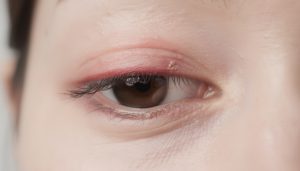
It is important to note that severe forms such as ophthalmic shingles can threaten vision, requiring rapid consultation with a specialist.
Factors favoring the reactivation of the varicella-zoster virus
The onset of shingles is mainly linked to a decrease in immunity. Natural aging, diseases such as AIDS, or the use of immunosuppressive drugs (for example after a transplant) are classic causes. Even intense stress or chronic fatigue can contribute to this reactivation.
However, it is essential to remember that in most cases, shingles occurs without an explicit cause and does not necessarily indicate a serious underlying disease.
What are effective treatments and good practices in case of shingles?
Treatment is based on antivirals ideally administered within 72 hours following the appearance of symptoms. Medications such as valacyclovir or famciclovir help shorten the duration of lesions and reduce pain. When shingles affects sensitive areas such as the eye, specialized medical follow-up is essential.
Pain management may also require the use of analgesics, ranging from paracetamol to opioids in more severe cases. Gentle local care and meticulous cleansing of lesions reduce the risk of bacterial superinfection and scarring.
In case of persistent or atypical skin rash, medical consultation is recommended to avoid any complications.
Good habits to adopt to avoid contagion and worsening
- Do not scratch or rub the vesicles to avoid superinfections.
- Wash hands regularly and gently clean the affected area.
- Avoid close contact with non-immunized persons during the vesicular phase.
- Use cold compresses to soothe itching.
- Do not share towels or clothes during the active phase.
Shingles prevention: vaccination and immune system strengthening
In recent years, vaccination against shingles has represented a major breakthrough in prevention, particularly recommended for those over 50. This recombinant vaccine, administered in two doses, significantly reduces the risk of shingles onset and its complications, notably postherpetic neuralgia.
It is intended both for people who have already had chickenpox and those who have already suffered from shingles. For immunocompromised patients or those with other risk factors, vaccination is a key step in medical follow-up.
Beyond vaccination, adopting a healthy lifestyle — balanced diet, regular exercise, and stress management — helps strengthen immune defenses and reduce the frequency of viral reactivations.
For more information about skin conditions and their signs, you can consult our detailed article on leg rash, which will help you better identify symptoms and causes of various skin infections.