Understanding Cold Urticaria: A Specific Hypersensitivity to Cold
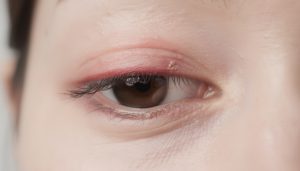
Cold urticaria is a rare form of physical urticaria triggered by exposure to low temperatures. This allergic skin reaction occurs when the skin comes into contact with cold air, cold rain, snow, or icy objects. Characteristic symptoms include red welts and swelling accompanied by intense itching that can appear within minutes, primarily on the face, hands, or neck. Cold urticaria mainly affects young adults, with a higher prevalence in women. It is a rare condition, accounting for approximately 2 to 3% of chronic urticaria cases. The symptoms usually disappear in less than two hours after warming. This cold hypersensitivity is often idiopathic, meaning it has no identifiable cause, although it can sometimes be associated with viral infections or certain medications. Understanding its mechanisms is essential for implementing effective hives prevention and appropriate treatment. Discover the causes, symptoms, and essential advice for better understanding and managing cold urticaria, a skin reaction linked to low temperatures. How does a cold allergic skin reaction manifest? The first signs of cold urticaria are red, swollen, intensely itchy welts. These hives symptoms do not resemble simple pimples but rather urticarial papules, sometimes accompanied by slight swelling. These lesions appear quickly in areas where the skin is directly exposed to the cold.
- Redness and localized swelling on exposed areas
- Intense itching, which can also cause burning sensations
- The welts can disappear within a few hours, without leaving a scar.
In some cases, hives can be generalized and accompanied by systemic symptoms such as headaches or difficulty breathing – signs that should be taken very seriously. In the event of anaphylactic shock, with difficulty breathing or significant swelling, it is imperative to call emergency services immediately. This risk, although rare, underscores the need for early and accurate diagnosis of hives. What are the triggers and the mechanism behind cold urticaria? The origin of cold urticaria lies in a cascade of immunological events. When the skin is exposed to cold, mast cells secrete a large amount of histamine, a substance responsible for the dilation of blood vessels and the appearance of skin damage. Cold acts as a mechanical stimulus that triggers this histamine release. This response then triggers vasodilation, which causes the dreaded swelling and redness. The reaction often begins within minutes of exposure to cold. The intensity of the reaction can vary from person to person: the faster it occurs, the greater the risk of a severe form.

History of viral infections such as HIV, hepatitis B, or mononucleosis
Use of certain medications (penicillins, antifungals, oral contraceptives) Hereditary factors, although rare In case of unusual symptoms, a consultation with a specialist is recommended to explore these possibilities.
- Discover the causes, signs, and helpful tips to understand and better manage cold urticaria, a skin reaction caused by exposure to cold.
- Diagnosing cold urticaria: a simple and essential test
- Confirming the diagnosis relies on a simple procedure called the
- ice cube test.
This involves applying an ice cube wrapped in a plastic bag to the skin for a few minutes, usually on the forearm.If a hives-like rash appears shortly after contact, the test is positive. The speed and intensity of the reaction indicate the severity of the urticaria. Additional tests, such as immersing the forearm in cold water, can be performed under medical supervision.
Dermatological or allergological follow-up is highly recommended.
This precise evaluation allows for tailoring the urticaria treatment and implementing effective
- urticaria prevention measures
- on a daily basis. Find more information on the diagnosis and management of cutaneous urticaria on Medicial.
- How to manage cold urticaria? Prevention Strategies and Effective Treatments
- Managing cold urticaria begins with rigorous urticaria prevention aimed at avoiding all direct contact with cold:
Wear appropriate clothing and gloves to protect extremities
- Avoid cold baths or showers, as well as consuming iced food and drinks
- Inform medical professionals before any surgical procedure where exposure to cold may be significant
- Avoid winter sports or be vigilant during outdoor activities
In case of an outbreak, drug treatment is primarily based on the use of antihistamines, prescribed according to the severity and frequency of the symptoms:

Doses adjusted by the dermatologist or allergist
In severe cases, particularly with a risk of anaphylactic shock, an epinephrine auto-injector should always be available Hospital protocols for gradual cold desensitization may be offered.Alternative therapies also offer a valuable complement for temporarily relieving symptoms, with suitable homeopathic treatments. To further manage the skin symptoms associated with itching, several avenues can be explored with professionals.
- In short, a good understanding of the signs and causes promotes a more peaceful life with this often benign condition. Pay attention to your skin and consult a professional if you have any doubts for personalized support.
- Learn more about allergic skin reactions and their treatment.
- Hives and rashes: how to differentiate and act quickly.